“Old age starts with the first fall and death comes with the second.”1
Syncopal events and falls are a major healthcare and cost burden for the National Health Service (NHS). Each year between 35% of community living adults over 65 years and 45% of adults over 80 years have such an event.2 This common medical problem accounts for up to 6% of emergency medical admissions. We have previously shown the potential impact that a dedicated syncope and falls facility for older adults can have enabling an attributable diagnosis and on emergency bed usage.3,4
In this issue Ali et al. (see pages 22–8) further emphasise the need and benefits for the development of rapid access blackout clinics. They describe a comprehensive investigation pathway and highlight the importance of making a correct diagnosis and the implications of an incorrect one. It is still the case that a diagnosis is elusive in up to 40% of cases.4,5
They point out that even in those who do receive a diagnosis it may be incorrect. This is particularly so within the older age group. In relation to the diagnosis of ‘epilepsy’ the authors highlight that up to 100,000 people in the UK live with the moniker but without the condition. This has significant implications for public health including utilisation of inappropriate and expensive therapy.
Prognostic implications
There are profound prognostic implications for those suffering from syncope – Soteriades et al., in their study, evaluated the incidence and prognosis of syncope in participants in the Framingham Heart Study.5 They found the most frequently identified causes were vasovagal syncope, cardiac syncope and orthostatic hypotension: 36% still had no demonstrable cause. There was no increased risk of cardiovascular morbidity or mortality associated with vasovagal syncope, but persons in this study who fell into the diagnostic categories of cardiac syncope or syncope of unknown cause, were at increased risk of death from any cause.
While respecting that blackouts can occur in all age categories, and accepting the clear bimodal age distribution, this area is particularly challenging in the elderly. Epidemiological data demonstrate an increasing prevalence of blackouts and falls with age. This, coupled with co-morbidities, dependency and dementia, as well as the observation that the incidence of injuries sustained in the fall increases dramatically with age,6 make this a priority area in healthcare.
A public health priority
This public health priority has been captured by the Department of Health in the UK and incorporated into Standard 6 of the National Service Framework for Older People.7 The development of rapid access blackout clinics is concordant with this standard.
The authors highlight and concur with the diagnostic approach suggested by the European Society of Cardiology and it is heartening to see that the fundamentals of clinical medicine – a good history and examination allied to judicious use of simple tests – remain the cornerstone of investigation.
A cautionary note needs to be struck when one considers patients with dementia. These are a particularly frail group with an annual fall rate of 40–60%.8 In addition, retrograde amnesia for loss of consciousness results in confusion between syncope and falls.9 This adds to the complexity of the evaluation process and recourse to a strong, interested and focused multi-disciplinary team is invaluable in relation to optimising care. This multi-disciplinary team should be led by a cardiologist, neurologist or geriatrician, but most importantly by a motivated physician with a particular interest and specific training in the area.
The rapid access blackout clinic is a prudent, sensible and reasonable response to the increasing burden posed by loss of consciousness. It should certainly add value, diagnostic efficiency, improved patient outcome and cost-effectiveness to the patient journey.
Conflict of interest
None declared.
Editors’ note
The article on rapid access blackout clinics by Ali et al. can be found on pages 22–8 of this issue.
References
Garcia Marquez G. Love in the time of cholera. Penguin Books, 1994.
O’Shea D. Setting up a falls and syncope service for the elderly. Clin Geriatr Med 2002;18:269–78.
Kenny RA, O’Shea D, Walker HF. Impact of a dedicated syncope and falls facility for older adults on emergency beds. Age Ageing 2002;31:272–5.
Allcock LM, O’Shea D. Diagnostic yield and development of a neurocardiovascular investigation unit for older adults in a district hospital. J Gerontol A Biol Sci Med Sci 2000;55:M458–M462.
Soteriades ES, Evans JC, Larson MG et al. Incidence and prognosis of syncope. N Engl J Med 2002;12:878–85.
Kannus P, Parkkari J, Koskinnen S et al. Fall induced injuries and deaths amongst older adults. JAMA 1999;281:1895–9.
Department of Health. National service framework for older people. London: DoH, 2001.
Morris JC, Rubin EH, Morris EJ, Mandel SA. Senile dementia of the Alzheimer’s type, an important risk factor for serious falls. J Gerontol 1987;42: 412–17.
McIntosh SJ, Lawson J, Kenny RA. Clinical characteristics of vasodepressor, cardioinhibitory and mixed carotid sinus syndrome in the elderly. Am J Med 1993;95:203–08.
General practitioners (GPs) have become used to asking their patients fairly detailed questions about the traditional risk factors, such as smoking habits, and measuring blood pressure, cholesterol and glucose to allow cardiovascular risk to be calculated. However, few would dream of including an oral examination within an assessment of global cardiovascular risk. Oral health has been viewed as the domain of dentists and has not troubled physicians when considering the prevention and management of cardiovascular disease.
However, this may be set to change. There is a growing tide of interest, swelled by a burgeoning literature, in the possible links between periodontal infection and a number of chronic diseases and conditions – including cardiovascular diseases and certain cancers.1-7
Review of the contemporary literature reveals evidence from large epidemiological datasets and meta-analyses of small-scale longitudinal studies and periodontal intervention studies, which shows that after adjustment for variables known to increase cardiovascular risk, there remains a significant increase in both incidence and prevalence of coronary heart disease (CHD) in subjects with periodontal disease.1,8 This has led to calls for robust and rigorous study of the association between periodontal disease and cardiovascular disease in order to establish, or refute, causation, and this is reflected in a consensus view on the implications for current clinical practice.8
Old ideas to new ideas
That severe periodontal infection could have systemic health implications is not a new concept.9 For centuries the mouth has been recognised as an important site for infection and an indicator of a person’s general health status. In terms of pathophysiological rationale, there is now contemporary evidence to suggest that people with severe periodontal infections have increased concentrations of circulating inflammatory markers such as C-reactive protein,10,11 adverse changes in blood pressure and serum cholesterol,11 and it has been suggested that periodontal pathogens could be linked with carotid intima-media thickening.12,13
Is the relationship causal?
What the current evidence does not allow, however, is certainty of a causal relationship between periodontal disease and cardiovascular disease.
Large-scale observational studies can provide some insights into the epidemiological importance of risk factors. The Atherosclerosis Risk in Communities (ARIC) study for example, has reported that the host response to oral bacterial infection has bearing on systemic atherothrombotic events, and that systemic exposure to more than one oral pathogen involved in periodontitis is related to an increased risk for CHD.11,14 However, substudies within observational datasets are fraught with methodological difficulties and influenced by confounding risk factors that are hard to control for, such as poverty, smoking, diet and level of education.
Is periodontal disease a potentially modifiable cardiovascular risk factor?
There is some suggestion that the treatment of periodontal disease might reduce cardiovascular risk, but little current evidence to support that this might reduce cardiovascular events.15,16
The way forward
The evidence is tantalising in suggesting that an oral infection might confer systemic cardiovascular risk – not least, as periodontal disease is very much a treatable and manageable condition. An estimated 8–10% of the population may have severe periodontal disease, yet the condition is amenable to dental treatment and potentially avoidable through good oral hygiene.
Specifically designed prospective studies are needed to clarify whether periodontal disease and cardiovascular disease simply share risk factors or whether there is a true causal relationship. These studies will need to control for confounding factors such as age, gender, smoking, family history and diabetes mellitus. Ultimately, the goal of such research will be to establish the population-attributable risk of periodontal disease with respect to cardiovascular disease, which would allow it to be used in calculating risk.
If the evidence is clear that periodontal disease is a cardiovascular risk factor, prospective intervention studies will need to assess whether intervention to prevent periodontitis in the general population reduces the risk of cardiovascular disease. Additionally, prospective studies will be needed to prove that treatment of established periodontal disease has demonstrable effects on accepted, cardiovascular disease end points such as death, fatal and non-fatal myocardial infarction and other coronary or cerebrovascular events. Research into whether treatment of periodontal disease has a beneficial effect on surrogate end points such as glycosylated haemoglobin (HbA1c) and lipid profile may be helpful in the time before the large end point studies report.
Although the research task may seem challenging, robust evidence could see oral health assume a place within the list of lifestyle-related and modifiable risk factors that contribute to cardiovascular disease.
Implications for current practice
So are there implications for current medical practice? It seems reasonable to suggest that good oral health may contribute to good general health, and in turn, that poor oral health could be viewed as a marker of an unhealthy lifestyle. Physicians should encourage any patients with poor oral health to consult with a dentist and there may be a case for dentists to consider referrals to GPs. Cardiovascular disease is born of multiple chronic risk factors that interact and compound to affect an individual’s risk for clinical events. When we assess a patient’s global cardiovascular risk, we routinely consider lifestyle factors together with an evaluation of well-recognised, potentially modifiable physiological and biochemical risk factors.
Our management involves attempting to control hypertension, dyslipidaemia and poor glycaemic control. Pharmacotherapies do much to reduce cardiovascular risk and the role of successful lifestyle interventions – helping patients to stop smoking, eat healthily, exercise more and avoid becoming overweight – is proven. To add oral health status to the list of patient lifestyle considerations would not add greatly to physician workload and could be seen as a natural extension of healthy lifestyle messages designed to help reduce the burden of cardiovascular disease.
Conflict of interest
MD received an honorarium by Colgate-Palmolive for work on the consensus document.
References
Bahekar AA, Singh S, Saha S et al. The prevalence and incidence of coronary heart disease is significantly increased in periodontitis: a meta-analysis. Am Heart J 2007;154: 830–7.
Michaud DS, Liu Y, Meyer M, Giovannucci E, Joshipura K. Periodontal disease, tooth loss, and cancer risk in male health professionals: a prospective cohort study. Lancet Oncol 2008;9: 550–8.
Grau AJ, Becher H, Ziegler CM et al. Periodontal disease as a risk factor for ischemic stroke. Stroke 2004;35:496–501.
Khader YS, Dauod AS, El-Qaderi SS et al. Periodontal status of diabetics compared with nondiabetics: a meta-analysis. J Diabetes Complications 2006;20:59–68.
Saremi A, Nelson RG, Tulloch-Reid M et al. Periodontal disease and mortality in type 2 diabetes. Diabetes Care 2005;28:27–32.
Shultis WA, Weil EJ, Looker HC et al. Effect of periodontitis on overt nephropathy and end-stage renal disease in type 2 diabetes. Diabetes Care 2007;30:306–11.
Bobetsis YA, Barros SP, Offenbacher S. Exploring the relationship between periodontal disease and pregnancy complications. J Am Dent Assoc 2006;137(10S):7s–13s.
Williams RC, Barnett AH, Claffey N et al. The potential impact of periodontal disease on general health: a consensus view. Curr Med Res Opinion 2008;24:1635–43.
Hunter W. Oral sepsis as a cause of disease. BMJ 1900;1:215–16.
D’Aiuto F, Parkar M, Nibali L et al. Periodontal infections cause changes in traditional and novel cardiovascular risk factors. Am Heart J 2006;151:977–84.
Slade DG, Ghezi EM, Heiss G et al. Relationship between periodontal disease and C-reactive protein among adults in the atherosclerosis risk in communities study. Arch Intern Med2003;163:1172–9.
Desvarieux M, Demmer RT, Rundek T et al. Relationship between periodontal disease, tooth loss, and carotid artery plaque: the oral infections and vascular disease epidemiology study (INVEST). Stroke 2003;34:2120–5.
Engebretson SB, Lamster IB, Elkind MSV et al. Radiographic measures of chronic periodontitis and carotid artery plaque. Stroke 2005;36:561–6.
Beck JD, Eke P, Heiss G et al. Periodontal disease and coronary heart disease. A reappraisal of the exposure. Circulation 2005;112:19–24.
Ioannidou E, Malekzadeh T, Dongari-Bagtzoglou A. Effect of periodontal treatment on serum c-reactive protein levels: a systematic review and meta-analysis. J Periodontol 2006;77:1635–42.
Offenbacher S, Beck JD. A perspective on the potential cardioprotective benefits of periodontal therapy. Am Heart J 2005;149: 950–4.
The complete collection of these
and other articles is now available
in a book ‘The Oblique View’.
Further details can be obtained
from [email protected] or www.amazon.co.uk
We continue our series in which Consultant Interventionist Dr Michael Norell takes a sideways look at life in the cath lab… and beyond. In this column, he considers electronic communication.
The era of electronic communication has spawned a host of previously unimagined problems with regard to the written word. A recent news item revealed that Google has come up with a system that avoids an email being sent if the writer might, shall we say, be tired and emotional (a euphemism often used in the satirical – and iconic – periodical Private Eye, in place of the term ‘sloshed’). Before you are allowed to ‘send’ you have to solve a number of mathematical problems and thereby demonstrate that you are in reasonable possession of your faculties. Now there’s an idea …
In what other ways could the art of e-letter writing be even further enhanced? How might we fine tune our software in order to improve our missives as they fly about the ether? And, in the ever-threatening climate of computer viruses and identity theft, how might we better protect ourselves from others … and others from ourselves?
Suggested areas for improvement
In order to give William Gates esq. some help, I have listed below some suggestions that could be easily introduced into our network in the hope that value would be added to our e-writing experience. (For all I know some, many, or all of these modifications might be available already from your local family computer store, but … what the heck. I was stuck for copy with this issue and the BJC was hassling me over the deadline.) See what you think, but bear in mind that these top tips all come under author’s copyright, intellectual property legislation and patent law.
1. When you receive an email and press ‘reply’, the system recognises the manner in which the sender signed off, e.g. “Yours sincerely, Emily Chuckleberry (Ms)” or, “All the best, Chuck”, and begins your response accordingly: “Dear Ms Chuckleberry” or, “Hi, Chuck”.
Get the idea?
2. On returning from a week’s annual leave you come in early on a Monday morning to trawl your mail before the official day begins. As you work through the list in the order in which mail was received, you are particularly taken with one to which you are urged to respond immediately. Having accomplished this task and pressed ‘send’ with a satisfying sense of efficiency, you are then deflated when, a few mails further up the list (and therefore received subsequently), you see a supplementary message from the same source indicating that any response is unnecessary.
My system would alert you with the phrase, “Before responding, see later mail from same sender”. You hit ‘return’ and see additional information that might modify, if not nullify, your response.
Impressed?
3. If you wish to insert an ellipsis (…) the computer will not let you type more than three dots in a row. Even if you choose to override spell-check and request to ‘ignore all’ after your ludicrous construction of incessant full stops has been highlighted, it will steadfastly resist. After a series of increasingly severe warnings, it will shut down until you see common sense, at which point it will insist that you complete a short grammar test before you are ever allowed to press ‘send’ again.
You can envisage a similar approach being taken with inappropriate use of the apostrophe, let alone the semicolon, but I thought it would be preferable to start with a straightforward example, which as you can see, is a bit of a bete noir of mine.
4. While I understand the reasoning behind setting up a ‘firewall’, the security in place in our own institution might still need some tweaking. Occasionally I am notified that incoming jottings from my more ‘jovial’ correspondents have been barred, and that there is a process of appeal I could pursue if I am minded to (I am usually not). However, I am more puzzled as to why communication from more upstanding sources, such as ‘theheart.org’ for heaven’s sake, is siphoned off to be scrutinised and, presumably, verbally cleansed in the literal equivalent of Guantanamo Bay.
5. On the same note, and acknowledging that it is our Government’s declared intention to monitor and log the content of all electronic communication, I can think of a further software modification. When we use certain, shall we say, ‘sensitive’ words or phrases (I won’t mention them here for obvious reasons), a message box springs up and advises “If you use this letter sequence, be aware that you may be visited by Special Branch at four in the morning”.
Pause for thought
The following suggestions all relate to a major downside of our modern era, so pay attention.
Responding in writing to letters that cause us to become enraged, used to incorporate what might be regarded as the communication equivalent of the atrioventricular node. An automatic brake was put into the system to avoid rapid conduction and protect the ventricle from overstimulation. We would dictate our infuriated reply but then have to wait for it to be typed, and this pause would give us the opportunity to ponder as to the wisdom of actually posting our vitriol.
This vital delay in the system no longer applies and the result is that all too soon we have sent something that we will live to regret. My system protects us, and the recipients, from such hasty transmissions.
6. First, the audio component of our desktop detects if the email we have opened is producing a higher than normal volume in terms of our welcoming verbal comment (as in, “What the h*** is he on about? He’s got a b****y nerve; I’ll show him!”).
7. The time at which the provocative mail is opened is noted, and the computer does not allow you to send a response without administering a preset time delay to run. (Admit it, you’re impressed. But there are even more sophisticated algorithms yet to come into play).
8. The software can detect the phrasing and tone of your response and, as you vent your spleen, will display pop-ups with cautious advice like, “Are you sure you want to use that term?” or, “Suggest you check the anatomical possibility of actually doing that”.
In addition, when you press ‘reply to all’, it will ask you whether you are absolutely sure that you want your response to be seen by all the members of the British Cardiovascular Society (who were rather stupidly copied into the original correspondence you received). A sobering message will be displayed: “Two wrongs don’t make a right”.
9. Let us assume that, as the red mist descends, you plough on with only one goal in mind. As you bang away, touch sensitive keys translate the pressure applied to gradually emphasise the appearance of words on the screen. With slightly increased force, it converts to italics and a little more effort produces ‘bold’ as well. Finally, when you are hammering as hard as you can with blood oozing from your nail beds,it also underlines, thereby leaving no doubt in the mind of our thus far innocent recipient that you are distinctly unimpressed with his comments.
10. In severe cases these measures may prove insufficient in distracting you from your single-minded crusade. The modifications described above can be overridden or circumvented, but there is one programme I have devised that is foolproof: the computer screen is not only touch sensitive (just in case, as a result of unrestrained anger, you bash it), but is also chemically coated so as to detect the presence of … saliva. As you type and yell at the top of your voice, spluttering as you do so, the deposit of spittle on the screen and keyboard is detected and as a result the computer shuts down.
11. Finally, a piece of advice: instead of touching ‘send’, hit ‘save’ instead. The software then will not allow you to transmit until the following morning, or next working day, thereby permitting you to ‘sleep on it’. (The computer will also eject a 5 mg tablet of diazepam at this point – an updating of its ‘snooze’ function). When you next open the document in the cold light of day, an ingenious device comes in to play: when you press ‘send’ the computer is programmed to interpret this instruction instead as ‘delete’. Think yourself lucky.
A new report Focus on heart failure, by the NHS Institute for Innovation and Improvement, aims to provide primary and secondary care services with guidance on how to achieve high quality care for all heart failure patients. The report is one of a series which highlights best practice within key services in the NHS in order to improve delivery.
Heart failure currently affects one in 1,000 people, and is rising by at least 10% each year. When combined with other heart diseases, the annual cost to the NHS of supporting these patients is £625 million.
The Scottish Heart and Arterial Risk Prevention Group (SHARP) was launched in 1988 with the aim of helping to reduce and prevent premature morbidity and mortality from cardiovascular disease (CVD) in Scotland. The programme for the 20th anniversary meeting – held on the 20th–21st November 2008 in the Hilton Hotel Dunkeld – examined the likely future direction for cardiovascular disease prevention and management but also reflected on achievements over the past 20 years. Dr Alan Begg, Chairman of SHARP reports.
Heart disease in Scotland
The age standardised mortality rate for the under 75s for coronary heart disease (CHD) continues to fall in Scotland from a rate of 124.6 per 100,000 population in 1995 to 61.3 in 2007.1 The 30-day survival for acute myocardial infarction (MI), however, has remained constant over the last few years at 85%. Evidence of major differences in service provision, activity and approach between the devolved nations has been previously highlighted.2 As the Department of Health Vascular Screening Programme for cardiovascular disease (CVD) and diabetes gathers momentum in the years ahead, this difference is likely to become more apparent. Deprivation as measured by the Scottish Index of Multiple Deprivation is associated with higher rates of CHD mortality. In the 15% most deprived areas in Scotland, the under 75s mortality rate from CHD (standardised by age) increased slightly from 110.2 in 2006 to 112.4 per 100,000 in 2007. This rate had previously fallen year on year from 2000 to 2006, with the prevalence rate in men aged 45–64 in East Glasgow at 9.1% being almost twice that of the rate in Aberdeenshire which is 4.7%. For women aged 45–64 the prevalence rate in north Glasgow is 4.4% compared with the equivalent rate of 1.5% in Shetland.1
Speakers at the conference were asked to highlight some important aspects and pressing developments that are required in the forthcoming years.
Acute coronary syndrome
Managing patients with acute coronary syndrome by a specialist cardiology service with access to continuous cardiac rhythm monitoring is now accepted as the norm, Dr John Maclean (GP, National Stadium Sports Medicine Centre, Glasgow) told the conference. There is evidence that patients managed in a specialist cardiology service are more likely to receive evidence-based therapy, compared to general physician care with prompt defibrillation and treatment of arrhythmias. On discharge from a specialist unit, patients are much more likely to be taking appropriate effective preventative drugs.
He felt the move to the use of primary percutaneous coronary intervention (PCI) for acute ST-elevation myocardial infarction (STEMI) will continue since it shows a mortality/reinfarction benefit and a reduced subsequent need for coronary artery bypass grafting. The use of intracoronary stent implantation at the time of primary PCI to reduce reinfarction and improve prolonged revascularisation needs to be encouraged and the use of drug-eluting stents, when clinically relevant, should be considered. There is also a need to ensure easy access to rescue PCI where there is apparent failure of reperfusion with thrombolysis.
Stroke care
Turning to stroke, Professor Peter Langhorne (Professor of Stroke Care, Royal Infirmary, Glasgow) said its rapid recognition and diagnosis was essential to ensure early acute treatment and secondary prevention, including the increased use of early recognition scores by those seeing patients at initial presentation. Early recognition and treatment offers the promise of preventing recurrent stroke or of limiting the extent of stroke damage. One challenge is in selecting patients in the acute phase who will benefit from the use of recombinant tissue plasminogen activator (rtPA) and in how to develop the service to encompass expanding applicability.
Managing patients in stroke units manned by a co-ordinated multidisciplinary team is now well established, he said, with the majority of patients being able to access such services in a timely manner. Rehabilitation needs to be a continuum with facilitation of the process from hospital to home, which requires all components of the stroke service to be fully integrated to ensure collaborative working between all health professional groups including social care.
Familial hypercholesterolaemia
The introduction of a programme of cascade testing to identify patients with familial hypercholesterolaemia will be a welcome development, according to Dr Robert Finnie (General Practitioner, Livingston). This, he said, involves screening and testing all first-degree relatives of an affected case and repeating the process when another affected individual is identified. This screening, carried out in conjunction with genetic testing for the common mutations and gene sequencing, will help to identify the normal mutations apparent within the Scottish population.
Peripheral arterial disease
On the basis of their increased CVD risk, Professor Jill Belch (Professor of Vascular Medicine, Ninewells Hospital, Dundee) told the meeting that there is an urgent need for patients with peripheral arterial disease (PAD) to be included in the Quality and Outcomes Framework (QOF) for general practitioners, either within its own disease category or as a directly enhanced service.
The REACH registry has shown that patients with PAD experience the highest rates of cardiovascular death and major cardiovascular events due to atherothrombosis and these higher event rates in patients with PAD may reflect a higher proportion of disease in other vascular beds.3 She said this level of risk makes them one of the highest priority group of patients for intensive risk reduction.
Chronic kidney disease
Dr Chris Isles (Consultant Physician, Dumfries and Galloway Royal Infirmary) spoke about how the management of chronic kidney disease (CKD), especially to minimise cardiovascular risk, will gain increasing importance in primary care as general practitioners bring its management into their chronic disease portfolio. He told delegates that he felt the benefits of renin angiotensin system blockade in reducing progression in those with proteinuric nephropathy needed to be balanced against their potential nephrotoxic effects. Better outcomes from longer periods of dialysis is likely to lead to more nocturnal home dialysis with refinement of immunosuppressant therapy likely in those with a renal transplant. End-of-life issues and palliative care are an important aspect of the patient’s management and need to be considered in appropriate cases.
Erectile dysfunction
The association between erectile dysfunction (ED) and its risk factors cannot be ignored with ED predicting the presentation of both acute and chronic CHD, Dr Graham Jackson (Consultant Cardiologist, Guy’s and St Thomas’s Hospital London) told the meeting. For those men with no cardiac symptoms, there is a window of between two to three years from the onset of ED in which their overall vascular risk can be actively reduced. Those at highest risk should undergo further investigations and intensive preventative therapy.
Cardiovascular risk reduction
Professor Lewis Ritchie (Professor of General Practice, University of Aberdeen) said he believed that traditional boundaries of care, currently demarcated by sectors of provision, will give way to more integrated care focused on the patient journey.
High risk and population strategies will continue to have complementary roles for cardiovascular morbidity/mortality reduction – the likely beneficial effects of the ban of smoking in public places is already being seen in reducing emergency cardiac admissions, for example. Other novel approaches to public and childhood education will also need to be pursued and the Quality and Outcomes Framework (QOF) should continue to evolve to meet the challenges of CVD management and prevention. Aligned to this will be the development and refinement of national standards for the prevention and optimal management of cardiovascular disease, as currently being developed by NHS Quality Improvement Scotland (QIS).
Cardiovascular risk scoring is an inexact science and needs to be refined not only in terms of scientific accuracy, but in addressing equity through deprivation correction. Risk-scoring tools need to be embedded seamlessly within computer systems and used actively to prompt more effective management and targeting. Patient-centred records should be available throughout the NHS and national guidelines also need to be embedded more seamlessly into electronic records in a context sensitive fashion.
Adequate training and learning for the primary care team is essential and there is potential for an extended role for pharmacists along with empowering patients for supported self-care.
Medical research
If patients are to continue to receive the benefit of medical advances and new treatments, it is important that they are encouraged to become involved in medical research, said Professor Tom MacDonald (Professor of Clinical Pharmacology, Ninewells Hospital Dundee). The ‘Get Randomised’ campaign, which has the backing of four medical school faculties in Scotland, as well as the support of the Chief Scientist in Scotland, aims to highlight the importance of medical research, increase public awareness of clinical trials, and encourage people to become involved so that present and future generations can benefit from effective treatments.5
Atherosclerosis
“With time, genetics may have an increased role in determining the pathogenesis of atherosclerosis and an association with future events,” Professor Peter Weissberg (Medical Director, British Heart Foundation) told the meeting. While biomarkers and molecular imaging may assume an increased role in future diagnosis, he said, drug therapy will continue to be the most important for prevention, The role of statins in changing our approach to heart disease prevention cannot be underestimated and the lower the cholesterol level, the better, he concluded. The concern now is that in the future our ability to predict risk may outstrip our ability to modify it.
Conclusion
In the years to come, SHARP will continue to have an important role in facilitating the implementation of guidelines and evidence-based practice, as well as auditing clinical practice. The Scottish Intercollegiate Guidelines Network (SIGN) published in February 2007 updates previous SIGN CHD and CVD prevention guidelines. Nationally agreed standards relevant to CHD management and CVD prevention are currently being developed by NHS QIS and are due to be finalised later this year.5
H.E.A.R.T UK, the cholesterol charity, has recently presented the findings of a review into the implementation of the SIGN cardiovascular prevention guideline in Scotland.6 Awareness of the guideline was high and GPs continue to use traditional risk-screening tools based on the Framingham function. There are clear concerns, however, about resources for carrying out primary prevention of CHD, as well as concerns about the levels and consistency of specific training for heart disease prevention. In the short term, this lack of educational opportunities is something that SHARP aims to rectify with its use of regional training sessions across Scotland throughout 2009 and 2010. Health Service organisations, clinical networks and public charities all need to work in unison towards the common goal of better prevention and disease reduction. Challenges in vascular disease prevention still remain and SHARP remains committed to rising to that challenge. Where we will be in another 20 years, however, is impossible to predict.
Brooks N, Norell M, Hall J et al. on behalf of a working group of the British Cardiac Society. National variations in the provision of cardiac sevices in the United Kingdom. Br J Cardiol2005;12:192–8.
Steg PG, Bhatt DL, Wilson PW et al. REACH Registry Investigators. One-year cardiovascular event rates in outpatients with atherothrombosis. JAMA 2007;297:1197–206.
A busy and varied programme discussing some of the hottest topics in cardiovascular disease was presented at the 11th Primary Care Cardiovascular Society (PCCS) Annual Scientific meeting, held in Chester on 25th – 27th September 2008. It attracted over 250 people and inspired great interest and debate.
More than just a postcode
The keynote session, ‘Cardiovascular disease and deprivation; more than a postcode’, heard from public figures and leading clinicians defining deprivation as it relates to cardiovascular disease from various perspectives. Professor Roger Boyle (National Director, Coronary Heart Disease and Stroke) said that, despite the “considerable progress” seen across all age groups and genders in cardiovascular disesase (CVD) reduction, there remains a gap between deprived and non-deprived areas, and between different social classes.
“Deprivation and social class are key risks for mortality in CVD, yet, the map of spend on CVD does not reflect the map of deprived areas and social class status across the UK.” He concluded “Primary care must take the opportunity to manage the health of all of their patients and tackle inequalities”.
Professor Klim McPherson (Chair, National Heart Forum) highlighted mortality trends according to deprivation. “There is an eight to nine year gap in mortality trends between deprived and less deprived areas,” he said, stressing the importance of long-term diet in the development of CVD.
Dr Kiran Patel (Consultant Cardiologist, Sandwell) highlighted inequalities of care within ethnic groups. He noted that CVD presentation is often atypical across different ethnic groups meaning that diagnosis can be missed or delayed. This, together with other factors, such as language barriers, the absence of support, access issues and long working hours can mean that the patient pathway is prolonged. “In order to address disparities, we need to focus on awareness, acceptability, accessibility and acquisition of services,” concluded Dr Patel.
Finally, Professor Richard Hobbs (Professor of Primary Care and General Practice, University of Birmingham) highlighted deprivation in the elderly and inequalities in the management of women with CV events. Quoting results from the OXVASC study, he noted that CV events increase with increasing age, with women presenting typically 10 years later than men and less likely to receive acute interventions.
If we know who and where they are, are they really that hard to reach?
A fascinating and lively session heard four successful risk assessment projects conducted in the community setting.
Deirdre Doogan (Lloyds Pharmacy) described a project in which Lloyds Pharmacy were part of an initiative to tackle inequalities in CV screening in deprived areas of Birmingham. The project reviewed 10,000 men in seven months. “The challenge is to engage specific groups in the community,” she said. This was achieved by inviting men identified from GP practice registers, to football grounds, church halls and health centres. “Community pharmacy has a key contribution to make in such CVD risk reduction projects,” she concluded.
Jane Deville-Almond (Wolverhampton) stressed “We need to understand men, their drivers, interests and language when trying to sell a health service to them”. Having taken her various heart, prostate and weight risk assessment clinics around the country, to such diverse places as farmers markets, barber shops, fishing fairs, truckers’ cafes and Harley Davidson showrooms, Ms Deville-Almond concluded: “We need to find new ways to motivate our patient populations so that they ultimately have the tools they need to look after their own health”.
Peter Heywood (Middlesbrough) described how social marketing techniques can be used in the health care arena. “Once we identify the type of patient that we want to target, such as younger males, older females, we can start to target our messages appropriately,” he advised. Such techniques are being implemented in the Tees Vascular Assessment Programme.
Catriona Jennings (London) described the 16-week ‘MyAction’ programme, a nurse-led, multi-disciplinary, family-based model of vascular prevention, already successfully running in the Bromley area. “With shared lifestyles between partners, we recognised that including the entire family is key to the success of this vascular prevention programme,” she said. Close co-operation between the Primary Care Trust (PCT) and local services is also important.
Keynote address
Chris Brinsmead (President of the Association of the British Pharmaceutical Industry [ABPI]) gave a rousing address, encouraging industry and clinicians to work together for maximal patient outcomes. He noted the advances in cardiovascular care over the last two decades stressing that cardiovascular disease remains a major priority for industry, as well as Government. Giving examples of successful projects with industry working closely with PCTs, Mr Brinsmead highlighted the importance of the ABPI Code of Practice to provide a clear framework for partnerships between industry and health care professionals.
Creative plenary sessions
Several creative plenary sessions kept the audience enlivened and educated throughout the meeting. ‘High risk high school’ (sponsored by Boehringer Ingelheim) saw four cardiovascular ‘pupils’ from primary care, nursing and secondary care (Dr Henry Purcell, London; Dr Terry McCormack, Whitby; Dr Michael Norton, Sunderland, and Delyth Williams, Hitchen) highlight projects they have undertaken over the past year to further advance CV risk prevention in their area. Chairing the session, ‘Headmistress’ Dr Kathryn Griffiths (General Practitioner, York) concluded: “It is fascinating to hear what others are doing and how much we can learn from one another.”
‘Lipids on trial’ (sponsored by Merck Sharp and Dohme) turned the audience into the ‘jury’ to vote on the debate entitled ‘By focusing on total cholesterol alone, primary care is guilty of not going far enough to address CV residual risk.’ The trial, adjudicated by TV presenter, Sue Lawley, heard from the ‘prosecution’, Professor Richard Hobbs and Dr Marc Evans (Cardiff), and the ‘defence’, Dr Mark Davis (Leeds) and Professor Julian Halcox (Cardiff). The prosecution noted that, despite a reduction in cardiovascular risk, many patients still suffer morbidity and mortality from CVD. They therefore argued that low-density lipoprotein (LDL) “cannot be the only CVD risk factor”. Furthermore, they pointed out, high-density lipoprotein (HDL) has as strong a correlation as LDL with CV risk. The defence argued that, despite there being epidemiological evidence that HDL is a risk factor for CVD, there is, as yet, no definitive clinical trial evidence that raising HDL leads to a reduction in CV events. After strongly argued battles, intermingled with heckling from the judge, 50% of the ‘jury’ voted for the motion and 50% against!
‘Welcome to the CV risk clinic’ (sponsored by the Merck Sharp & Dohme/Schering Plough Partnership) heard opinions from Dr Mike Norell (Wolverhampton), Dr Jonathan Morrell (Hastings) and Michaela Nuttall (Bromley) on patient case studies including patients with acute coronary syndrome, peripheral arterial disease, and obesity. The variety of issues that were discussed amongst the panel included patient compliance, drug choices and doses, cardiac rehabilitation, statin non-responders and intolerance, and random vs. fasting triglycerides.
In ‘Know your 3 ‘S’s: statins, sartans and savings’ (sponsored by Takeda), Professor Mike Kirby (Letchworth) highlighted the huge pressures on primary care that make switching more desirable. He presented data showing cost savings that can be made by switching surgery patients from atorvastatin 10 mg to simvastatin 30 mg, and losartan 50 mg to candesartan 8 mg. Of 122 patients, there were no significant differences in cholesterol control when switching, and blood pressure improved when switching to candesartan. Two years on, there were no increased adverse events from the switches. This exercise has resulted in five-year savings to the practice of £71,000 from the statin switch and three-year savings of £41,000 from the sartan switch.
Professor Richard Hobbs then argued for the case that ‘The wholesale substitution of drugs in the same class is safe and effective’ with Dr Sarah Jarvis (London) arguing against this. “We need to substitute our drugs to the cheapest options possible so we can treat more patients,” he said. Dr Jarvis argued “We can only do this if quality of care is not compromised and if financial gains are sufficient to warrant the time and cost of switching.” She cautioned, “We must consider efficacy, adverse effects, licensed indications and discontinuation rates”. The majority of the audience agreed.
Interactive cases: clinical problems and solutions
Dr Kathryn Griffith stressed that earlier stage chronic kidney disease (CKD) – up to stage 3b – is a primary care condition that can be diagnosed with simple blood tests. She noted that it is invariably part of a wider vascular disease picture, and reminded “we must always refer patients if needed, particularly those with more severe CKD”.
Professor Mike Kirby highlighted that erectile dysfunction (ED) is closely linked to CVD, and should also be considered an indicator of wider vascular issues. He advised that angiotensin-converting enzyme (ACE) inhibitors can make ED worse, and PD-5 inhibitors can help to improve endothelial function if given regularly – for three to six months, for example. “Our patients are often reluctant to talk about ED so we need to be proactive due to its important link with heart disease”.
Dr Khalid Khan (Wrexham) discussed ECG and atrial fibrillation. He advised that, generally, patients should be referred to secondary care if they have syncope >3 seconds, 2nd or 3rd degree block with symptoms, and tachycardia or bradycardia. He noted the low use of warfarin in older patients with AF, and advised “Using the CHADS 2 score, we can risk stratify who needs warfarin”.
Finally, Dr Matt Capehorn (Rotherham) highlighted the issues surrounding obesity in primary care. He said “We spend a lot of time in primary care treating the complications of obesity, and not enough time treating the actual cause, i.e. the excess weight”.
Summary
As the meeting drew to a close, everyone agreed that the 11th PCCS Annual Scientific meeting had been varied, educational, informative, interactive, entertaining and memorable. Planning is already underway for next year’s meeting on 1st–3rd October 2009 in Nottingham.
Authors: Ibrahim Ali, Trudie Lobban, Richard Sutton, Alex Everitt, Darrel P Francis
Ibrahim Ali
Medical student
Richard Sutton
Professor of Clinical Cardiology
Darrel P Francis
Clinical Senior Lecturer in Cardiology
Imperial College, South Kensington, London, SW7 2AZ
Trudie Lobban
Chief Executive Officer
STARS and Arrhythmia Alliance, PO Box 175, Stratford-Upon-Avon, CV37 8YD
Alex Everitt
Consultant Neurologist
Imperial College Healthcare NHS Trust, St Mary’s Hospital, Praed Street, London, W2 1NY
Correspondence to:
Mr I Ali, c/o Office of Dr D Francis, ICCH building, 59–61 North Wharf Road, London, W2 1LA [email protected]
Blackout is a common, alarming symptom occurring across patients of all ages, and can create enormous psychological and social distress. In this review, we describe a new clinical approach that improves healthcare delivery to patients suffering blackouts.
Introduction
Case history 1
PL is a 19-year-old female who presented with two episodes of blackout accompanied with convulsions. She was diagnosed with epilepsy and prescribed carbamazepine. Episodes continued, however, and one year later she was further investigated by tilt-testing and discovered to have cardioinhibitory vasovagal syncope. A dual-chamber rate-drop-response pacemaker was implanted and no further episodes occurred during five years of follow-up. Anticonvulsant medication was stopped without ill effect.
Case history 2
CM is a 72-year-old male admitted for pain control following an unwitnessed fall, which although initially believed to be a mechanical fall, was later revealed to be unexplained. He denied any prodromal symptoms or loss of consciousness and had suffered five previous falls in the last 12 months, developing symptoms of depression as a result. Previous investigations (Holter monitoring, echocardiogram and Doppler studies) were unremarkable. Tilt-testing, however, confirmed a diagnosis of vasodepressor vasovagal syncope. After being given preventive advice, he remained asymptomatic after two years of follow-up, regained confidence and no longer suffers from depressive symptoms.
Diagnosis
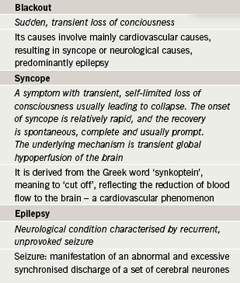
Table 1. Definitions
Blackout (a sudden, transient loss of consciousness, table 1) is a frightening symptom for many patients. The current convention of having entirely separated cardiological and neurological pathways is hampering speedy, accurate and cost-effective diagnosis. As a consequence, a significant proportion of sufferers are either not assessed or are misdiagnosed (for example, with epilepsy) with potentially disastrous effects on their well-being.
In this review, we highlight the challenges in managing patients presenting with transient loss of consciousness, the implications of misdiagnosis, and present the concept of rapid access blackout clinics – a novel clinical pathway that can streamline and improve the healthcare delivery to patients suffering blackouts.
The scale of the problem
Epilepsy
Even though epilepsy (the principal neurological cause of blackout) is one of the most common serious neurological conditions in the UK with a prevalence between 0.7–1%,1 only one to two new cases occur per year within the average list size of a UK general practitioner.2 The condition, nevertheless, can confer significant morbidity and mortality for patients. For instance, important medical complications include status epilepticus, injuries from falls, aspiration and sudden unexpected death, which is estimated to account for 500 deaths per year in the UK.3 In addition, patients are faced with a high social burden including mistreatment, social stigma, educational difficulties and driving and employment restrictions.
Syncope
Syncope, in contrast to epilepsy, is far more common: it affects half of the UK population at some point in their lives, and is responsible for 3% of accident and emergency admissions and 1% of all admissions to hospital.4 It shows a similar bi-modal incidence to epilepsy5 as it appears to be increased in two age clusters – the young and the elderly.6 In the young, there is a peak around 15 years of age, with females having more than twice the incidence of males. In the elderly, it affects 35% of adults over 65 years and 45% over 80 years.7 Syncope, therefore, just like epilepsy, imposes an important medical, social and economic burden on the general population.
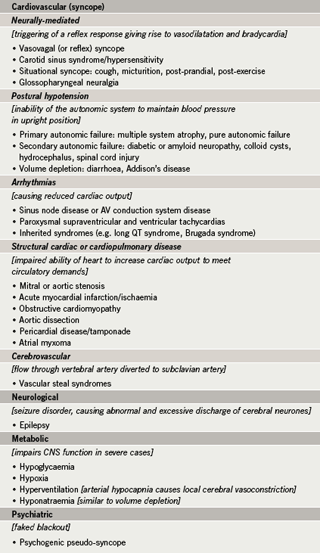
Table 2. Causes of blackout and their underlying mechanism
Among the causes (table 2), the most common is neurally-mediated syncope, which refers to a group of cardiovascular disturbances that are characterised by the triggering of a reflex response. Despite extensive research, the afferent arc remains to be elucidated but the efferent arc involves a reduction in sympathetic outflow to the vasculature and the heart and activation of vagal efferents, causing vasodilatation and a variable degree of bradycardia, which causes transient global cerebral hypoperfusion leading to transient loss of consciousness.8
The most common form of neurally-mediated syncope is ‘vasovagal syncope’, which causes 40% of syncopal events.9 Precipitating factors include emotional distress, fear, or prolonged standing, and there are usually early symptoms and signs such as pallor, weakness or nausea. On regaining consciousness, the patient may complain of persistent weakness.8 Indeed, in common with other causes of syncope, although there is rapid and complete recovery from the transient loss of consciousness, patients may continue to experience unpleasant symptoms such as exhaustion, dizziness and dyspnoea for hours or days after the syncopal episode.10
Syncope as a disability
Recurrent syncopal events, which affect one in three patients, can dramatically impair all aspects of physical and social functioning, affecting activities of daily living, driving, employment, and impacting on interpersonal relationships.10 Affected patients are also predisposed to sustain injury from collapse11 and the functional impairment has been reported to be similar to patients suffering from rheumatoid arthritis or chronic back pain. Psychologically, there is a high prevalence of chronic anxiety and depression.12
Prognosis
Decisive management of patients can reverse the physical and psychosocial morbidity associated with syncope. Nevertheless, patients affected by recurrent episodes of vasovagal syncope have a favourable prognosis, as they are at no increased risk of cardiovascular mortality.13 In contrast, patients with an underlying cardiac cause, which includes those with structural heart disease and arrhythmias, are at an increased risk of non-fatal and fatal cardiovascular events,13 especially sudden cardiac death. Indeed, syncope is a key early symptom in children and young adults who have congenital life-threatening arrhythmias such as long QT syndrome and Brugada syndrome. Such patients need to be accurately diagnosed as life-saving treatment can be offered. However, evidence reveals that diagnostic difficulties hinder the effective management of patients who present with transient loss of consciousness.
Diagnostic challenges
Half of all patients presenting with syncope do not attain a diagnosis while in hospital despite investigation.14 Even for the half receiving a diagnosis, that diagnosis can often be wrong, with blackouts wrongly attributed to epilepsy or a mechanical fall (especially in the elderly).
A presumptive diagnosis of epilepsy is often made initially in a patient presenting with syncope, and may be discovered to be incorrect later.15 This bias may be because a number of cardiovascular causes of blackouts, such as vasovagal syncope or primary cardiac arrhythmia, can masquerade as epilepsy. It is important to remember that prolonged syncope can result in secondary seizures. Even in the absence of secondary seizures, there can be urinary incontinence.16 Such similar features arise because transient global cerebral hypoperfusion in syncope causes cerebral anoxia that may result in myoclonic jerks and sometimes a full reflex anoxic seizure. Indeed, Lempert et al.17 reported that myoclonic activity, predominantly multifocal jerking in proximal and distal muscles, occurred in 90% of healthy subjects in whom syncope was induced using a combination of hyperventilation, orthostasis and the Valsalva manoeuvre. The underlying mechanism of epilepsy is different, with seizures resulting from neuronal hyper-excitability rather than transient hypoperfusion. Regardless of underlying mechanisms, the manner of presentation understandably causes a diagnostic hindrance, although there is a propensity towards overdiagnosing epilepsy.
Syncope masquerading as epilepsy
Around 20–30% of adults and 40% of children18 who are diagnosed with epilepsy do not actually have the condition. In children, syncopal events are commonly due to ‘neurally-mediated syncope,’ also called ‘reflex asystolic seizures,’ which highlight a cardiorespiratory disturbance, not a neurological disturbance like epilepsy. Diagnosis is particularly difficult in children because a clear first-person history is often unavailable in the very young, and clinical features are easily mistaken to be due to epilepsy.
This is a critical public health issue, therefore, due to the number of patients affected, approximately 100,000 in the UK alone, and due to the consequences of misdiagnosis for patients, such as:
denial of potentially life-saving treatment, such as a pacemaker or defibrillator
commencement on potentially harmful anticonvulsant therapy
symptom recurrence may lead to more expensive drugs being employed (with high cost to both the patient and the hospital budget)
symptom recurrence may also lead to diagnostic ambiguity, further investigative costs and further delay for correct treatment to be initiated
impingement of high social burden in education, employment, driving and life insurance.
Substantial financial savings could be made from correct management of patients, as reported by the All Parliamentary Group on Epilepsy in 2007:19 the annual cost of epilepsy misdiagnosis in England is estimated at around £189 million a year, which takes into account unnecessary treatment costs, economic costs of lost work and payments of the Disability Living Allowance, which itself totals £55 million a year.
Syncope masquerading as mechanical fall
Syncope and mechanical falls are the most common reasons for elderly patients to present at an accident and emergency department.20 Misdiagnosis of mechanical falls is most problematic in this group of patients and represents another challenge in obtaining a correct diagnosis: 30% of patients aged ≥ 65 may not admit to loss of consciousness due to retrograde amnesia, but the resultant fall will be reported.21 This is further hampered by the lack of an eyewitness account in 50% of cases.22 As a result, doctors may be swayed to diagnose a fall and patients will not be treated for the actual precipitating cause, such as an arrhythmia. This increases the likelihood of more falls with an allied increase in morbidity and mortality, and also contributes to the rising costs of managing falls, estimated to cost the NHS over £1 billion each year.
The rapid access blackout clinic
Historic assessment and management pathways appear to be failing patients presenting with transient loss of consciousness. One study8 reported that the length of stay in hospital after acute admission for those over 65 years was 5–17 days, highlighting the implementation of variable management plans. This has been contributed to by disparity among hospitals in the investigative approach to patients and highlights the difficulty in acquiring the correct diagnosis.14
Effective handling of patients with blackouts comes from early clinical evaluation by specialist staff trained to do this rapidly and efficiently, and who have access to all necessary facilities without requiring elaborate inter-referrals, which create confusion and delay. Within this model of care is the opportunity to apply management strategies to patients presenting with blackouts that deliver diagnostics decisions.
The Department of Health Heart Team Expert Reference Group for the National Service Framework for Arrhythmias and Sudden Cardiac Death23 formulated algorithms for the management of patients presenting with blackout at four points of call: ambulance service, accident and emergency department, general practitioner, and secondary referral. The rapid access blackout clinic is the secondary referral care pathway, a single out-patient clinic accessible within two weeks of referral that eliminates referral delays arising from uncertainty about the mechanism of the presenting symptom. In some localities there are rapid access seizure clinics and syncope clinics, which make it easy for referrers to get patients through to specialist review. However, even in these regions, referrers may hesitate, especially in the many patients where they cannot be immediately confident of which group of aetiologies to suspect more strongly. Access to a blackout clinic eliminates this final block to specialist assessment of the patient.
By making diagnostic clarity its paramount interest, the aim of the clinic is simple: to complete a global assessment of patients (referred by accident and emergency or their general practitioner) that will secure a definitive diagnosis efficiently and cost-effectively.
Clinical expertise
A dedicated, specialist nursing team with blackout skills will provide the first stage of the diagnostic service. The nursing team may include separate neurologically and cardiologically trained specialist nursing sisters or, as these skills become more widespread, individual specialist nurses who possess both sets of skills. Other members of the multi-disciplinary team are brought in after initial evaluation including specialist neurology and cardiology doctors, geriatricians, and (where available) clinical autonomic scientists.
Initial assessment
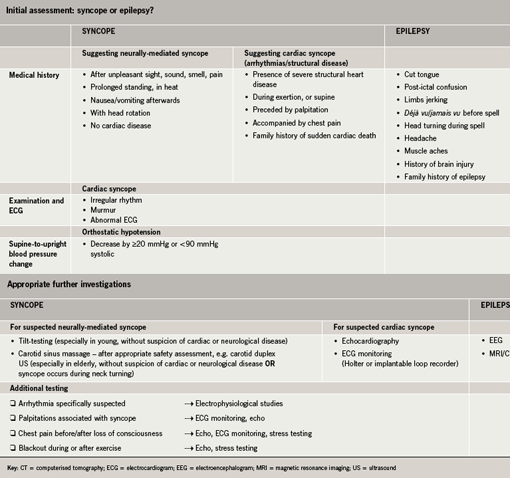
Figure 1. Imperial College Healthcare NHS Trust Blackout ProtocolTable 3. Focused questions relating to transient loss of consciousness
As highlighted in the Imperial College Healthcare NHS Trust protocol for the rapid access blackout clinic (figure 1), modelled on the European Society of Cardiology guidelines,24 the initial assessment is primarily focused on deciding whether the patient is likely to have syncope or epilepsy. It involves four key components: medical history with the aid of a computer-based extended questionnaire, a physical examination, electrocardiogram (ECG) and supine and upright blood pressure, and thus ensures that the various causes of syncope are all taken into account; suspicion of epilepsy is principally raised through an accurate medical history.
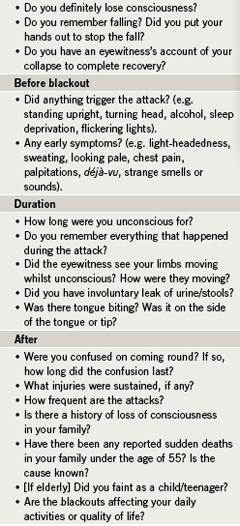
The questionnaire acts as a pre-assessment form, establishing the patient’s background medical history, which includes past cardiac and neurological history. An eyewitness account is a very valuable way to ascertain an accurate history, and patients will be asked to answer the questionnaire with the help of any eyewitnesses before attending the clinic. The questionnaire also contains focused questions regarding the transient loss of consciousness: the circumstances and experiences before, during and after the episode (table 3). To help guide diagnosis, the most important clinical features differentiating between epilepsy and various causes of syncope are outlined in the protocol.25 This initial approach, which may result in a diagnosis or a suspected diagnosis, can thus discover quickly if and where further investigative priorities need to be placed (table 4), and will help avoid unnecessary hospital admissions, which alone are responsible for 74% of the cost of investigating patients.7
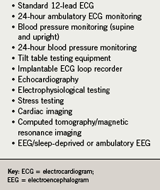
Table 4. Equipment that needs to be accessible to the blackout clinic for the diagnostic work-up of patients
Appropriate further investigation
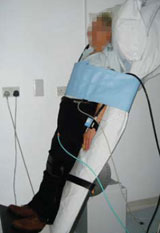
With regards to syncope, further investigations will be most necessary in determining if the mechanism is neurally-mediated or of a cardiac origin. The most valuable tests at present for neurally-mediated syncope include the use of tilt-testing (figure 2) to diagnose and categorise vasovagal syncope and performing carotid sinus massage to diagnose carotid sinus hypersensitivity. For patients who are young, in whom there is no suspicion of cardiac or neurological disease, there is a strong likelihood that vasovagal syncope is the culprit for transient loss of consciousness, and so tilt-testing can be particularly helpful in securing a positive diagnosis.
A variety of protocols are employed for tilt-testing among clinical institutions, and many incorporate pharmacological provocation if the initial tilt-test is negative. Our centre uses the Westminster protocol.26
Figure 2. Patient undergoing a tilt-test at 60°
Carotid sinus hypersensitivity is a disease of the elderly and so older patients (over 50 years) are most likely to respond to carotid sinus massage, especially those without features suggesting the existence of cardiac or neurological disease or in those who have a typical history of syncope during neck turning. A standardised safe technique exists although there are contraindications, such as previous ventricular tachyarrhythmias or carotid bruit.27 Some centres use carotid duplex ultrasound, rather than clinical examination, to exclude carotid disease before carotid sinus massage.
Ultimately, the protocol places most stress on evaluating patients suspected of cardiac syncope as they have a poorer prognosis than patients with neurally-mediated syncope. For instance, an abnormal ECG creates a strong suspicion of an arrhythmic cause of syncope, especially important for some potentially life-threatening inherited arrhythmias in children. Further investigation of patients likely to have cardiac syncope may involve echocardiography (if structural heart disease is suspected) or the implantable loop recorder, which provides a new opportunity to diagnosing arrhythmias in patients in whom tilt-testing does not usefully reproduce the presenting symptom.28 Once implanted, the patient simply activates the device with a hand-held control after any subsequent episode of syncope and the device automatically retains the previous 40 minutes of ECG to memory, which almost always includes the period of syncope itself. The ‘Additional testing’ section under ‘syncope’ is a supplementary list of specific recommendations that are all directed at appropriately investigating the underlying cardiac cause of syncope, emphasising the need for a comprehensive investigative approach in this group of patients.
In contrast, further investigations for epilepsy are not essential for diagnosis but instead are used to classify the type of epilepsy, which is important when considering the best treatment approach. Investigations include the electroencephalogram (EEG) and magnetic resonance imaging (MRI). EEG may be useful in assessing the likelihood of further epileptic seizures after an isolated seizure as well as assisting syndromic classification. MRI is often useful for identifying aetiology, especially in localisation-related cases, such as in hippocampal sclerosis, focal cortical scars, malformations of cortical development, tumours, cavernomas and arteriovenous malformations.
Impact of STARS
The blackout charity, Syncope Trust And Reflex anoxic Seizures (STARS – www.stars.org.uk), is the leading resource for support and information for both patients and medical professionals on syncope and reflex anoxic seizures. The STARS Medical Advisory Committee developed a blackouts checklist, a patient-directed checklist of important information regarding blackouts that aims to educate and empower patients. Almost 10,000 downloads of this document were made in less than three months. Components of this checklist have also been used to structure the questionnaire that forms part of the initial assessment of patients.
Conclusion
The effective management of patients presenting with transient loss of consciousness is an important clinical challenge. Pioneered at the Manchester Royal Infirmary, and developed further into a multi-disciplinary cardiology–neurology collaboration at Imperial College Healthcare NHS Trust (part of the UK’s first Academic Health Science Centre), the rapid access blackout clinic creates a single entry point through which every patient can undergo a cohesive and thorough assessment. It establishes an easy referral pathway (for general practitioners and accident and emergency departments), and attempts to overcome common diagnostic difficulties, which otherwise lead to high rates of clinical uncertainty, misdiagnosis and unnecessary financial costs. Widespread availability of these clinics, now a national priority in the UK as part of the National Service Framework, will provide improved healthcare for all patients affected by blackouts.
Acknowledgements
The authors are grateful for support from Sister Andrea Meyer, Sister Kicki Franzen-McManus and from the NIHR Biomedical Research Centre funding scheme.
Conflict of interest
None declared.
Editors’ note
An editorial on the rapid access blackout clinic by Byrne and O’Shea can be found on pages 9–10 of this issue.
Key messages
The assessment of transient loss of consciousness is a common clinical problem
A substantial proportion of patients presenting with syncope are either not diagnosed or are misdiagnosed, for instance with epilepsy or, especially in the elderly, a mechanical fall
The rapid access blackout clinic attempts to overcome important diagnostic challenges by providing an integrated and complete evaluation of patients that aims to secure a definitive diagnosis efficiently and cost-effectively
References
Stokes T, Shaw EJ, Juarez-Garcia A et al. Clinical guidelines and evidence review for the epilepsies: diagnosis and management in adults and children in primary and secondary care. London: Royal College of General Practitioners, 2004.
Macdonald BK, Cockerell OC, Sander JW, Shorvon SD. The incidence and lifetime prevalence of neurological disorders in a prospective community-based study in the UK. Brain 2004;123(Pt 4):665–76.
Petkar S, Cooper P, Fitzpatrick AP. How to avoid a misdiagnosis in patients presenting with transient loss of consciousness. Postgrad Med J 2006;82:630–41.
Ammirati F, Colivicchi F, Minardi G et al. The management of syncope in the hospital: the OESIL Study (Osservatorio Epidemiologico della Sincope nel Lazio). G Ital Cardiol 1999;5:533–9.
Sander JW, Hart YM, Johnson AL, Shorvon SD. National general practice study of epilepsy: newly diagnosed epileptic seizures in general population. Lancet 1990;336:1267–71.
Wieling W, Ganzeboom KS, Krediet CTP et al. Initiele diagnostische strategien bij wegrakingen: het belang van de anamnese (Initial diagnostic strategy in the case of transient losses of consciousness: the importance of the medical history). Ned Tijdschr Geneesk 2003;147:849–54.
Kenny RA, O’Shea D, Walker HF. Impact of a dedicated syncope and falls facility for older adults on emergency beds. Age & Ageing 2002;31:272–5.
Fenton AM, Hammill C, Rea RF, Low PA, Shen WK. Vasovagal syncope. Ann Intern Med 2000;133:714–25.
Kapoor WN. Evaluation and outcome of patients with syncope. Medicine (Baltimore) 1990;69:160–75.
Shaffer C, Jackson L, Jarecki S. Characteristics, perceived stressors, and coping strategies of patients who experience neurally mediated syncope. Heart Lung 2001;30:244–9.
Kapoor W, Petersen J, Wieand HS, Karpf M. Diagnostic and prognostic implications of recurrences in patients with syncope. Am J Med 1987;83:700–08.
Kapoor WN, Foruanto M, Hanusa BH, Schulberg HC. Psychiatric illnesses in patients with syncope. Am J Med 1995;99:505–12.
Soteriades ES, Evans JC, Larson MG et al. Incidence and prognosis of syncope. N Engl J Med 2002;347:878–85.
Kapoor WN, Karpf M, Wieand S, Peterson JR, Levey GS. A prospective evaluation and follow-up of patients with syncope. N Engl J Med 1983;309:197–203.
Zaidi A, Clough P, Cooper P, Scheepers B, Fitzpatrick A. Misdiagnosis of epilepsy: many seizure-like attacks have a cardiovascular cause. J Am Coll Cardiol 2000;36:181–4.
Fitzpatrick AP, Cooper P. Diagnosis and management of patients with blackouts. Heart 2006;92:559–68.
Lempert T, Bauer M, Schmidt D. Syncope: a videometric analysis of 56 episodes of transient cerebral hypoxia. Ann Neurol 1994;36:233–7.
Uldall P, Alving J, Buchholt J, Hansen L, Kibak M. Evaluation of a tertiary referral epilepsy centre for children. Epilepsia, Proceedings of International League Against Epilepsy, 2001.
Kenny RA, Richardson DA, Steen N, Bexton RS, Shaw FE, Bond J. Carotid sinus syndrome is a modifiable risk factor for non-accidental falls in older adults. J Am Coll Cardiol 2001;38:1491–9.
Benditt DG, Blanc JJ, Brignole M, Sutton B, eds. The evaluation and treatment of syncope. A handbook of clinical practice. New York: Blackwell, 2003.
Shaw FE, Kenny RA. The overlap between syncope and falls in the elderly. Postgrad Med J 1997;73:635–9.
European Society of Cardiology Task Force on Syncope. Guidelines on Management (Diagnosis and Treatment) of Syncope – Update 2004. Eur Heart J 2004;25:2054–72.
Sheldon R, Rose S, Ritchie D et al. Historical criteria that distinguish syncope from seizures. J Am Coll Cardiol 2002;40:142–8.
Fitzpatrick AP, Theodorakis G, Vardas P, Sutton R. Methodology of head-up tilt testing in patients with unexplained syncope. J Am Coll Cardiol 1991;17:125–30.
Munro NC, McIntosh S, Lawson J, Morley CA, Sutton R, Kenny RA. Incidence of complications after carotid sinus massage in older patients with syncope. J Am Geriatr Soc 1994;42:1248–51.
Farwell DJ, Freemantle N, Sulke AN. Use of implantable loop recorders in the diagnosis and management of syncope. Eur Heart J 2004;14:1547–63.
Congestive heart failure (CHF) is an increasingly widespread condition, the prognosis for moderate and severe heart failure is almost identical to colorectal cancer1 and worse than breast2or prostate cancer.3 CHF has an overall population prevalence of approximately 1–3% rising to approximately 10% in the very elderly
CHF accounts for about 5% of all medical admissions and approximately 2% of total healthcare expenditure.4 Nearly one million new cases are diagnosed annually worldwide, making it the most rapidly growing cardiovascular disorder.
The consequences of heart failure for primary care are profound. CHF has been reported to be second only to hypertension as a cardiovascular reason for a surgery appointment.5Despite improvements in medical management, undertreatment is common, many patients with CHF still do not receive treatment optimised according to current guidelines.4,6
The introduction of the 2009/10 heart failure Quality Outcomes Framework (QOF) additions will bring financial incentives for the prescribing of beta blockers for patients with a diagnosis of heart failure. This will apply to all diagnosed heart failure patients. There are, however, no additional QOF points for optimising medication or maximum tolerated levels, therefore, patient care will rely on good practice and receiving treatment according to current guidelines.
The prevalence of heart failure nationally in QOF is just over 1%. Because of the increase in survival after acute myocardial infarction and ageing of the population, the number of patients with heart failure will increase rapidly in most industrialised countries. Heart failure will continue to be a challenge to healthcare.
The profile of heart failure management has been raised with the publication of the Coronary Heart Disease (CHD) National Service Framework (NSF)
Chapter 6 in 20007 and the National Institute for Health and Clinical Excellence (NICE) Heart Failure Clinical Guideline 2003.8 The heart failure publications have supported the development of community heart failure services, and heart failure specialist nurse roles.
The development of the General Practitioner with Special Interest (GPSI) in cardiology qualification and the accreditation in community echocardiography in 2004 has enabled the development of community heart failure services. The training and development of the workforce in primary care has led to improvements in the treatment and management of heart failure patients. A referral to a community specialist heart failure service or secondary care will still be relevant in certain instances, however, the 10 steps will assist in the decision to continue the management in primary care or refer for expert advice and a future management plan.
The amyloidoses comprise a collection of disorders in which proteins, some native and some mutated, are deposited in tissues. These proteins self-assemble themselves to form an ordered fibrillar matrix termed amyloid. Currently, more than 20 different proteins have been identified, the most common with as many as 100 different mutations per protein. Despite these figures, the conditions that arise clinically are not that common. This undoubtedly results in a number of such individuals not being identified, or typically only when it is too late to effect a cure.
This article describes the features, diagnosis and treatments for the different types of amyloid that affect the heart.
Cardiovascular magnetic resonance (CMR) is a safe and accurate imaging modality, with an established role in current cardiology practice. It is becoming essential for cardiologists in other non-imaging sub-specialities to acquire a working knowledge of the potential of CMR in both structural and in ischaemic heart disease. In the current specialist registrar training environment, however, it is difficult to gain that expertise unless wholly committed to an imaging career.
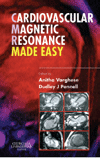
Editors: Varghese A, Pennell D Publisher: Churchill Livingstone Elsevier, 2008 ISBN 978-0-443-10301-8Price £19.99
This book affords the opportunity to derive a comprehensive overview of this highly technical field in a concise and yet easy-to-read format. Edited by Dr Anitha Varghese and Professor Dudley Pennell, from the Royal Brompton Hospital in London, one of the world’s foremost clinical and academic CMR departments, it also draws upon the experience of a number of international experts.
The first chapter, written by Dr Varghese, introduces the reader to the principles of CMR. It sets the tone of the book with sufficient technical information to introduce the reader to the basics of magnetic resonance imaging with an exhaustive description of the indications for CMR and the associated level of evidence for the assessment of different cardiac pathologies. It serves well as a reference and has well-annotated figures for a visual appreciation of the technique.
All the chapters are well-designed – ischaemic heart disease, heart failure and cardiomyopathy, valvular heart disease, cardiac masses, pericardial disease and myocarditis, the aorta, adult congenital heart disease, and magnetic resonance angiography are all covered sufficiently to give the reader a full overview of the potential of CMR. There is a separate chapter on CMR angiography with an honest caveat on the limitations of the technique compared to invasive angiography, aside from the determination of an anomalous coronary circulation. It would have been helpful to describe the role of CMR angiography in enhancing the diagnosis of vulnerable atherosclerotic plaque, although this indication is largely an academic one at present and not yet in regular clinical practice. The book finishes with a simple description of the common artefacts seen with CMR and how to avoid them in routine practice, again with excellent images presented which are easy to interpret.
In summary, this book is an excellent read and delivers to the reader a full appreciation of the full potential of CMR. It is well written by experts in the field and the quality of the images presented are superb. CMR is truly made easy by Varghese and Pennell and is a worthy addition to this series.
You are not logged in
You need to be a member to print this page.
Find out more about our membership benefits


 Editors: Varghese A, Pennell D