

Lipids
Sponsorship Statement:
Novartis Pharmaceuticals UK Ltd has provided OmniaMed Communications Ltd with an arm’s length sponsorship towards the update of the BJC e-learning programme in lipids. Novartis has had no input into the content for the programme.
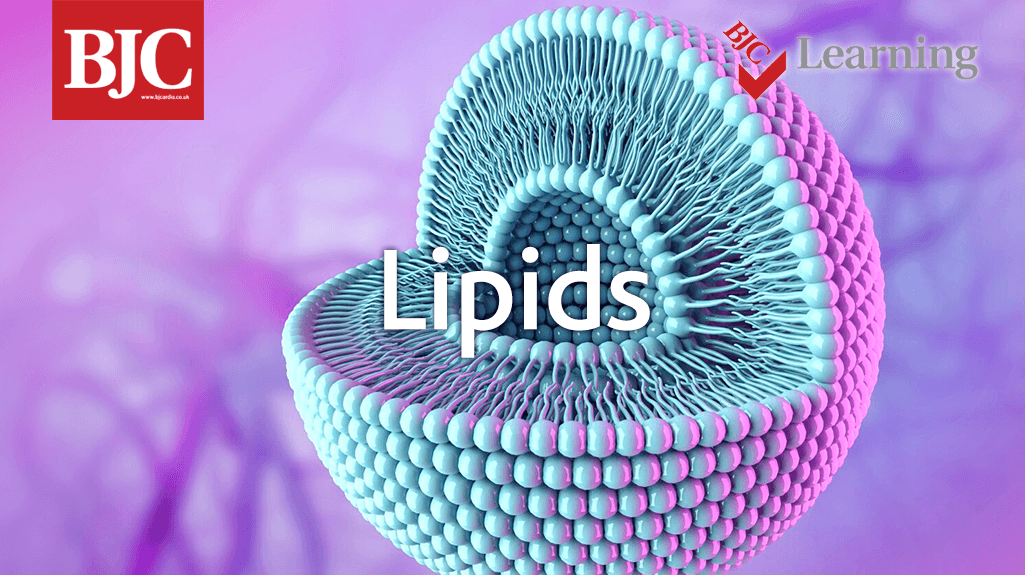
Welcome to this lipids modular e-learning programme looking at dyslipidaemia in clinical practice.
It is now widely established from large outcome studies that lowering cholesterol leads to the prevention of cardiovascular disease and mortality. This has led to HMG CoA reductase inhibitors (statins) becoming the cornerstone of dyslipidaemia treatment along with lifestyle changes. More recently, newer classes of lipid-lowering treatment have become available leading to more options for clinicians to further treat high cholesterol.
In this modular programme we will first be introduced in module 1 to lipid metabolism and its role in atherosclerosis. Module 2 will discuss how to assess cardiovascular risk and why management of dyslipidaemia is important. Module 3 will review the clinical diagnosis of dyslipidaemia. Module 4 will look at the role of individual drugs and lifestyle interventions. Modules will be complemented by case studies.
The programme has been endorsed by HEART UK – The cholesterol charity.
Each module will have a series of multiple-choice questions for self-assessment. Its five hours of learning across four modules leads to 5 CPD credits.
Faculty
Programme editor: Dr Dermot Neely, Heart UK Trustee and Adviser
Dr Saleem Ansari, Specialist Registrar in Chemical Pathology and Metabolic Medicine; and Lipids and Cardiovascular Risk Service, Department of Cardiology, Hammersmith Hospital, Imperial College Healthcare NHS Trust
Dr Jaimini Cegla, Consultant in Chemical Pathology and Metabolic Medicine; and Lipids and Cardiovascular Risk Service, Department of Cardiology, Hammersmith Hospital, Imperial College Healthcare NHS Trust
Dr Mariana Abdel Malek, Specialist Registrar, Imperial College Healthcare NHS Trust
Dr Tina Mazaheri, Specialist Registrar in Chemical Pathology and Metabolic Medicine, Imperial College Healthcare NHS Trust, London
Dr Madhavi Nallagonda, Specialist Registrar in Chemical Pathology and Metabolic Medicine, Imperial College Healthcare NHS Trust, London
Original modular programme
Dr Dermot Neely, Specialist Adviser on Lipids, Academic Health Science Network, North East and North Cumbria
Dr Mike Khan, Chief Medical Officer, Silence Therapeutics plc
Dr David Thompson, Clinical Research Fellow, International Centre for Circulatory Health, Imperial College London, London
Modules revised in 2021 by:
Programme editor: Dr Dermot Neely
Dr Mariana Abdel Malek, SpR, Imperial College Healthcare NHS Trust
Dr Jaimini Cegla, Consultant in Chemical Pathology and Metabolic Medicine, Imperial College Healthcare NHS Trust
Dr Gavin Mercer-Smith, SpR, Newcastle upon Tyne Hospitals NHS Foundation Trust
Professor Tim Reynolds, Consultant Chemical Pathologist, University Hospitals of Derby and Burton
Lipids module 1: lipid metabolism and its role in atherosclerosis
Released 14 June 2024 Programme: Lipids 1 CPD/CME credit

- The essential lipid fractions that form the building blocks of lipid physiology
- The mechanisms which facilitate lipid transport between tissues
- The role of lipid particles in atherosclerosis
- Clinically important cholesterol measurements.
Lipids module 2: cardiovascular risk
Released 14 June 2024 Programme: Lipids 1 CPD/CME credit

- Define the concept of ‘cardiovascular risk factors’
- Understand the need for risk assessment and screening
- Utilise ‘risk engines’ and scoring systems
- Assess which patients to exclude from standard risk assessment
Lipids module 3: clinical diagnosis of dyslipidaemia
Released 14 June 2024 Programme: Lipids 1 CPD/CME credit
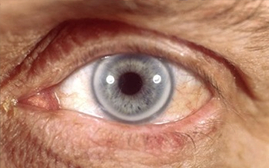
- Review key genetic and secondary causes of dyslipidaemia
- Use clinical findings and abnormalities of the lipid profile to identify and diagnose patients with dyslipidaemia
- Understand components of the lipid profile and how they are measured and calculated
- Recognise the role of lipid profiling in cardiovascular risk assessment including measurement of lipoprotein(a).
Lipids module 4: treatment of dyslipidaemia
Released 14 June 2024 Programme: Lipids 2 CPD/CME credits

- Evidence for lipid-lowering treatment
- Which patients are eligible for lipid-lowering treatment
- Use of lifestyle (diet and exercise) interventions
- The lipid-lowering drug classes.
Lipids module 5: novel approaches to identify and treat dyslipidaemias in primary care
Released 24 September 2025 Programme: Lipids 2 CPD/CME credits
- Understand the role of primary care in implementing primary and secondary prevention of cardiovascular disease
- Be able to use risk assessment tools to evaluate cardiovascular disease risk and understand their limitations
- Have a broad overview of the IT tools available to enhance screening, prevention and treatment of at-risk individuals in practice
- Have a background knowledge of special populations that are at greater cardiovascular disease risk
