

This year’s British Cardiovascular Society (BCS) Annual Conference – held in Manchester 2nd–4th June 2025 – focused on the risks in cardiology that affect patients, professionals, and society. Leading experts from around the world shared their insights into this important topic. George Cocks and Sarah Birkhoelzer report the conference highlights.
Introduction

The 2025 conference was opened by Professor Andre Ng (BCS President, and Professor of Cardiac Electrophysiology, University of Leicester) who celebrated its continued growth. He paid tribute to the late Professor Douglas Chamberlain CBE OStJ KSG, a former BCS President, and a former Consultant Cardiologist at Royal Sussex County Hospital, who was one of the ‘greats’ of cardiology. He leaves a legacy in resuscitation medicine and his pioneering work includes establishing Europe’s first paramedic unit.
Advancing preconception care in women with cardiovascular disease

Professor Deborah Lawlor (Professor of Epidemiology, University of Bristol) gave a compelling lecture on the growing risk faced by pregnant women with cardiovascular disease (CVD). She highlighted the rising prevalence of CVD in pregnancy, particularly in those with congenital1 or acquired disease, showing increased risk of preterm birth, small for gestational age infants, and low APGAR scores, especially among women with hypertensive conditions.2 She proposed that angiotensin-converting enzyme (ACE) inhibitors and beta blockers may reduce risks, such as gestational hypertension and pre-eclampsia, though findings for calcium channel blockers and thiazides remain inconclusive. Professor Lawlor called for proactive, multidisciplinary preconception care and emphasised the urgent need for better data on the safety and efficacy of cardiovascular treatments in pregnancy.
This lecture highlighted the need to understand the link between CVD and pregnancy outcomes, and that we need to obtain better evidence of the effects of medications in pregnancy – involving women and their partners in shared decision-making as much as possible.
Echocardiography in female athletes: a call for sex-specific data
Echocardiography is central to diagnosing and stratifying cardiovascular risk, yet much of the evidence base excludes women. Professor David Oxborough (Professor of Echocardiography and Cardiovascular Physiology, Liverpool John Moores University) highlighted sex disparities in sports-related sudden cardiac death (SCD), with women showing a 10–13 times lower risk than men,3 and SCD in women being more often associated with low-intensity sports and non-shockable rhythms.
The underlying mechanisms may involve hormonal, autonomic, and genetic factors. While arrhythmogenic cardiomyopathy is more common in male athletes, women had a 14% higher risk of sudden arrhythmic death syndrome (SADS).4 Elite female endurance athletes also face increased risk of atrial fibrillation (AF) compared to the general population in a matched cohort study.5 The new 2025 British Society of Echocardiography guidelines aim to address these disparities by refining cardiac assessment in young athletes, considering sex-specific remodelling patterns and body size metrics.6
Sex-specific gaps in valve disease diagnosis and management
Dr Alison Duncan (Associate Specialist, Royal Brompton Hospital, London) emphasised that women remain underdiagnosed and undertreated in CVD and under-represented in cardiovascular clinical trials. Sex-specific factors include later heart failure (HF) presentation, lower referral for advanced HF therapies, higher tricuspid regurgitation rates, higher rates of delayed/missed diagnoses, and worse clinical outcomes in acute coronary syndrome (ACS).7
She also highlighted the challenges of echocardiographic assessment in women due to their smaller heart size, which underestimates valve disease severity. Women also have higher ‘normal’ left ventricular ejection fraction (LVEF) ranges, yet elevated risk persists at 60–65%, compared to men at 50–55%. Women with aortic stenosis (AS) experience higher mortality, likely due to later diagnosis and delayed referral.8 Additionally, mitral regurgitation severity is underestimated in smaller female hearts, contributing to worse surgical outcomes. Dr Duncan made a call for increased awareness, sex-specific research, and tailored echo interpretation, highlighting that in valve disease, one size does not fit all.
Big data for better HF prevention
HF carries high morbidity and mortality, with a complex interplay of risk factors, complicating individual risk assessment. Professor Amitava Banerjee (Professor of Clinical Data Science, UCL, London) showcased how large-scale data can be used at a population level to guide effective primary prevention strategies for diseases such as HF. Using health records from over 170,000 patients, his team analysed 92 risk factors and found that one in six people with HF had either no recorded risk factors or ones not studied in trials,9 stressing the need for future trials to target clusters of risk rather than single variables. Professor Banerjee illustrated how big data can support this shift across research and population healthcare.
Risk stratification in stable angina
Dr Fizzah Choudry (Consultant Interventional Cardiologist, Barking Havering and Redbridge University Hospitals NHS Foundation Trust and Barts Health NHS Trust) presented the 2024 European Society of Cardiology (ESC) guidelines on chronic coronary syndromes, highlighting the risk factor-weighted clinical likelihood model which focuses on the number of risk factors and symptom scoring.
This approach reclassifies more patients into lower-risk categories, reducing the need for unnecessary testing. Diagnosis begins with clinical and echocardiographic assessment, followed by tailored testing, based on clinical likelihood, availability (noting significant geographical disparities in the UK), local expertise and patient characteristics/preference. CT coronary angiogram is preferred for low to moderate likelihood (5–50%), functional imaging for moderate to high (15–85%), and invasive angiography for very high (>85%) likelihood. However, uncertainty remains about the value and cost-effectiveness of screening for coronary artery disease in the general population.10,11
Recognising ANOCA: beyond the angiogram
Angina with no obstructive coronary arteries (ANOCA), also referred to as ischaemia with no obstructive coronary arteries (INOCA), describes angina-like symptoms and normal epicardial coronary artery blood flow (<50% stenosis) when investigated with coronary angiography. Dr Klio Konstantinou (Consultant Cardiologist, The Essex Cardiothoracic Centre) explored a diagnostic algorithm for ANOCA endotypes including endothelial-dependent and non-endothelial dependent coronary microvascular dysfunction, and epicardial vasospastic angina.
The CorMicA (Coronary Microvascular Angina) trial found that:
- up to 50% of patients with angina have non-obstructive disease
- targeted medical therapy based on pathophysiological endotype led to significantly improved angina scores and quality of life at six months.12
As ignoring ANOCA leads to repeated investigations, reduced quality of life, and adverse outcomes.13 Dr Constantinou called for routine use of functional coronary testing to diagnose ANOCA endotypes and to enable tailored treatment to significantly improve angina symptoms and quality of life.
Refractory angina: personalised approaches and emerging therapies
Refractory angina – persistent symptoms despite optimal therapy and revascularisation – is a growing clinical challenge. Dr Kevin Cheng (BHF Clinical Research Fellow, Imperial College London) reviewed key evidence showing that while mortality remains stable, these patients face reduced quality of life and greater healthcare utilisation.14 Research into innovative solutions is accelerating, with ongoing trials studying coronary sinus reducer therapy (e.g. ORBITA-COSMIC15) and trials are also assessing biologic therapy such as intracoronary administration for autologous bone marrow-derived cells in patients with refractory angina (e.g. REGENERATE-COBRA16).
NSTEMI in older adults: take home messages from the SENIOR-RITA trial
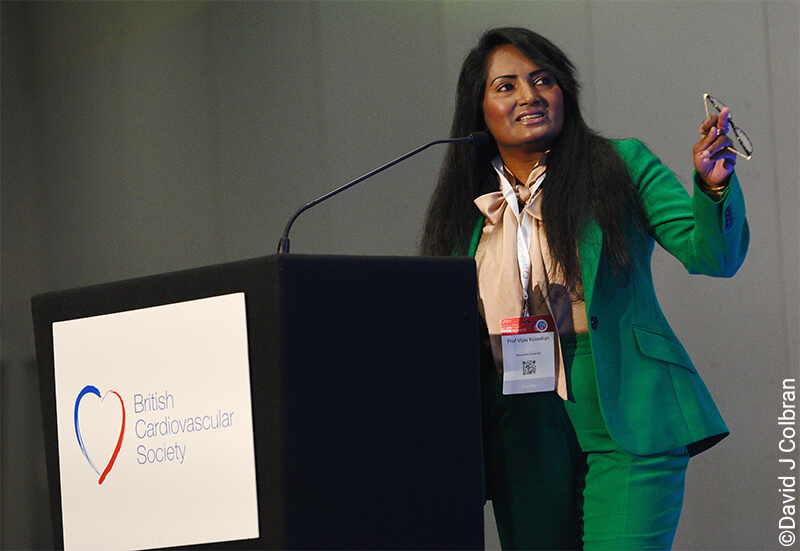
Professor Vijay Kunadian (Professor of Interventional Cardiology, Newcastle University) highlighted age-related disparities in non–ST-segment elevation myocardial infarction (NSTEMI) care. Although 50% of NSTEMIs occur in patients ≥70 years, only 14% of those ≥85 years undergo invasive coronary angiography, reflecting an age bias in guideline-recommended treatments for ACS.17 Randomised controlled trials (RCTs) often exclude older adults, lacking data on frailty, comorbidities, and cognition, leaving clinicians without guidance for this high-risk group. The SENIOR-RITA (Invasive Treatment Strategy for Older Patients with Myocardial Infarction) trial18 randomised 1,518 patients ≥75 years with NSTEMI to either invasive strategies or conservative management. While the invasive approach did not significantly reduce cardiovascular death or myocardial infarction (MI), it lowered nonfatal MI and revascularisation rates, with proven safety. This supports shared, personalised decision-making in older adults.
Obesity therapies in HF: learning from the ACC President
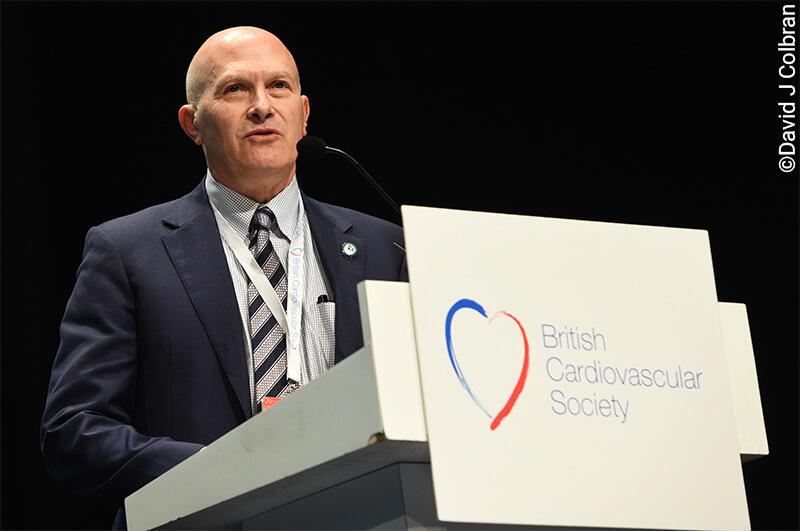
Dr Christopher Kramer (President, American College of Cardiology [ACC]) gave a contemporaneous session on emerging obesity therapies in CVD, particularly in the context of HF with preserved ejection fraction (HFpEF).19 While lifestyle interventions remain the first-line approach to weight loss, their long-term effectiveness in HF patients is limited. New pharmacotherapies, especially glucagon-like peptide-1 (GLP-1) receptor agonists and dual glucose-dependent insulinotropic polypeptide (GIP) and GLP-1 receptor agonists, have demonstrated significant benefits. He highlighted the SURMOUNT-120 and SURMOUNT-521 trials, where tirzepatide outperformed semaglutide in adults with obesity without diabetes, achieving >20% weight loss and reductions in waist circumference.
In addition to weight loss, Dr Kramer provided a summary of RCTs and the benefits of GLP-1 receptor agonists (table 1). While US practice increasingly embraces these agents, their use in the UK remains limited, constrained by cost, availability, and licensing. With oral agents like semaglutide on the horizon and broader therapeutic benefits established, the NHS risks falling behind unless adoption and infrastructure catch up with emerging global standards to address the growing burden of obesity and its associated comorbidities on a broader scale.
Table 1. Summary of clinical trials with GLP-1 receptor agonists
| Condition improved | Semaglutide | Tirzepatide |
| Type 2 diabetes mellitus | ✓ SUSTAIN trials22–28 | ✓ SURPASS trials29–32 |
| Prediabetes | ✓ STEP-1033 | ✓ SURMOUNT-120 |
| Cardiovascular disease | ✓ SUSTAIN-6,27 PIONEER-6,34 SELECT,35 SOUL,36 FLOW37 | SURPASS-CVOT (ongoing),38 SURMOUNT-MMO (ongoing)39 |
| HFpEF | ✓ STEP-HFpEF,40 FLOW37 | ✓ SUMMIT41 |
| MASLD/NAFLD | ESSENCE (ongoing)42 | ✓ SYNERGY-NASH43 |
| CKD | ✓ FLOW37 | TREASURE-CKD (ongoing)44 |
| OSA | Ongoing | ✓ SURMOUNT-OSA45 |
| Osteoarthritis | ✓ STEP-946 | STOP KNEE-OA (ongoing)47 |
| Key: ✓ = completed trials; CKD = chronic kidney disease; GLP-1 = glucagon-like peptide 1; HFpEF = heart failure with preserved ejection fraction; MASLD = metabolic dysfunction-associated steatotic liver disease; NAFLD = non-alcoholic fatty liver disease; OSA=obstructive sleep apnoea | ||
CVD and health inequality
The National Health Service (NHS) was founded on providing equitable care for all so it is vital that we work to identify any inequalities present with respect to care delivery and outcomes and also to aortic implement appropriate strategies to mitigate these differences. Dr Ramesh Nadarajah (Senior Research Fellow and Honorary Consultant Cardiologist, University of Leeds and Leeds Teaching Hospitals NHS Trust) presented National Cardiac Audit data showing the care variation of MI, HF, AF and AS.48
Key disparities include reduced access to invasive coronary angiography in older adults and women post-MI, longer diagnostic delays in HF, and less evidence-based treatment in AF. While patients from South Asian ethnicity receive similar MI care to patients of Caucasian background, data for HF and AF remain limited. Geographical-, age-, gender- and ethnicity-based inequalities in cardiovascular care persist across the NHS. Dr Nadarajah et al. suggest enhancing national cardiovascular care registries by using data to identify inequalities in care of patients with HF and AF to ensure ethnicity-specific reporting across all six National Cardiac Audits. They also propose establishing hospital networks based on local need, redistributing workforce roles, upskilling non-medical staff, and developing integrated teams across primary and secondary care.

BCS Lecture: the maths of life and death
Professor Kit Yates (Professor of Mathematical Biology and Public Engagement, University of Bath) delivered this year’s BCS Lecture focusing on how maths shapes healthcare decisions. He explained the impact of false positives, repeat testing, and risk framing. With audience participation, Professor Yates reflected on the good, as well as the harm, that national screening programmes do, and highlighted the need for clear communication and statistical understanding in patient care.
Young Investigators Award 2025
The popular Young Investigators Award was announced at the conference (table 2).
Table 2. The 2025 British Cardiovascular Society/British Heart Foundation/British Atherosclerosis Society/British Society for Cardiovascular Research Young Investigators Award
| Name | Affiliation | Abstract topic |
| Winner Dr Daniel Taylor |
Clinical Research Fellow (University of Sheffield) | Computed coronary microvascular resistance: optimisation, validation and application in a landmark clinical trial49,50 |
| Runner-up Dr Benn Jessney |
Cardiology SpR (Royal Papworth Hospital) and Clinical Research Associate (Cambridge University) | Artifact-corrected artificial intelligence-led intracoronary OCT analysis identifies plaque progression and vulnerability, drug efficacy and patient events51 |
| Runner-up Miss Maya Noureddine |
PhD Student (University of Birmingham) | Biophysical and functional characterisation of alpha-actinin-2 variants in hypertrophic cardiomyopathy52 |
| Runner-up Dr Henry Procter |
Cardiology Research Fellow (University of Leeds) | Therapeutic potential of the mitochondrial antioxidant mitoquinone (MitoQ) in the treatment of diabetic cardiomyopathy53 |
| Runner-up Dr Rahul Sanwlani |
Cardiovascular Biology Research Fellow (University of Surrey) | Myofibroblast-derived small extracellular vesicles are regulators of electrophysiology and mediators of hypertrophy in human cardiomyocytes54–6 |
Is conduction system pacing the new default?
Attendees enjoyed a debate between Dr Julian Ormerod (Consultant Cardiologist, John Radcliffe Hospital, Oxford) and Dr Badri Chandrasekaran (Consultant Cardiologist, Wiltshire Cardiac Centre, Great Western Hospital, Swindon) regarding conduction system pacing (CSP) and how it may represent the new standard of care for patients with conduction system disease, biventricular pacing indications and some instances of HF.
Dr Ormerod proposed that CSP, particularly left bundle branch pacing (LBBP), offers a more physiological alternative to traditional biventricular cardiac resynchronisation therapy (CRT). He highlighted a randomised study which enrolled 40 patients with non‑ischaemic cardiomyopathy and left bundle branch block, demonstrating that LBBP‑CRT produced greater improvements in LVEF, shorter QRS duration, and better functional class versus biventricular pacing (BiVP) over six months.57
In contrast, Dr Chandrasekaran urged restraint, noting that while it was encouraging, the quoted trial had only 40 participants, was a single‑centre design, and a relatively short (six‑month) follow-up, limiting its generalisability. He pointed out that most CSP data remain from small-scale or non-randomised studies, and that long-term device performance, lead stability, and reproducibility across varied operator experience remain uncertain. He also emphasised that some studies report no significant improvement in mortality and reminded us that current ESC58 and American Heart Association59 guidelines continue to endorse CRT (via BiVP) as the standard of care, given its established benefits on mortality, morbidity, and quality of life.
Both clinicians acknowledge CSP’s clear potential, especially in restoring native conduction and improving electrical synchrony, but agree that broader, multicentre RCTs with longer follow-up and clinical end points (e.g. mortality, hospitalisation) are needed before CSP can supplant CRT in guideline recommendations.
Conclusion
This year’s BCS conference highlighted that:
- we must address long-standing disparities affecting women and ethnic minorities—ensuring equitable access to diagnostics, personalised treatments, and representation in clinical trials
- sex-specific physiology and differential treatment responses demand tailored approaches, especially in valve disease and HF
- we must adopt advances in therapies such as GLP-1 receptor agonists which offer substantial potential in metabolic diseases beyond weight loss
- we must champion proactive care models, data-driven policy, and faster adoption of transformative treatments in NHS practice.
Conflicts of interest
GC: none declared. SB has conducted consultancy work for AstraZeneca.
George Cocks
FY2 Doctor, and Wessex FY2 Trust Representative
University Hospital Southampton NHS Foundation Trust
Sarah Birkholezer
Cardiology Registrar
University Hospitals NHS Dorset Trust
References
1. Mandalenakis Z, Giang KW, Eriksson P, et al. Survival in children with congenital heart disease: have we reached a peak at 97%? J Am Heart Assoc 2020;9(online only). https://doi.org/10.1161/JAHA.120.017704
2. Svanvik T, Ramakrishnan R, Svensson M, et al. Cardiovascular disease in pregnancy: prevalence and obstetric outcomes in a Swedish population-based cohort study between 2000 and 2019. Acta Obstet Gynecol Scand 2024;103:2401–11. https://doi.org/10.1111/aogs.14972
3. Rajan D, Garcia R, Svane J, Tfelt-Hansen J. Risk of sports-related sudden cardiac death in women. Eur Heart J 2022;43:1198–206. https://doi.org/10.1093/eurheartj/ehab833
4. Finocchiaro G, Westaby J, Bhatia R, et al. Sudden death in female athletes: insights from a large regional registry in the United Kingdom. Circulation 2021;144:1827–9. https://doi.org/10.1161/circulationaha.121.055535
5. Drca N, Larsson SC, Grannas D, Jensen-Urstad M. Elite female endurance athletes are at increased risk of atrial fibrillation compared to the general population: a matched cohort study. Br J Sports Med 2023;57:1175–9. https://doi.org/10.1136/bjsports-2022-106035
6. Oxborough D, George K, Cooper R, et al. Echocardiography in the cardiac assessment of young athletes: a 2025 guideline from the British Society of Echocardiography (endorsed by Cardiac Risk in the Young). Echo Res Pract 2025;12:7. https://doi.org/10.1186/s44156-025-00069-0
7. Tayal U, Pompei G, Wilkinson I, et al. Advancing the access to cardiovascular diagnosis and treatment among women with cardiovascular disease: a joint British Cardiovascular Societies’ consensus document. Heart 2024;110:e4. https://doi.org/10.1136/heartjnl-2024-324625
8. Vahanian A, Beyersdorf F, Praz F, et al. 2021 ESC/EACTS Guidelines for the management of valvular heart disease. Eur Heart J 2022;43:561–632. https://doi.org/10.1093/eurheartj/ehab395
9. Banerjee A, Pasea L, Chung S-C, et al. A population-based study of 92 clinically recognized risk factors for heart failure: co-occurrence, prognosis and preventive potential. Eur J Heart Fail 2022;24:466–80. https://doi.org/10.1002/ejhf.2417
10. Lindholt JS, Søgaard R, Rasmussen LM, et al. Five-year outcomes of the Danish Cardiovascular Screening (DANCAVAS) Trial. N Engl J Med 2022;12;387:1385–94. https://doi.org/10.1056/nejmoa2208681
11. Søgaard R, Diederichsen ACP, Rasmussen LM, et al. Cost effectiveness of population screening vs. no screening for cardiovascular disease: the Danish Cardiovascular Screening trial (DANCAVAS). Eur Heart J 2022;43:4392–402. https://doi.org/10.1093/eurheartj/ehac488
12. Ford TJ, Stanley B, Good R, et al. Stratified medical therapy using invasive coronary function testing in angina: the CorMicA trial. JACC 2018;72(23_Part_A):2841–55. https://doi.org/10.1016/j.jacc.2018.09.006
13. Kunadian V, Chieffo A, Camici PG, et al. An EAPCI Expert Consensus Document on ischaemia with non-obstructive coronary arteries in collaboration with European Society of Cardiology Working Group on coronary pathophysiology & microcirculation Endorsed by Coronary Vasomotor Disorders International Study Group. Eur Heart J 2020;41:3504–20. https://doi.org/10.4244/eijy20m07_01
14. Cheng K, Sainsbury P, Fisher M, de Silva R. Management of refractory angina pectoris. Eur Cardiol [Internet]. 2016;11:69–76. https://doi.org/10.15420/ecr.2016:26:1
15. Foley MJ, Rajkumar CA, Ahmed-Jushuf F, et al. Coronary sinus reducer for the treatment of refractory angina (ORBITA-COSMIC): a randomised, placebo-controlled trial. Lancet 2024;403:1543–53. https://doi.org/10.1016/s0140-6736(24)00256-3
16. Ramaseshan R, Perera D, Reid A, et al. REGENERATE-COBRA: A phase II randomized sham-controlled trial assessing the safety and efficacy of intracoronary administration of autologous bone marrow-derived cells in patients with refractory angina. Am Heart J 2024;275:96–104. https://doi.org/10.1016/j.ahj.2024.06.001
17. Zaman MJ, Stirling S, Shepstone L, et al. The association between older age and receipt of care and outcomes in patients with acute coronary syndromes: a cohort study of the Myocardial Ischaemia National Audit Project (MINAP). Eur Heart J 2014;35:1551–8. https://doi.org/10.1093/eurheartj/ehu039
18. Kunadian V, Mossop H, Shields C, et al. Invasive treatment strategy for older patients with myocardial infarction. N Engl J Med 2024;391:1673–84. https://doi.org/10.1056/nejmoa2407791
19. Vest AR, Schauer PR, Rodgers JE, et al. Obesity and weight loss sstrategies for patients with heart failure. JACC Heart Fail 2024;12:1509–27. https://doi.org/10.1016/j.jchf.2024.06.006
20. Jastreboff AM, Aronne LJ, Ahmad NN, et al. Tirzepatide once weekly for the treatment of obesity. N Engl J Med 2022;387:205–16. https://doi.org/10.1056/nejmoa2206038
21. Aronne LJ, Horn DB, Roux CW, et al. Tirzepatide as compared with semaglutide for the treatment of obesity. N Engl J Med 2025;393:26–36. https://doi.org/10.1056/nejmoa2416394
22. Sorli C, Harashima S-I, Tsoukas GM, et al. Efficacy and safety of once-weekly semaglutide monotherapy versus placebo in patients with type 2 diabetes (SUSTAIN 1): a double-blind, randomised, placebo-controlled, parallel-group, multinational, multicentre phase 3a trial. Lancet Diabetes Endocrinol 2017;5:251–60. https://doi.org/10.1016/S2213-8587(17)30013-X
23. Ahrén B, Masmiquel L, Kumar H, et al. Efficacy and safety of once-weekly semaglutide versus once-daily sitagliptin as an add-on to metformin, thiazolidinediones, or both, in patients with type 2 diabetes (SUSTAIN 2): a 56-week, double-blind, phase 3a, randomised trial. Lancet Diabetes Endocrinol 2017;5:341–54. https://doi.org/10.1016/s2213-8587(17)30092-x
24. Ahmann AJ, Capehorn M, Charpentier G, et al. Efficacy and safety of once-weekly semaglutide versus exenatide ER in subjects with type 2 diabetes (SUSTAIN 3): A 56-week, open-label, randomized clinical trial. Diabetes Care 2018;41:258–66. https://doi.org/10.2337/dc17-0417
25. Aroda VR, Bain SC, Cariou B, et al. Efficacy and safety of once-weekly semaglutide versus once-daily insulin glargine as add-on to metformin (with or without sulfonylureas) in insulin-naive patients with type 2 diabetes (SUSTAIN 4): a randomised, open-label, parallel-group, multicentre, multinational, phase 3a trial. Lancet Diabetes Endocrinol 2017;5:355–66. https://doi.org/10.1016/s2213-8587(17)30085-2
26. Rodbard HW, Lingvay I, Reed J, et al. Semaglutide added to basal insulin in type 2 diabetes (SUSTAIN 5): a randomized, controlled trial. J Clin Endocrinol Metab 2018;103:2291–301. https://doi.org/10.1210/jc.2018-00070
27. Marso SP, Bain SC, Consoli A, et al. Semaglutide and cardiovascular outcomes in patients with type 2 diabetes. N Engl J Med 2016;375:1834–44. https://doi.org/10.1056/nejmoa1607141
28. Pratley RE, Aroda VR, Lingvay I, et al. Semaglutide versus dulaglutide once weekly in patients with type 2 diabetes (SUSTAIN 7): a randomised, open-label, phase 3b trial. Lancet Diabetes Endocrinol 2018;6:275–86. https://doi.org/10.1016/s2213-8587(18)30024-x
29. Rosenstock J, Wysham C, Frías JP, et al. Efficacy and safety of a novel dual GIP and GLP-1 receptor agonist tirzepatide in patients with type 2 diabetes (SURPASS-1): a double-blind, randomised, phase 3 trial. Lancet 2021;398:143–55. https://doi.org/10.1016/s0140-6736(21)01324-6
30. Frías JP, Davies MJ, Rosenstock J, et al. Tirzepatide versus semaglutide once weekly in patients with type 2 diabetes. N Engl J Med 2021;385:503–15. https://doi.org/10.1056/nejmoa2107519
31. Ludvik B, Giorgino F, Jódar E, et al. Once-weekly tirzepatide versus once-daily insulin degludec as add-on to metformin with or without SGLT2 inhibitors in patients with type 2 diabetes (SURPASS-3): a randomised, open-label, parallel-group, phase 3 trial. Lancet 2021;398:583–98. https://doi.org/10.1016/s0140-6736(21)01443-4
32. Prato SD, Kahn SE, Pavo I, et al. Tirzepatide versus insulin glargine in type 2 diabetes and increased cardiovascular risk (SURPASS-4): a randomised, open-label, parallel-group, multicentre, phase 3 trial. Lancet 2021;398:1811–24. https://doi.org/10.1016/s0140-6736(21)02188-7
33. McGowan BM, Bruun JM, Capehorn M, et al. Efficacy and safety of once-weekly semaglutide 2·4 mg versus placebo in people with obesity and prediabetes (STEP 10): a randomised, double-blind, placebo-controlled, multicentre phase 3 trial. Lancet Diabetes Endocrinol 2024;12:631–42. https://doi.org/10.1016/s2213-8587(24)00182-7
34. Husain M, Birkenfeld AL, Donsmark M, et al. Oral semaglutide and cardiovascular outcomes in patients with type 2 diabetes. N Engl J Med 2019;381:841–51. https://doi.org/10.1056/nejmoa1901118
35. Lincoff AM, Brown-Frandsen K, Colhoun HM, et al. Semaglutide and cardiovascular outcomes in obesity without diabetes. N Engl J Med 2023;389:2221–32. https://doi.org/10.1056/nejmoa2307563
36. McGuire DK, Marx N, Mulvagh SL, et al. Oral semaglutide and cardiovascular outcomes in high-risk type 2 diabetes. N Engl J Med 2025;392:2001–12. https://doi.org/10.1056/nejmoa2501006
37. Perkovic V, Tuttle KR, Rossing P, et al. Effects of semaglutide on chronic kidney disease in patients with type 2 diabetes. N Engl J Med 2024;391:109–21. https://doi.org/10.1056/nejmoa2403347
38. Nicholls SJ, Bhatt DL, Buse JB, et al. Comparison of tirzepatide and dulaglutide on major adverse cardiovascular events in participants with type 2 diabetes and atherosclerotic cardiovascular disease: SURPASS-CVOT design and baseline characteristics. Am Heart J 2024;267:1–11. https://doi.org/10.1016/j.ahj.2023.09.007
39. Lam CSP, Rodriguez A, Aminian A, et al. Tirzepatide for reduction of morbidity and mortality in adults with obesity: rationale and design of the SURMOUNT-MMO trial. Obes Silver Spring 2025;June 22 (online ahead of print). https://doi.org/10.1002/oby.24332
40. Kosiborod MN, Abildstrøm SZ, Borlaug BA, et al. Semaglutide in patients with heart failure with preserved ejection fraction and obesity. N Engl J Med 2023;389:1069–84. https://doi.org/10.1056/nejmoa2306963
41. Packer M, Zile MR, Kramer CM, et al. Tirzepatide for heart failure with preserved ejection fraction and obesity. N Engl J Med 2025;392:427–37. https://doi.org/10.1056/nejmoa2410027
42. Sanyal AJ, Newsome PN, Kliers I, et al. Phase 3 Trial of semaglutide in metabolic sysfunction–Associated Steatohepatitis. N Engl J Med 2025;392:2089–99. https://doi.org/10.1056/nejmoa2413258
43. Loomba R, Hartman ML, Lawitz EJ, et al. Tirzepatide for Metabolic Dysfunction–Associated Steatohepatitis with liver fibrosis. N Engl J Med 2024;391:299–310. https://doi.org/10.1056/nejmoa2401943
44. Eli Lilly and Company. Tirzepatide study of renal function in people with overweight or obesity and chronic kidney disease with or without type 2 diabetes: focus on kidney hypoxia in relation to fatty kidney disease using multiparametric magnetic resonance imaging. NIH National Library of Medicine clinicaltrials.gov ID NCT05536804. Available from: https://clinicaltrials.gov/study/NCT05536804 (accessed 12th August 2025).
45. Malhotra A, Grunstein RR, Fietze I, et al. Tirzepatide for the treatment of obstructive sleep apnea and obesity. N Engl J Med 2024;391:1193–205. https://doi.org/10.1056/nejmoa2404881
46. Bliddal H, Bays H, Czernichow S, et al. Once-weekly semaglutide in persons with obesity and knee osteoarthritis. N Engl J Med 2024;391:1573–83. https://doi.org/10.1056/nejmoa2403664
47. University of Melbourne. Effect of subcutaneous tirzepatide once-weekly in patients with obesity and knee ssteoarthritis (STOP KNEE-OA): a randomized, double-blind, placebo-controlled trial. NIH National Library of Medicine clinicaltrials.gov ID NCT06191848. Available from: https://clinicaltrials.gov/study/NCT06191848 (accessed 12th August 2025).
48. Nadarajah R, Farooq M, Raveendra K, et al. Inequalities in care delivery and outcomes for myocardial infarction, heart failure, atrial fibrillation, and aortic stenosis in the United Kingdom. Lancet Reg Health – Eur 2023;33:100719.Available from: https://www.thelancet.com/journals/lanepe/article/PIIS2666-7762(23)00138-2/fulltext (accessed 12th August 2025)
49. Taylor DJ, Aubiniere-Robb L, Gosling R, et al. Sex differences in coronary microvascular resistance measured by a computational fluid dynamics model. Front Cardiovasc Med 2023:10 (6 July 2023). Available from: https://www.frontiersin.org/journals/cardiovascular-medicine/articles/10.3389/fcvm.2023.1159160/full (accessed 12th August 2025).
50. Taylor DJ, Feher J, Czechowicz K, et al. Validation of a novel numerical model to predict regionalized blood flow in the coronary arteries. Eur Heart J – Digit Health 2023;4:81–9. https://doi.org/10.1093/ehjdh/ztac077
51. Jessney B, Chen X, Gu S, et al. Correcting common OCT artifacts enhances plaque classification and identification of higher-risk plaque features. Cardiovasc Revascularization Med Mol Interv 2025;73:50–8. https://doi.org/10.1016/j.carrev.2024.06.023
52. Noureddine M, Mikolajek H, Morgan N, et al. Structural and functional insights into α-actinin isoforms and their implications in cardiovascular disease. J Gen Physiol 2025;157:e202413684. https://doi.org/10.1085/jgp.202413684
53. Procter H. Improving the diabetic heart’s energy efficiency. ISRCTN – The UK’s Clinical Study Registry. Available from: https://www.isrctn.com/ISRCTN17384607
54. Sanwlani R, Bramich K, Mathivanan S. Role of probiotic extracellular vesicles in inter-kingdom communication and current technical limitations in advancing their therapeutic utility. Extracell Vesicles Circ Nucleic Acids 2024;5:509–26. https://doi.org/10.20517/evcna.2024.39
55. Sanwlani R, Thompson G, Sulaiman E, et al. BS50 ALK5 inhibitor SD-208 exhibits antifibrotic activity by reverting myofibroblasts to fibroblasts in hypertrophic cardiomyopathy and inhibits small extracellular vesicle secretion. Heart 2024;110(Suppl 3):278–9. http://doi.org/10.1136/heartjnl-2024-BCS.275
56. Thompson G, Sanwlani R, Sulaiman E, et al. BS55 Small extracellular vesicles released by cardiac fibroblasts from hypertrophic cardiomyopathy patients alter action potential of human cardiomyocytes. Heart 2024;110(Suppl 3):282–3. http://doi.org/10.1136/heartjnl-2024-BCS.280
57. Wang Y, Zhu, Hu X, et al. Randomized trial of left bundle branch vs biventricular pacing for cardiac resynchronization therapy. J Am Coll Cardiol 2022;80:1205–16. https://doi.org/10.1016/j.jacc.2022.07.019
58. Glikson M, Nielsen JC, Kronborg MB, et al. 2021 European Society of Cardiology Guidelines on cardiac pacing and cardiac resynchronization therapy. Eur Heart J 2021;42:3427–520. https://doi.org/10.1093/eurheartj/ehab364
59. Heidenreich PA, Bozkurt B, Aguilar D, et al. 2022 AHA/ACC/HFSA Guideline for the Management of Heart Failure: A Report of the American College of Cardiology/American Heart Association Joint Committee on Clinical Practice Guidelines. Circulation 2022;145(18). https://doi.org/10.1161/CIR.0000000000001063
