

The 38th Annual Medical and Scientific Conference hosted by HEART UK delivered a comprehensive programme on cardiovascular prevention across the life course. Held in the University of Warwick from 8th–10th July, sessions spanned future cardiovascular disease (CVD) prevention strategies, cholesterol and brain health, while also offering fresh insights into obesity and inflammation as key drivers of cardiometabolic disease. Dr Andreas Tridimas reports its highlights.

National CVD prevention targets – progress and gaps
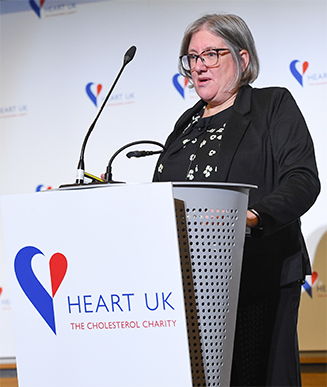
Helen Williams (National Clinical Director for CVD Prevention, London) outlined national metrics demonstrating significant progress since 2022. Over 1.5 million more people have achieved blood pressure targets, 1.1 million more have started lipid-lowering therapy in high-risk primary prevention, and anticoagulation rates in atrial fibrillation (AF) now exceed 91%.
 |
 |
Despite these achievements, inequalities remain. Women and socioeconomically deprived groups are less likely to attain target lipid levels. The updated NHS lipid management pathway emphasises a three-step strategy: initiate, optimise, intensify, supported by the redirection of £200 million in the 2025/26 Quality Outcomes Framework (QOF) to support CVD prevention. Looking ahead, the NHS 10‑year plan sets out to move beyond the ABC model (AF, blood pressure, cholesterol), focusing on multimorbidity with more integrated, holistic care and pharmacy‑led interventions.1
Stroke prevention, brain health and LDL-C
Data on the link between low-density lipoprotein cholesterol (LDL-C) and stroke was presented by Professor Gary Ford (Professor of Stroke Medicine, University of Oxford). This reaffirmed that lowering LDL-C by 1 mmol/L with statins reduces ischaemic stroke risk by approximately 20%.2 Stroke prevention, therefore, represents an important opportunity to reduce long-term cognitive decline.
Many patients remain above target following a stroke or transient ischaemic attack (TIA), highlighting a need to strengthen lipid pathway implementation. Professor Manuela Casula (University of Milan, Italy) reviewed the evidence surrounding LDL-C, statins and dementia. Although early reports linked statins to memory complaints, subsequent larger studies have shown either neutral or beneficial effects.3–4 A recent meta-analysis found a 20% risk reduction overall.5 Cholesterol dysregulation in mid-life contributes to amyloid beta formation and low-grade inflammation in the brain.6 Statins may reduce this through central anti-inflammatory and vascular protective effects.7 While not supported as a treatment for dementia, their role in prevention remains important.
Cardiac rehabilitation – delivering impact without additional cost
Dr Alex Harrison (University of York) presented updated data from the National Audit of Cardiac Rehabilitation. Uptake remains variable, particularly among younger adults and those aged 85 or older. Barriers include misconceptions that rehabilitation is not necessary, or that patients are already active. Innovative solutions included direct booking (rather than referral), consistent patient communication, and integration with long-term condition management. Completion of cardiac rehabilitation was associated with improved lipid profile attainment, reduced readmissions and mortality, and an additional 18% smoking cessation rate. Financial modelling showed a positive return on investment by year 10, with reduced healthcare utilisation and increased return-to-work rates.8
Nutrition and obesity – bridging lifestyle and emerging therapies
Sessions on nutrition and lifestyle, led by Dr Tom Butler (Edgehill University, Ormskirk) and Dr Adrian Brown (University College London Centre for Obesity Research), highlighted the need for sustainable, evidence-based interventions that prioritise long-term health over the extreme, short-term approaches often promoted on social media.
Pharmacological weight-loss strategies, including glucagon-like peptide 1 (GLP-1) receptor agonists, have been shown to reduce both weight and major cardiovascular events. Professor Tricia Tan (Chair in Metabolic Medicine and Endocrinology, Imperial College London) updated delegates with results from the SELECT (Semaglutide and Cardiovascular Outcomes in Obesity without Diabetes) trial, that showed a 20% reduction in major adverse corornary events in people with pre-existing CVD and obesity but no diabetes, with benefits seen as early as 20 days.9 Concerns remain about micronutrient intake when appetite is suppressed, reinforcing the need for dietary support alongside pharmacotherapy.
Obesity surgery remains the most effective intervention for long-term cardiovascular risk reduction, although it is not suitable for all patients, Professor Alex Miras (Professor of Endocrinology, University of Ulster) told the meeting.10

Cardiovascular risk – from pregnancy to menopause
Dr Antonio de Marvao (King’s College London) highlighted that CVD accounts for 30% of mortality in women yet remains under-recognised. Pregnancy was described as the ultimate cardiovascular stress test, often unmasking underlying risk, with gestational diabetes and hypertensive disorders now recognised as strong predictors of future CVD.11
Looking at lipid changes during menopause, Professor John Stevenson (Royal Brompton Hospital, London) highlighted that loss of ovarian function increases LDL-C and lipoprotein(a), reduces HDL, and promotes small dense LDL. Early initiation of hormone replacement therapy (HRT) may improve lipid profiles and reduce coronary risk, particularly when using transdermal oestrogens.12
Paediatric and adolescent dyslipidaemia
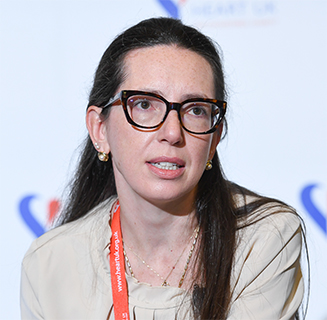
Several speakers at the conference drew attention to the forgotten group in the treatment of dyslipidaemia – children and adolescents. Dr Henk Schipper (Sophia Children’s Hospital, Rotterdam, The Netherlands) and Dr Isabelle van der Linden (Wilhelmina Children’s Hospital Paediatrics, Utrecht, The Netherlands) spoke about the early origins of atherosclerosis, with risk factors present from childhood. Children with chronic inflammatory diseases, such as juvenile idiopathic arthritis and cystic fibrosis, often demonstrate early vascular dysfunction with endothelial impairment and increased arterial stiffness, emphasising the need for proactive cardiometabolic surveillance in paediatric care.13

Dr Fiona Kinnear (University of Bristol) highlighted that up to 30% self-report non- adherence to pharmacological treatment.14 Her study identified 12 actionable recommendations to improve adherence, highlighting the importance of tailored education for families, addressing treatment stigma and improving integration of specialist lipid services into routine paediatric care.15
Residual risk and the importance of triglycerides
Even modestly elevated triglycerides are linked to higher recurrent event risk in atherosclerotic CVD (ASCVD). Professor Handrean Soran (Manchester University NHS Foundation Trust) underscored the need to address residual risk associated with elevated triglycerides.16 Fasting triglycerides over 1.7 mmol/L, or non-fasting over 2.0 mmol/L, should prompt review of treatment and lifestyle. While fibrates can effectively lower triglyceride levels, large meta‑analyses show they provide little or no overall reduction in ASCVD risk.17,18 In contrast, high‑dose icosapent ethyl (EPA) has demonstrated significant ASCVD risk reduction, as shown in the REDUCE‑IT (Reduction of Cardiovascular Events with EPA ) trial where there was a 25% relative risk reduction in major adverse cardiovascular events between the EPA group versus placebo.16
Improving lipid reporting standards
There is a national drive to harmonise lipid reporting across UK laboratories, with a major future development being the separate reporting of results for primary and secondary prevention patients. This will allow laboratories to provide context‑specific interpretive comments, for example advising treatment escalation when LDL‑C remains above target in secondary prevention.19
Myant lecture – inflammation and atherosclerosis
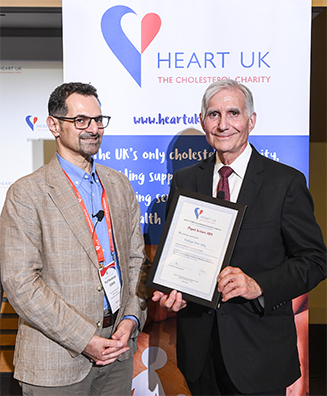
Professor Peter Libby (Brigham and Women’s Hospital, University of Harvard, USA) delivered this year’s Myant lecture, providing a powerful overview of the inflammatory mechanisms in atherosclerosis. Inflammatory mediators reduce collagen synthesis in plaques, increasing rupture risk. While the CANTOS (Anti-inflammatory Therapy with Canakinumab for Atherosclertotic Disease) trial targeting interleukin (IL)-1β showed promise, but infection risk limits clinical uptake.20 Newer agents such as IL-6 inhibitors and GLP1 receptor antagonists may offer broader anti-inflammatory benefits. The challenge remains to modulate inflammation without impairing host defence.
Conclusion
The 2025 conference captured a growing momentum in cardiovascular prevention, shaped by better implementation science, more inclusive approaches, and expanding therapeutic options. Whether improving post-stroke lipid management, addressing obesity with new therapeutics, or integrating care from childhood through to older age, the goal remains the same: earlier, more effective and equitable prevention of CVD across the lifespan.
Conflicts of interest
AT reports honoraria/fees from Novartis, Daiichi Sankyo, Amgen and Amarin.
Dr Andreas Tridimas
Consultant in Chemical Pathology and Metabolic Medicine
Countess of Chester Hospital and Wirral University Teaching Hospital
References
1. Fit for the future: 10 Year Health Plan for England, UK Government https://assets.publishing.service.gov.uk/media/68760ad755c4bd0544dcae33/fit-for-the-future-10-year-health-plan-for-england.pdf (accessed July 2025)
2. Baigent C, Blackwell L, Emberson J et al. Efficacy and safety of more intensive lowering of LDL cholesterol: a meta-analysis of data from 170,000 participants in 26 randomised trials. Lancet 2010;376:1670–81 https://doi.org/10.1016/s0140-6736(10)61350-5
3. Ott BR, Daiello LA, Dahabreh IJ, et al. Do statins impair cognition? A systematic review and meta‑analysis of randomized controlled trials. J Gen Intern Med 2015;30:348–58. https://doi.org/10.1007/s11606-014-3115-3
4. Mach F, Ray KK, Wiklund O, et al. Adverse effects of statin therapy: perception vs the evidence — focus on glucose homeostasis, cognitive, renal and hepatic function, haemorrhagic stroke, and cataract. Eur Heart J 2018;39:2526–39. https://doi.org/10.1093/eurheartj/ehy182
5. Olmastroni E, Gazzotti M, Galimberti F et al. Statin use and risk of dementia or Alzheimer’s disease: a systematic review and meta-analysis of observational studies. Eur J Prev Cardiol 2022;29:804–14. https://doi.org/10.1093/eurjpc/zwab208
6. Sharp FR, DeCarli CS, Jin L‑W, et al. White matter injury, cholesterol dysmetabolism, and APP/Abeta dysmetabolism interact to produce Alzheimer’s disease neuropathology. Aging Neuroscience 2023;15:109620. https://doi.org/10.3389/fnagi.2023.1096206
7. McGuinness B, Craig D, Bullock R, Passmore P. Statins for the prevention of dementia. Cochrane Database Syst Rev 2016; issue 1:CD003160. https://doi.org/10.1002/14651858.CD003160.pub3
8. British Association for Cardiovascular Prevention and Rehabilitation (BACPR). National Audit of Cardiac Rehabilitation Quality and Outcomes Annual Report 2024. https://www.cardiacrehabilitation.org.uk/site/docs/NACR%20Quality%20and%20Outcomes%20Report%202024%20Final.pdf (last accessed 17th September 2025)
9. Lincoff AM, Brown-Frandsen K, Colhoun HM, et al. Semaglutide and cardiovascular outcomes in obesity. N Engl J Med 2023;389:2221–32. https://doi.org/10.1056/NEJMoa2307563
10. Sjöström L, Peltonen M, Jacobson P, et al. Bariatric surgery and long-term cardiovascular events. JAMA 2012;307:56–65. https://doi.org/10.1001/jama.2011.1914
11. Burlina S, Dalfrà MG, Chilelli NC, Lapolla A. Gestational diabetes mellitus and future cardiovascular risk: an update. Int J Endocrinol 2016;1:2070926. https://doi.org/10.1155/2016/2070926
12. Stevenson JC. Hormones and cardiovascular aging: from prevention to therapies. GReM Journal 2023;26:308–17. https://doi.org/10.53260/gtrm.234011
13. Raitakari OT, Juonala M, Magnussen CG, et al. Cardiovascular risk factors in childhood and carotid artery intima-media thickness in adulthood. JAMA 2003;290:2277–83. https://doi.org/10.1001/jama.290.17.2277
14. de Ferranti SD, Steinberger J, Ameduri R, et al. Thirty percent of children and young adults with familial hypercholesterolemia treated with statins have adherence issues. Am J Prev Cardiol 2021;6:100180. https://doi.org/10.1016/j.ajpc.2021.100180
15. Kinnear FJ, Wainwright E, Perry R, et al. Enablers and barriers to treatment adherence in heterozygous familial hypercholesterolaemia: a qualitative evidence synthesis. BMJ Open 2019;9(7):e030290. https://doi.org/10.1136/bmjopen-2019-030290
16. Bhatt DL, Steg PG, Miller M, et al. Cardiovascular risk reduction with icosapent ethyl for hypertriglyceridemia. N Engl J Med 2019;380:11–22. https://doi.org/10.1056/NEJMoa1812792
17. Keene D, Price C, Shun Shin MJ, Francis DP. Effects of fibrates on cardiovascular outcomes: a systematic review and meta analysis. Lancet 2010;375(9729):1875–84. https://doi.org/10.1016/s0140-6736(10)60656-3
18. Pradhan AD, Glynn RJ, Fruchart JC, et al; PROMINENT Investigators. Triglyceride lowering with pemafibrate to reduce cardiovascular risk. N Engl J Med 2022;387:1923–34. https://doi.org/10.1056/NEJMoa2210645
19. Kenkre JS, Mazaheri T, Neely RDG, et al. Standardising lipid testing and reporting in the United Kingdom; a joint statement by HEART UK and The Association for Laboratory Medicine. Ann Clin Biochem 2025;62:257–86. https://doi.org/10.1177/00045632251315303
20. Ridker PM, Everett BM, Thuren T, et al. Antiinflammatory therapy with canakinumab for atherosclerotic disease. N Engl J Med 2017;377:1119–31. https://doi.org/10.1056/nejmoa1707914
