A busy three-day programme comprised this year’s meeting at the ExCel Centre, London, from 1st–3rd June 2009. We report on a few of the meeting’s highlights.
Report shows access to cardiac care is patchy in the UK
A new UK-wide study, mapping disparities in access to cardiac care, has “major implications for provision of services throughout the UK” says Professor Keith Fox (University of Edinburgh) President, British Cardiovascular Society (BCS).
The report, commissioned by the BCS, the British Heart Foundation and the Cardio & Vascular Coalition, shows that despite finding a marked increase in provision of the main cardiac treatments in the country, there were many parts of the UK where access was significantly below the levels expected. It also shows the UK being in the lower quartile for the main cardiac interventions, with the exception of total cardiac resynchronisation therapy (CRT) when compared to other similar developed countries.
The study analysed population access, variations and inequalities in England, Northern Ireland, Scotland and Wales from 2000 to 2006. “It is the first time we have had such comprehensive data in the UK,” said Dr David Hackett, current Vice-President of the BCS. The study is the first to systematically explore the seven main cardiovascular procedures using a consistent set of assumptions across all four nations of the UK.
The future projections model the numbers of interventions that will be required in order to match provision to estimated need and reduce variations in access. By 2020, there will need to be a significant increase in the numbers of cardiac procedures provided across the UK. Some parts of the country will also need to plan for higher increases than others because of their local population characteristics, and because some of their current intervention rates are lower than expected.
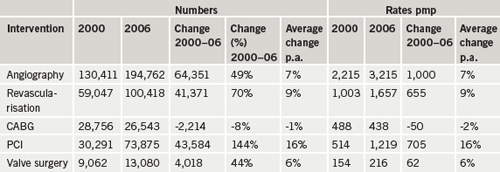
Table 1. Angiography, revascularisation and valve surgery – summary of growth in numbers and rates per million population (pmp) 2000–2006, UK
The cardiac interventions in need of the most focus are electrophysiology and arrhythmia intervention. Areas with a high population of elderly patients are particularly under-resourced, with areas such as Wales and the West Midlands needing a growth of 201% and 224%, respectively, in new pacemakers. “We are still lagging behind other countries in Europe for pacemaker implants” said Dr Hackett.
The good news, however, is that, “the outlook for people with heart conditions is better than ever before in all parts of the UK. In the six years from 2000 to 2006, patients in every region have benefitted from significantly improved access to the main critical cardiac care interventions,” Professor Fox concluded (see table 1).
Allopurinol prolongs exercise time in stable angina
Results from a study presented at the meeting by Dr A Norman, (University of Dundee) support the use of allopurinol as a novel anti-ischaemic agent in patients with angina pectoris.
Experimental work has shown that allopurinol, a xanthine oxidase inhibitor used for treatment of gout, improves “mechano-energetic uncoupling” of the myocardium in heart failure, he said. This means that allopurinol reduces myocardial oxygen demand for a given stroke volume, an effect which might be of value in angina pectoris. In addition, allopurinol has been shown to improve endothelial function and reduce oxidative stress in patients with coronary artery disease.
In a double-blind, placebo-controlled, crossover trial, 60 eligible patients with chronic stable angina and angiographically confirmed coronary artery disease were randomly assigned to receive either placebo or allopurinol (600 mg/day) for six weeks and were then crossed over to the alternative therapy for a further six weeks. The main outcome measurements were changes in total exercise time (TET), time to onset of angina symptoms (Tsym) and time to ST depression (TST) on the exercise treadmill test using the Bruce protocol. These measures were assessed at baseline and after each treatment period.
The median baseline TET was 301 s, Tsym was 233.5 s and TST was 232 s. Allopurinol increased TET by 53.7 s versus -7.1 s for placebo (p<0.001), Tsym by 49.5 s versus 9.5 s for placebo (p = 0.01) and TST by 48.5 s versus 14.5 s for placebo (p<0.001).
In patients with chronic stable angina, allopurinol (600 mg/day) improves TET and Tysm and to ischaemia during exercise. The results also point towards a potential role for the enzyme xanthine oxidoreductase in the pathophysiology of angina.
Serial haemoglobins predict long-term CV outcomes
Both the presence of anaemia at baseline and at follow-up independently predict long-term adverse clinical outcomes in patients after an acute coronary syndrome (ACS), according to Dr DSC Ang, and colleagues (University of Dundee).
Baseline anaemia in patients with acute coronary syndrome is an independent predictor of adverse clinical outcomes. However, little is known about serial haemoglobin measures after an ACS event and its impact on prognosis in this patient population. Haemoglobin levels were measured in 448 consecutive patients presenting with ACS and at seven weeks outpatient follow-up. The main outcome measure was either the occurrence of death or acute myocardial infarction (AMI) over a median duration of 2.5 years (range 1-50 months).
Of the 448 patients, 120 patients presented with ST elevation myocardial infarction (27%). During follow-up there were 117 deaths or cases of AMI. The prevalence of anaemia on admission was 20% and this figure increased to 50% at seven weeks’ follow-up. Adjusting for a variety of baseline, clinical, laboratory and echocardiographic variables (e.g. left ventricular systolic dysfunction), the presence of anaemia was strongly associated with subsequent deaths or AMI when measured on admission and also at seven weeks post-ACS. Patients with persistent anaemia at seven weeks were at an increased risk of death or AMI compared with those with persistently normal haemoglobin.
The study also showed that, in ACS, the prevalence of anaemia increases substantially at seven weeks follow-up (40%) when compared with admission haemoglobin levels; and that both the presence of anaemia at baseline and at follow-up independently predicts long-term adverse clinical outcomes.
Study findings also suggest that the trend of haemoglobin post-ACS is a more important predictor of adverse prognosis compared with a one-off low haemoglobin level at baseline.
What’s new with fish oils?
An interesting symposium sponsored by Solvay Healthcare on omega-3 fatty acids (fish oils) chaired by chaired by Professor Julian Halcox (University of Wales) discussed the relevance of omega-3 biology in cardiovascular disease (CVD) and whether fish oil preparations have a role in preventing sudden cardiac death.
Earliest interest came from observations among the Inuit population of Greenland who despite consuming a diet high in fat suffer low rates of CVD. Meta-analyses suggest that a high intake of fish actually reduces the relative risk of cardiac mortality. This appears to be related to high levels of essential omega-3 fatty acids. It is known that these fatty acids may have a number of effects, including anti-arrhythmic, and anti-inflammatory effects, as well as triglyceride reduction and reductions in platelet aggregation.
Dr Adrian Brady (Glasgow Royal Infirmary) turned attention to how best to treat patients with left ventricular dysfunction (LVD), which is observed commonly in coronary artery disease and post-MI patients. Patients with LVD are at increased risk of death and many trials over the past 30-40 years have shown that adding therapies can reduce mortality. But what should best practice look like? We know that standard therapy includes aspirin, beta blockers and ACE inhibitors but what about the benefits of angiotensin II receptor blockers, clopidogrel and omega-3s, he asked? They all seem to have a part to play in modern management of LVD and recent findings from the GISSI-HF study suggest that a 1 g fish oil preparation daily on standard background medical therapy is safe and effective in reducing all-cause mortality and CV hospital admissions in chronic heart failure patients.
Dr Henry Purcell (Royal Brompton Hospital, London) looked into the putative anti-arrhythmic effects of omega-3s referring back to the Italian GISSI-Prevenzione trial published in 1999. This 11,000 patient study suggested that fish oils may reduce sudden cardiac death early after a myocardial infarction (MI). Even in a population of high ‘fish-eaters’ in Japan, the JELIS study also showed a reduction in major coronary events with high dose eicosapentanoic acid (EPA). These positive data for omega-3s in CVD have led to their inclusion in a number of guidelines including National Institute for Health and Clinical Excellence, Joint British Societies (JBS2), European Society of Cardiology, American Heart Association and the Scottish Medicines Consortium.
More recent data from patients with implantable cardioverter defibrillators (ICDs) did not support a protective effect of omega-3s on cardiac arrhythmia, and that benefits may be dependent on the nature of the underlying disease substrate. Fish oils may be more protective, for example, in patients with a recent MI or acute myocardial ischaemia based on triggered activity and prolonged action potentials rather than on life-threatening re-entrant arrhythmias
Alison Mead (a specialist dietitian from Imperial College London) looked at just how easy is it to get the recommended amount of omega-3s from diet alone. Education, however, is the key for the patient to know where, how much and how often they need to eat certain foods. And, of course, the real question is will they actually consume any fish at all? Early identification and education of patients in coronary care will give us as healthcare providers the advantage we need to help our patients. If they can’t be persuaded to eat enough oily fish then using a licensed omega-3 ethyl ester is another option.
The complete collection of these
and other articles is now available
in a book ‘The Oblique View’.
Further details can be obtained
from [email protected] or www.amazon.co.uk
We continue our series in which Consultant Interventionist Dr Michael Norell takes a sideways look at life in the cath lab…and beyond. In this column, he considers fond farewells.
The title of this piece more usually adorns the front of an enormous and brightly coloured greetings card. When opened by its lucky recipient, a torrent of sentiment springs forth, and while in a variety of handwriting styles, all, nevertheless, convey much the same message. This is along the lines of: “Sad to hear you are off, it’s been good working with you and good luck in your next job/posting with the British Antarctic Survey/sabbatical in Albuquerque, New Mexico/maternity leave/retirement/blah-blah”.
Those of us who have been fortunate to be on the receiving end of these expressions of appreciation may feel a sense of awkwardness at times like this. Whether this embarrassment is a peculiarly British problem I’m not certain about, but I am sure that rather than trying to avoid others’ adulations we should instead welcome them. After all, this is all about their feelings and not yours.
The collection
You know what is likely to be over the horizon when … the collection comes round. A large manila envelope is left anonymously on your desk. Inside is a collection of coins (usually of larger denominations) together with paper currency (usually the smallest). A pink post-it advises you that “Justin from ECG is leaving”, “Hayley in the cath lab is getting married” (again), or “that nice Dr Gluck (who had a recent skirmish with the GMC) is moving on”, and asks whether you wish to sign the enclosed and aforementioned card.
The assumption is that the privilege of jotting down some spontaneous and heart-felt witticism is only acceptable if a contribution is made to the accompanying pecuniary contents. I have to confess that in the privacy of my own office I have occasionally scribbled something thoughtful and then rattled the envelope muttering something about ‘change’ so that my secretary is convinced I have added a significant amount to the pot. I then hand it back to her for continued circulation (with, I am proud to say, an impressively saintly expression on my face – don’t tell her that, for goodness sake).
A previous mentor of mine made it abundantly clear to all departments that he was most certainly not in the habit of contributing to these exercises, laudable as they may be. As he was the most senior member of staff, and so had been around the longest, he would otherwise – at least on mathematical grounds – be subjected to the biggest long-term financial hit. Not unreasonably, he felt that this disadvantaged him and, although I suspect he could well afford it, I do have a certain sympathy for his viewpoint (please don’t tell my secretary that either).
The event
And so … some form of event is planned in order to celebrate or, failing that at least mark, the impending departure of our valued colleague. These take many forms and I am certain that you have witnessed just as many slightly embarrassing, inwardly squirming or just plain downright disgusting examples as I have. Enterprising businesses have been set up specifically to supply this need and include supplying strippers dressed as police officers, Chippendale look-alikes (remember them?) and the now infamous ‘Rolypoly-gram’. (If any, or all, of these are a mystery to you, then I suggest you advise your head of department that you are going to Australia and request “nothing fancy, but just something a bit different” for your leaving do.)
The gift
The choice of gift by which the departing employee might be more inclined to recall his previous working environment, together with his comrades in arms, is always a tricky one – particularly if he actually wants to. A bunch of flowers, or an alcoholic beverage are two possibilities, but the former withers and the latter is consumed, in both cases far too quickly (I leave you to estimate which might occur more rapidly).
A photographic montage of all one’s colleagues is a neat idea (I got a calendar like this once), as might be an old engraving, architect’s drawing or a sepia-toned 1920s print of the hospital that our friend has chosen to leave. All these examples suggest that some thought has at least gone into the process. The knowledge of the subject’s hobbies (a golfer, a sailor or a keen gardener) may inform the selection of more specific items, but in some cases (skydiving or mountaineering, for instance) specialist advice should be sought to ensure that the present received is not only appropriate but safe. (I received a boat hook once, which fell apart with the first mooring buoy I tried to secure; I would hate to think of the same thing happening with a sincerely considered parachute or a heartfelt coil of brightly coloured climbing rope.)
I was given a tantalus so I remain unsure as to which ‘hobby’ of mine my ex-colleagues had been thinking about.
The surprise
There remains one other feature of the departing process that I should warn you about, and that is … the ‘wacky’ and fun-filled surprise. Nurses tend to plonk the victim in a bath; I have had KY Jelly in my cath lab shoes and a dose of furosemide in my tea. The latter was years ago, but as I get older I am sure that its effects are becoming more evident. At least the experience serves to remind me to instruct my juniors that the severity of pulmonary oedema does not correlate with the dose of diuretic required: if patients are ‘diuretic naïve’ see what 20 mg does first. Believe me, I know what I’m talking about.
The most memorable leaving event I recall was being crash-called at 3.00 am to a cardiac arrest in the A&E department on a particularly nippy February morning. As I burst into the resuscitation room a typical scene greeted me in the form of the casualty staff attempting revival of some poor unfortunate who was either at, or beyond, the point of succumbing. I realised too late that the ‘patient’ being massaged on the trolley was actually a manikin. I was grabbed from behind, debagged and daubed ‘liberally’ (I use the word advisedly) with gentian violet.
What lessons are we to draw from this monologue? I would suggest that you think twice before you apply for another job.
Authors: Charlotte Manisty, Ynyr Hughes-Roberts, Sam Kaddoura
Charlotte Manisty
Specialist Registrar Cardiology
St Mary’s Hospital, Praed Street London, W2 1NY
Ynyr Hughes-Roberts
ST1 Cardiology
Sam Kaddoura
Consultant Cardiologist, Chelsea and Westminster Hospital and Royal Brompton Hospital, and Honorary Senior Lecturer, Imperial College School of Medicine
Chelsea and Westminster Hospital, 369 Fulham Road, London, SW10 9NH
The relationship between cardiac and gastrointestinal disease is widely regarded as being a complex one – disorders of the two systems commonly co-exist, and the symptoms of angina pectoris are notoriously difficult to differentiate from gastro-oesophageal problems. In addition, it has commonly been observed that patients suffering with gastrointestinal disturbance suffer from cardiac symptoms whose aetiology can be attributed to their primary gut problems. Recent evidence has shown that this is a relatively common manifestation and that the incidence of these secondary cardiac complications has been underestimated in patients with gastroenterological disease. This article reviews the evidence for secondary cardiological complications of gastrointestinal disorders and discusses the potential mechanisms behind them. The three main areas outlined in the review include rhythm disturbances related to oesophageal disease, linked angina and the cardiac manifestations of inflammatory large bowel disorders.
Palpitations are a common presentation in general practice(1) and a frequent reason for cardiology referrals. This symptom often causes considerable distress and anxiety for the patient(2) and can evoke a similar feeling in the consulted healthcare professional. However, palpitations are often benign.(3) Less than half of patients with palpitations suffer from an arrhythmia and not every identified arrhythmia is of clinical or prognostic significance.(4 )There is also a high incidence of anxiety disorders among patients presenting with palpitations.(5)
The skill lies in identifying patients with a significant heart rhythm abnormality who can be either helped by treatment or are at risk of adverse outcome. This can be achieved in primary care by taking a careful history and simple investigations.(5)
The provision of services for patients with arrhythmic illness has lagged behind those who suffer from coronary heart disease (CHD). This has been recognised by the addition of Chapter 8 to the National Service Framework for CHD.(6) Timely access to appropriate clinicians and patient support are among the quality requirements, which have been much welcomed by patients.
Authors: Fran Sivers, Alan Begg, David Milne, Jonathan Morrell, Dermot Neely, Michael Norton, Michaela Nuttall, Malcolm Walker, Brian Ellis, Cathy Ratcliffe, Andrew Thomas, Ruth Bosworth, Seleen Ong, on behalf of the Follow Your Heart Steering Group
Fran Sivers
Executive Director, Primary Care Cardiovascular Society (PCCS)
Alan Begg
General Practitioner and Member of PCCS
David Milne
General Practitioner and Member of PCCS
Jonathan Morrell
General Practitioner and Member of PCCS and HEART UK
Michael Norton
Community Cardiologist and Member of PCCS
Michaela Nuttall
Cardiovascular Nurse Specialist and Member of PCCS
Primary Care Cardiovascular Society, 36 Berrymede Road, London, W4 5JD
Dermot Neely
Consultant Chemical Pathologist and Board Member of HEART UK
Brian Ellis
Board Member of HEART UK
Cathy Ratcliffe
Deputy Director of HEART UK
HEART UK, 7 North Road, Maidenhead, SL6 1PE
Malcolm Walker
Consultant Cardiologist
University College Hospital, London, NW1 2BU
Andrew Thomas
Associate Director, UK/EU Communications
Ruth Bosworth
Associate Director, Alliance Development, Public Affairs and Policy
Considerable variation exists in adherence to and implementation of post-myocardial infarction (post-MI) clinical guidelines in the UK. The Follow Your Heart Steering Group has consolidated existing clinical evidence and published guidance into a consensus of succinct recommendations for optimal post-MI management, which includes separate healthcare professional and patient-focused components. This guidance should help encourage two-way dialogues between patients and healthcare professionals, reduce practice variation, raise standards of care, maximise healthcare resource utilisation and improve outcomes in post-MI patients. It is our intention to develop and widely disseminate a simple algorithm for healthcare professionals and for patients that summarises the guidance.
Introduction
Coronary heart disease (CHD) remains the leading cause of mortality in the UK with over 94,000 attributable deaths in 2006,1 the majority of which were the result of a myocardial infarction (MI). Approximately half of those who suffer an MI die within 28 days,2 however, with modern technology, procedures and new drugs, increasing numbers survive a heart attack, resulting in 1.4 million post-MI survivors in the UK.3 If patients do not receive optimal post-MI care, the individual and socio-economic burden is significant. In monetary terms this is estimated to be around £9 billion per year when both direct and indirect costs are included.4
Clinical guidance
Current evidence suggests that adherence to clinical guidelines may reduce practice variation and standardise healthcare resource utilisation thus raising standards of care and ultimately improving health outcomes for the population.5,6 The National Institute for Health and Clinical Excellence (NICE) has published several guidelines of relevance to the management of CHD, in particular, clinical guidance on the secondary prevention of MI published in 2007.7 The National Health Service (NHS) is expected to implement NICE guidelines, however, frequently, insufficient attention is devoted to drawing-up effective strategies for their adoption and implementation. As a consequence, implementation varies across the country depending on the healthcare infrastructure, resources available and priorities of the primary care and acute trusts.8
Current practice
To understand the extent to which guidance on the clinical management of post-MI patients is made available to healthcare professionals (HCPs) and implemented, we undertook a qualitative survey involving Primary Care Trusts (PCTs) and cardiac networks in England, and HCPs (general practitioners [GPs] and nurses) across the UK. The results suggest that there is considerable variation in the awareness of recommendations, their availability and implementation, with consequent variations in the clinical management of post-MI patients as reported by HCPs.9 While both GPs and nurses refer to national guidelines, such as those provided by NICE, as a key driver in influencing patient care, the results from this study indicate that actual clinical practice may differ.
Rationale for new post-MI guidance
The survey provided a compelling rationale for the development of new post-MI guidance that consolidates existing clinical evidence and published guidelines, with the intention of presenting optimal patient care and treatment. To this end, HEART UK, the Primary Care Cardiovascular Society (PCCS) and Pfizer have come together in a novel three-way partnership to develop new guidance containing separate components for clinicians and patients, and uniquely recognise the importance of patients and their families in achieving best clinical outcomes.
Myocardial infarction
MI forms part of the spectrum of acute coronary syndromes (ACS), characterised by a combination of three diagnostic criteria: clinical history, electrocardiogram (ECG) changes and appropriate troponin changes.10 ACS, therefore, encompasses unstable coronary artery disease from unstable angina to transmural MI.11 We believe that all patients with ACS should be offered the same preventive opportunities as MI patients.
Cardiac rehabilitation and ongoing care
The short and long-term survival of post-MI patients is dependent upon modification of risk factors that are integral for development and progression of cardiovascular disease. Patients achieving substantial improvement in risk factors improve their outlook in terms of survival and reduced re-admissions to hospital.
Cardiac rehabilitation provides the link in post-MI care between secondary and primary care, and collaboration between both parties is vital to achieve optimal outcomes. An individualised plan should be developed for each patient, and initiated prior to hospital discharge. Patients need to understand that their ongoing care lies mainly within primary care with specialist intervention as required.
Cardiac rehabilitation supports the implementation of lifestyle modification linked into locally available services. The programme should be all-encompassing to enable patients to understand, and take responsibility for their recovery and their continued health. It should introduce the concept of risk, the importance of cardiovascular risk factors, and the usefulness of agreed individualised targets. Improved adherence to an agreed management plan including the use of cardioprotective drugs to help prevent further cardiac events is the desired outcome. The MyAction programme12 based on the results of EuroAction is a useful example.13
The programme should address specific areas of concern to post-MI patients and their partners, with an emphasis on new or ongoing symptoms, allaying of misconceptions and encouragement to resume a normal, but healthier lifestyle. It should address sexual dysfunction, psychological and social issues, as well as occupational factors. Patients should be screened for clinical levels of anxiety and depression so that severe problems may be identified and referred to specialist services, if required.
Both primary and secondary care should have defined pathways to monitor effective continuity of care, which ideally, should conform to auditable British Association of Cardiac Rehabilitation (BACR) standards.14
Lifestyle modification
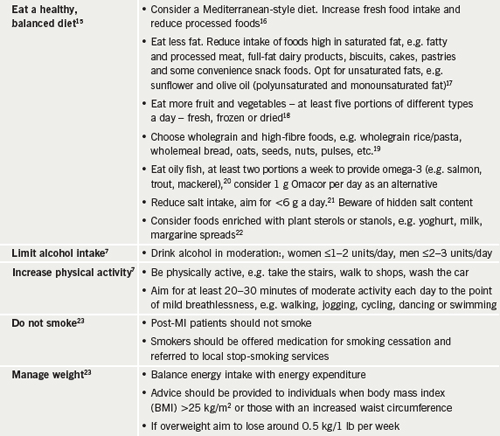
Table 1. Key points for lifestyle modification following a myocardial infarction
Lifestyle changes are essential to improve cardiovascular health, particularly post-MI (table 1),7,15-23 and, wherever possible, all family members should be encouraged to adopt positive lifestyle changes together.
Goal of intervention
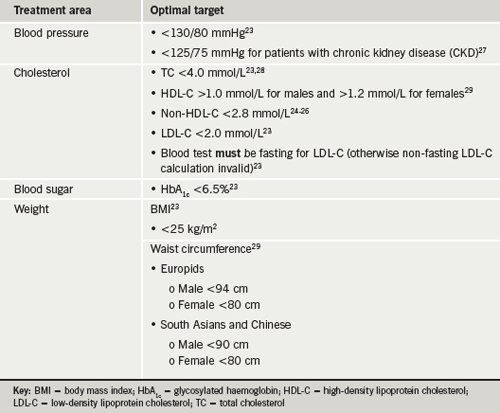
The goal of intervention is to achieve optimal control of all modifiable cardiovascular risk factors (table 2).23-29 Primary targets for lipid lowering are total cholesterol and low-density lipoprotein cholesterol (LDL-C). However, many patients are monitored with non-fasting serum samples, and non-high-density lipoprotein cholesterol (non-HDL-C, fasting or non-fasting) has been recommended as an alternative to calculated LDL-C,24,25 and may be a stronger predictor of cardiovascular outcomes on statin treatment (2.8 mmol/L non-HDL-C is equivalent to 2.0 mmol/L LDL-C).26
Table 2. Optimal treatment targets following a myocardial infarction
Therapeutic interventions
Lipid-lowering therapy
For patients with previous MI:
Simvastatin 40 mg daily (if patient is statin naïve)28
Follow-up at three months to ensure cholesterol target met; if not switch to more potent statin, i.e.atorvastatin 40–80 mg daily or rosuvastatin 10–40 mg daily30
If target not met with maximum tolerated dose of statin, consider adding ezetimibe 10 mg daily31
Simvastatin 80 mg daily is not recommended due to concerns regarding its tolerability/potential for side effects.32
For patients presenting with acute MI or ACS:
Higher-intensity statin therapy,28 e.g. atorvastatin 80 mg is recommended.
Pre-testing and monitoring
Baseline liver function (transaminases) should be less than three times normal level:28
Prior to initiation
Three months after initiation or titration
Measure at 12 months (but not again unless clinically indicated).
Measure lipid profile:23
Three months after initiation
Three months after any further titration
Annually once target achieved.
Angiotensin-converting enzyme (ACE) inhibitors and angiotensin receptor blockers (ARBs)
For all post-MI patients:7
Commence ACE inhibitor, e.g. ramipril, perindopril. If the patient is intolerant of ACE inhibitors use an ARB, e.g. losartan
Titrate upwards at short intervals, e.g. every two weeks
Aim for maximum tolerated or target dose of the individual drug.
Pre-testing and monitoring
Urea, creatinine and electrolytes should be measured:7
Prior to initiation
Within two weeks of initiation and at each dose increment
Every 6–12 months thereafter (more frequently if clinically appropriate).
Antiplatelet agents
For all post-MI patients:
Aspirin 75 mg daily for life.7
Use clopidogrel as an add-on therapy in patients with:
Non-ST elevation MI (NSTEMI) ACS and who are moderate-to-high risk of MI or death, continue for 12 months7
ST-elevation MI (STEMI), continue for at least four weeks (unless indications for continuing, e.g. percutaneous coronary intervention [PCI])7
PCI with stent insertion – duration of therapy as determined at the time of PCI.33
Consider clopidogrel monotherapy for patients with aspirin hypersensitivity.7
Beta blockers
For all post-MI patients:
Commence beta blocker before discharge from hospital, e.g. bisoprolol7
If evidence of left ventricular systolic dysfunction use beta blocker licensed for heart failure7
Titrate up to target, or maximum tolerated dose7
Clinical experience suggests that treatment should continue indefinitely.11
Warfarin
For particular post-MI patients:7
For patients with existing indication for anticoagulation (e.g. atrial fibrillation, mechanical heart valve, left ventricular thrombus) continue warfarin. Consider addition of aspirin if risk of bleeding is low and International Normalised Ratio (INR) target range is 2–3
If unable to tolerate aspirin or clopidogrel, consider moderate-intensity treatment with warfarin (target INR 2–3) for up to four years
Where combination therapy (warfarin and an antiplatelet agent) is being considered, an individualised risk/benefit analysis is warranted.
Aldosterone antagonists
For particular post-MI patients with clinical evidence of heart failure:7
For patients with significant clinical symptoms and/or signs of heart failure and significant evidence of left ventricular systolic dysfunction, consider treatment with an aldosterone antagonist licensed for post-MI treatment. Initiate 3–14 days post-MI and preferably after introduction of ACE inhibitor
If spironolactone is already prescribed at low dose for pre-existing heart failure, continue, or replace with eplerenone in patients intolerant to spironolactone.
Pre-testing and monitoring
Urea, creatinine and electrolytes should be measured:7
Prior to initiation
One week after initiation
Two weeks after initiation
Monthly thereafter for three months and subsequently at three-to-six monthly intervals
If hyperkalaemia becomes a problem, the dose should be halved or the drug stopped.
Note: It is each clinician’s responsibility to check for contraindications to the introduction or titration and potential interactions of medication (and consult the British National Formulary and appropriate Summaries of Product Characteristics [SPCs]) before prescribing.
Integrated communication
Good communication between secondary and primary care, community services and the patient is essential.7
The hospital discharge summary post-MI is vitally important to:34
Confirm diagnosis
Provide results of investigations performed and future investigations required
Document any in-hospital complications and resulting interventions
Provide details of medication prescribed with guidance on up-titration
Provide recommendations on testing the patient’s relatives
Include the patient’s agreed care plan.
All patients should receive an individualised management plan which:
Is culturally sensitive
Contains evidence-based information
Includes input from the patient and carers/family
Provides recommendations on daily living (e.g. driving, returning to work, etc.)35
Documents what to expect of primary care services.
The patient should receive a printed copy of the discharge summary when leaving hospital with a date for a follow-up appointment.
The community team and the patient should be notified of the outcome of follow-up attendances in specialist care.
Discussion
The Follow Your Heart Steering Group, a multi-disciplinary group comprising of clinical practitioners from primary and secondary care, representatives from HEART UK, PCCS and Pfizer and a patient representative, identified a need for new post-MI guidance, which consolidated existing clinical evidence and published guidelines. We have developed succinct guidance, with components for healthcare practitioners and for patients and their carers, for the optimal management of the post-MI patient following discharge from hospital. We have used an approach that not only informs HCPs, providing them with clear clinical guidance to ensure increased uptake of preventive therapies and comprehensive patient monitoring, but also informs the patient of what they should expect. This should provide patients with a greater understanding of their condition and encourage an active role in their ongoing management with increased personal responsibility for their future health and wellbeing.
Following hospital discharge, the post-MI patient journey should continue across organisational boundaries with effective communication between all agencies as outlined. Timely referral from hospital through all phases of cardiac rehabilitation, to ongoing structured care and follow-up within general practice will be encouraged. This guidance will help inform the development of locally agreed protocols and encourage long-term lifestyle and exercise programmes. The patient and carer experience of that journey will be improved with pro-active involvement in individual care plans ensuring that each experience will be part of a process to improve clinical outcomes.
Conclusion
In clinical practice, many post-MI patients receive sub-optimal care following discharge from hospital. We have sought to address this by consolidating the available evidence and guidance into an easily digestible format, with components for HCPs and patients. The guidance highlights the key aspects for optimal patient management, which, we anticipate, will lead to improvements in the care and quality of life of the post-MI survivor. It is the intention of the Steering Group to develop and widely disseminate a simple algorithm for HCPs and patients that summarises the guidance.
Acknowledgement
The content of this manuscript was developed by Dr Fran Sivers, Dr Alan Begg, Dr David Milne, Dr Jonathan Morrell, Dr Dermot Neely, Dr Michael Norton, Michaela Nuttall, Dr Malcolm Walker, Brian Ellis, Cathy Ratcliffe, Andrew Thomas, Ruth Bosworth and Dr Seleen Ong on behalf of the Follow Your Heart Steering Group, made up of members from HEART UK, the PCCS and Pfizer.
HEART UK, the PCCS and Pfizer have come together in a novel three-way partnership – bringing together the right mix of individual perspectives, skills and key experts – in a bid to minimise the significant variation in care and treatment of post-MI patients across the UK and promote improved and consistent patient care. Although facilitated by financial support from Pfizer, each of the organisations contributed equally through the Steering Group and enjoyed parity in decision-making.
Conflict of interest
The Follow Your Heart partnership between HEART UK, the PCCS and Pfizer, has been financially supported by Pfizer. At the time of this research, Andrew Thomas, Ruth Bosworth and Dr Seleen Ong were employees of Pfizer, and Dr Alan Begg, Dr David Milne, Dr Jonathan Morrell, Dr Dermot Neely, Dr Michael Norton, Michaela Nuttall and Dr Malcolm Walker received honoraria for their contribution to the Follow Your Heart project, from Pfizer.
Key messages
The Follow Your Heart Steering Group has identified a need for simple, consistent, evidence-based post-myocardial infarction (post-MI) guidance tailored to primary care practitioners and their patients
We have consolidated existing clinical evidence and published guidance into a consensus of recommendations for optimal care, which include separate healthcare professional and patient-focused components
This guidance should help encourage two-way dialogues between patients and healthcare professionals, reduce practice variation, raise standards of care, maximise healthcare resource utilisation and improve outcomes in post-MI patients
Grimshaw JM, Russell IT. Effect of clinical guidelines on medical practice: a systematic review of rigorous evaluations. Lancet 1993;342:1317–22.
Bahtsevani C, Udén G, Willman A. Outcomes of evidence-based clinical practice guidelines: a systematic review. Int J Technol Assess Health Care 2004;20:427–33.
National Institute for Health and Clinical Excellence. NICE CG 48. Secondary prevention in primary and secondary care for patients following a myocardial infarction. London: NICE, May 2007. Available from:http://www.nice.org.uk/nicemedia/pdf/CG48NICEGuidance.pdf [accessed May 2009].
Rawlins MD. NICE work – providing guidance to the British National Health Service. N Engl J Med 2004;351:1383–5.
Ong S, Milne D, Morrell J; on behalf of the Follow Your Heart Steering Committee. Post-MI clinical guidelines: variation in availability, development, content and implementation across the UK. Br J Cardiol 2009;16:142–6.
Thygesen K, Alpert JS, White HD. Joint ESC/ACCF/AHA/WHF Task Force for the redefinition of myocardial infarction. Eur Heart J 2007;28:2525–38.
Scottish Intercollegiate Guidelines Network. SIGN CG 93. Acute coronary syndromes: a national clinical guideline. Edinburgh: SIGN, February 2007. Available from: http://www.sign.ac.uk/pdf/sign93.pdf [accessed May 2009].
Jennings C, Jones J, Mead A et al. MyAction: a novel preventive cardiology programme for coronary patients, those at high multifactorial risk of developing cardiovascular disease and their partners in the community. J Cardiovasc Nurs(Poster abstract at the Preventive Cardiovascular Nurses’ Association (PCNA) 15th Annual Symposium – in press July/August 2009).
Wood DA, Kotseva K, Connolly S et al.;on behalf of the EUROACTION Study Group. Nurse-coordinated multidisciplinary, family-based cardiovascular disease prevention programme for patients with coronary heart disease and asymptomatic individuals at high risk of cardiovascular disease: a paired, cluster-randomised controlled trial. Lancet 2008;371:1999–2012.
Joint British Societies. JBS 2: Joint British Societies’ guidelines on prevention of cardiovascular disease in clinical practice. Heart 2005;91(Suppl V):v1–v52.
Brunzell JD, Davidson M, Curt D et al. Lipoprotein management in patients with cardiometabolic risk: consensus report from the American Diabetes Association and the American College of Cardiology Foundation. J Am Coll Cardiol2008;51:1512–24.
Charlton-Menys V, Betteridge DJ, Colhoun H et al. Targets of statin therapy: LDL cholesterol, non-HDL cholesterol, and apolipoprotein B in type 2 diabetes in the Collaborative Atorvastatin Diabetes Study (CARDS). Clin Chem2009;53:473–80.
Robinson JG, Songfeng Wang MS, Smith BJ et al. Meta-analysis of the relationship between non-high-density lipoprotein cholesterol reduction and coronary heart disease risk. J Am Coll Cardiol 2009;53:316–22.
Williams B, Poulter NR, Brown MJ et al. British Hypertension Society. Guidelines for management of hypertension: report of the fourth working party of the British Hypertension Society, 2004-BHS IV. J Hum Hypertens 2004;18:139–85.
National Institute for Health and Clinical Excellence. NICE CG 67. Lipid modification: cardiovascular risk assessment and the modification of blood lipids for the primary and secondary prevention of cardiovascular disease. London: NICE, May 2008. Available from: http://www.nice.org.uk/nicemedia/pdf/CG067NICEGuideline.pdf [accessed May 2009].
Law M, Wald N, Rudnicka A. Quantifying effect of statins on low density lipoprotein cholesterol, ischaemic heart disease, and stroke: systematic review and meta-analysis. BMJ 2003;326:1423–9.
National Institute for Health and Clinical Excellence. NICE Technology Appraisal Guidance 132. Ezetimibe for the treatment of primary (heterozygous-familial and non-familial) hypercholesterolaemia. London: NICE, November 2007. Available from: http://www.nice.org.uk/nicemedia/pdf/TA132QRGFINAL.pdf [accessed May 2009].
Clinical Trial Service Unit and Epidemiological Studies Unit press release, University of Oxford. Results from the word’s largest trial of the benefits of more intensive cholesterol-lowering and of the safety of folic acid supplementation (The SEARCH Study), 9 November 2008. Available from: http://www.ctsu.ox.ac.uk/~search/results/search_release_091108.pdf [accessed May 2009].
Silber S, Albertsson P, Aviles FF et al. Guidelines for percutaneous coronary interventions. The Task Force for percutaneous coronary interventions of the European Society of Cardiology. Eur Heart J 2005;26:804–47.
In the case of coronary artery disease the glut of diagnostic terms like Q-wave infarction, non-Q infarction, ST elevation infarction, non-ST elevation infarction, intermediate syndrome, unstable angina, stable angina, silent ischaemia, and exertional angina do not reflect the present day realities and are neither rational nor systematic. The term ‘acute coronary syndrome’ is too vague. A diagnostic term should be based on the cause rather than the effects. The present terms are symptom and effect based. These were relevant when there was no effective treatment. With the availability of powerful treatments these terms have become outdated. Terminology relating to the present day realities is required. In this paper I propose a system of terminology based on the assumed pathology.
Introduction
Coronary artery disease (CAD) forms the bulk of adult cardiology. Spectacular advances have been made in the diagnosis and treatment of CAD, but the diagnostic terminology has not kept pace with these developments.
The babel of terms like Q-wave infarction, non-Q infarction, ST elevation infarction, non-ST elevation infarction, etc. does not reflect the present-day realities. The term ‘acute coronary syndrome’ is too vague. A case of acute myocardial infarction successfully reperfused is no longer an ‘infarction’. There is a need to describe these cases of ‘aborted infarctions’ and ‘threatened infarctions’.1 A properly treated case of exertional angina is no longer ‘angina’. Similarly, with sensitive enzyme markers, ischaemia, injury and infarction form a disease continuum.In the case of CAD, the current terms based on effects, were coined when proper investigations and treatments were not available. Myocardial infarction meant dead tissue and angina meant serious lifestyle limitations.
In the present era of powerful therapies, angina and infarction need not occur. When our efforts are directed at preventing these ill effects of CAD, the present diagnostic terms seem anachronistic. A better diagnostic terminology described earlier2 would be appropriate.
The terminology
Basically, CAD is due to ‘obstructions’ in the coronary arteries. So the basic term used is coronary obstructive syndrome (COS). This can be of three types:
Total coronary obstructive syndrome (TCOS, to be pronounced “tokos”)
Partial coronary obstructive syndrome (PCOS, to be pronounced “pakos”)
Mixed coronary obstructive syndrome (MCOS, to be pronounced “mikos”).
Further, each of these can be subclassified into acute or chronic, depending on the clinical presentation. Thus, there are six terms, which were used as primary diagnoses. These are:
Acute TCOS or in colloquial terms abbreviated as ‘acute total’
Chronic TCOS or ‘chronic total’
Acute PCOS or ‘acute partial’
Chronic PCOS or ‘chronic partial’
Acute MCOS or ‘acute mixed’
Chronic MCOS or ‘chronic mixed’.
The new terms are based on the basic pathology rather than its effects. Thus, acute ST elevation infarction or equivalent, which qualifies for immediate thrombolytic or revascularisation therapy, comes under the category of acute TCOS. If treated properly, there should be no infarction. This term indicates salvageable myocardium. Infarctions past the acute stage, ischaemic cardiomyopathies and painless infarctions come under the category of chronic TCOS. These conditions do not qualify for urgent thrombolytic or revascularisation therapies. Cases in which the disease process could not be arrested can be classified as per the expert consensus document.3
Unstable angina, non-Q infarction and non-ST elevation infarction come under the category of acute PCOS. Stable angina, microvascular angina and silent ischaemia come under chronic PCOS.
A combination of the different subsets constitutes MCOS.Acute MCOS will include various combinations of the first four subclasses with at least one acute subclass. Chronic MCOS is a combination of chronic TCOS and chronic PCOS.
Usually the clinical presentation with or without electrocardiographic (ECG) evidence is the basis for the primary diagnosis. To have a complete diagnosis, the primary diagnosis was qualified by the symptom functional class, investigation results, complications, associated conditions and treatment given as and when required.
For proper documentation and research, the investigative results are ‘descriptive’ and not ‘interpretive’. Thus, an ECG is reported as “ST elevation in V1-V4” or “ST elevation in the anteroseptal leads” and not “acute anteroseptal infarction”. The same patient’s echocardiogram may be reported as “hypokinesia apical-septal segments”. The angiogram may report as “total obstruction in distal left anterior descending and 60% obstruction in circumflex”. However, an autopsy, if done, would state if there was an infarct together with its site and extent. Such a system of documentation would help in medical audit.
Mixed coronary obstructive syndromes form a unique class. As there are three major coronary arteries, different active pathologies can co-exist in each territory and in different regions of the same artery. This will include cases where the past history of CAD is known or coronary angiogram has demonstrated multi-vessel disease. MCOS is a derived concept to improve communication. The component subsets, if few and known, could be mentioned separately. Or, MCOS could be described in terms of its predominant class.
Different aetiologies can be specified in parenthesis like chronic PCOS (graft) for graft obstructions or acute PCOS (spasm) for coronary artery spasm. It is important to note that in spite of the similarities, these terms are not angiographic findings. They describe clinical situations and convey an abstract clinico-pathologic concept. Once the basic system is understood the clinician can use his ingenuity and describe any clinical situation aptly.
Use in practice
A few illustrative cases demonstrate the usage of the new terms in day-to-day practice:
Acute TCOS (primary diagnosis), ST elevation in V1-V4 (investigation), successful reperfusion with streptokinase (treatment). On the rounds we may say “Mr A has acute tokoswith ECG changes in V1-V4”. Note: in conventional terms this is a case of acute anteroseptal infarction. This patient had no wall motion abnormalities. With our treatment at the right time, we may have prevented an infarction. It would be unfair to label this patient as ‘myocardial infarction’.
Chronic PCOS, exertional angina New York Heart Association (NYHA) class III, 2 mm ST depression in V4-V6 at 2 minutes Bruce Protocol, 90% obstruction in left anterior descending. Angioplasty with stent deployment done. Note: the patient no longer has exertional angina.
Acute MCOS, predominantly acute PCOS, Q in II, III, AVF, ST depression in V3-V6. This is a case of post-infarction angina in conventional terms.
The use of these terms will make the clinician think in terms of the actual pathology and provide a clear picture of the disease at a particular time. The concept of acute TCOS will legitimise the use of thrombolytic/intervention therapy at the earliest stage, even before ECG changes occur,and thus prevent infarctions. It can also describe a patient who had successful thrombolysis/intervention without infarction. Furthermore, it can describe ‘infarctions’ presenting with left bundle branch block and true posterior ‘infarctions’ where the current ECG-based terms (like STEMI) would be inappropriate. Asymptomatic lesions can also be described, giving scope for early treatment. Similarly, the concept of MCOS could help us optimise therapeutic strategies.
By the use of these terms, we avoid words like angina, ischaemia, and infarction in the primary diagnosis. Now these terms can at best be used as a complication of a subset of COS. The practising clinician will aim his treatment strategies at arresting these undesirable effects of coronary obstructions. This will also help in proper communication by avoiding ambiguous terms and confusing definitions.
Conflict of interest
None declared
Key messages
Much progress has been made in the diagnosis and treatment of coronary artery diseases, however, the diagnostic terms are antiquated reflecting the era when the diagnostic and treatment modalities were inadequate
There is a need for a new set of diagnostic terms to reflect the current realities of diagnostic and treatment progress
Unlike other diseases, the existing terms are based on the effects or complications of the disease rather than the cause. There is a need for a cause-based terminology to improve understanding and rationalise the treatment options
The new terms will help in planning proper treatment strategies and help in proper communication by avoiding ambiguous terms and confusing definitions
References
French JK, White HD. Clinical implications of the new definition of myocardial infarction. Heart 2004;90:99–106.
Thomas G. Classification and nomenclature for coronary artery disease (letter). Int J Cardiol 2003;88:315–16.
Thygesen K, Alpert JS, White HD, on behalf of the Joint ESC/ACCF/AHA/WHF Task Force for the Redefinition of Myocardial Infarction. Universal definition of myocardial infarction – expert consensus report. Circulation2007;116:2634–53.
Most people do not wish to die in hospital, yet most people do. Patients with chronic heart failure (CHF) appear to be particularly disadvantaged in this regard, partly because it can be difficult to recognise when the issue should be broached. This review by two integrated cardiology–palliative care services of 235 CHF deaths, shows that only about a third of patients died in an acute hospital bed. End-of-life discussions were possible, with the majority of patients given the opportunity to express a preferred place of dying achieving their wish.
Introduction
End-of-life care is now a Department of Health (DoH) priority. Primary care trusts have been charged with ensuring provision of high-quality end-of-life care, utilising enhanced central funding.1 While most people would prefer not to die in hospital, many still do.2 In order to change this situation, clinicians need to establish individual patient’s preferences regarding place of death (PPD) and then work proactively towards their achievement. The DoH is promoting the use of tools to help with this, such as the Gold Standards Framework (GSF), Liverpool Care Pathway (LCP) and Preferred Place of Care Plan, all of which are applicable to patients with congestive heart failure (CHF).3-5
Patients dying from cancer have greater access to supportive services and consideration of their wishes in the dying phase than CHF patients,6 although more deaths in the UK are due to cardiovascular disease (36% of all deaths in 2005) than malignancy (27% of deaths).7 However, the tide is turning. Heart Failure Nurse Specialists (HFNSs) can play a valuable role in addressing end-of-life issues, as well as in monitoring/titrating cardiac medication. Collaborations between cardiology, palliative and primary care services are evolving, with HFNSs as key professionals. In an audit of just over 40 CHF deaths in Gloucester, clinicians discussed preferences of care and PPD with a third of patients. Half died at home and, of those where PPD was known, PPD was realised in 70%.8 However, discussions regarding disease progression, aim of care, and recognition of the last few days of life remain major challenges for clinicians and many are concerned about ‘taking away hope’. These fears are legitimate, though there is evidence from renal medicine and oncology that such discussions are appreciated by patients.9-11 Sensitive exploration of the patient’s own understanding, relevant information giving and discussion of possible options is key, rather than a blanket approach; “I have to tell every patient they’re going to die”.
A frequently cited obstacle to these conversations is the unpredictable disease trajectory in end-organ failure compared with the cancer patient’s more predictable deterioration.12 In practice, however, the differences are not so clear-cut. Many cancer patients follow a trajectory of slow decline interspersed with improvements and setbacks, and that of CHF may be even more chaotic than already suggested.13 UK oncology is adopting problem-based triggers for advance care planning and specialist palliative care (SPC) involvement, rather than relying solely on (often inaccurate) estimates of short-term prognosis. By getting away from the misperception that palliation is only for the imminently dying, it is also possible to improve the care of CHF patients, allowing discussion and preparation of PPD.
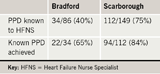
Two areas have developed close working partnerships between their HFNSs and SPC services. In the Scarborough area, two HFNSs manage 153 new referrals a year from a population of 160,000 in a predominantly rural area. Two community hospitals with SPC supported beds, a 16-bedded SPC hospice and nursing homes provide alternative in-patient beds to those in the district general hospital. In Bradford, six HFNSs manage 250 new referrals per year from a population of 395,000 in a predominantly urban area. Palliative care beds are provided in an 18-bedded SPC hospice and designated nursing homes. Hospice-at-home and Marie Curie nurses supplement district nursing care for those wishing to die at home. We present a review of 235 deaths of patients on the HFNSs’ caseloads.
Methods
Scarborough/Whitby/Ryedale (SWR). HFNS records of consecutive deaths between 2005 and 2008 were reviewed regarding: documented evidence of advanced planning discussions (“if things got seriously worse…”) and PPD (documented and/or HFNS recall), actual place of death and mode of death.
Bradford. HFNS case records of consecutive deaths during 12 months between 2006 and 2007 were reviewed regarding: documented PPD, actual place of death and mode of death.
Results
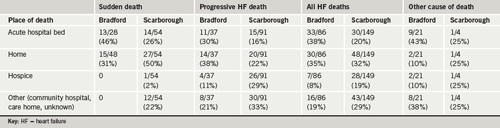
Table 1. Deaths by place and modeTable 2. Achievement of preferred place of death (PPD)
There were 149 deaths from SWR and 86 from Bradford. About one-third of patients died in an acute hospital bed and a third died in their own homes. Place and mode of death are shown in table 1 and the achievement of known PPD is shown in table 2. For SWR patients, there was evidence of advanced planning discussions in 112/149 case records and PPD was either documented or recalled by the HFNS for all these. The Bradford team had documented PPD for 34/86 patients. SPC was involved to a varying extent in 45/149 (30%) of all deaths in SWR, and 28/86 (33%) in Bradford.
Discussion
Although the methods used to review each service were slightly different (both are now prospectively collecting a common dataset), we feel the data are usefully presented together. Both services achieved a high percentage of patients dying from progressive CHF in community settings. We think this is because discussions about advanced planning, including PPD, were possible in a significant number of patients. Importantly, these discussions were mostly conducted by HFNSs, although support and training from SPC staff, experienced in such conversations, was valued. Only a third of patients needed direct SPC input, which should reassure SPC services who fear they may be expected to provide all end-of-life care for all manner of diseases. It is also noteworthy that the HFNSs in both services were strongly linked to secondary and primary care. We believe this to be crucial in allowing them to remain closely involved in care until the time of death.
Most patients died in the place of their choice, where this was known, preventing inappropriate hospital admissions, emergency ambulance use and futile attempts at cardio-pulmonary resuscitation. In both services, even where it was not possible to discharge a patient from hospital, those dying from progressive CHF were recognised and cared for using the LCP. As expected, some patients died suddenly, but it was often possible to discuss end-of-life care during their illness, allowing an opportunity to set affairs in order and to save relatives calling an emergency ambulance.
Conclusions
Recognition of advanced disease and the dying phase is often possible in CHF despite the challenges. Joint working between cardiology, primary and palliative care services coupled with courageous and skilful communication with patients nearing the end of their lives allows patient choice.
Acknowledgement
Grateful thanks to Debbie Gibbon and Mary Crawshaw-Ralli (Bradford HFNSs) and Angela Garton (SWR HFN secretary) for contributing to data collection. This audit was carried out within existing service resources.
Conflict of interest
None declared.
Key messages
Most people want to die at home, but most people still die in hospital
Patients with chronic heart failure appear to have less understanding and choice regarding end-of-life care
Sensitive and skilful communication between staff, patient and carer is required to discuss future management plans in the event of worsening disease
Joint working between primary, secondary and specialist palliative care can help patients achieve their preference for place of death
NHS End of Life Care Programme. Gold Standards Framework. Available from: http://www.goldstandardsframework.nhs.uk
Lancashire & South Cumbria Cancer Network. The Preferred Place of Care Plan. Available from: http://www.cancerlancashire.org.uk/ppc.html
The Marie Curie Palliative Care Institute Liverpool. Liverpool Care Pathway for the Dying Patient. Available from: http://www.mcpcil.org.uk/liverpool_care_pathway
Murray SA, Boyd K, Kendall M, Worth A, Benton TF, Clausen H. Dying of lung cancer or cardiac failure: prospective qualitative interview study of patients and their carers in the community. BMJ 2002;235:929–34.
Data obtained from www.statistics.gov.uk [accessed December 2008].
Moore J. Primary care heart failure service. Br J Cardiol 2008;15:6.
Fallowfield LJ, Jenkins VA, Beveridge HA. Truth may hurt but deceit hurts more: communication in palliative care. Palliat Med 2002:16:297–303.
Michel DM, Moss AH. Communicating prognosis in the dialysis consent process: a patient-centered, guideline-supported approach. Adv Chronic Kidney Dis 2005;12:196–201.
Davison S, Simpson C. Hope and advance care planning in patients with end stage renal disease: qualitative interview study. BMJ 2006;333:886.
Murray SA, Kendall M, Boyd K, Sheikh A. Illness trajectories in palliative care. BMJ 2005;330:1007–11.
Gott M, Barnes S, Parker C et al. Dying trajectories in heart failure. Palliat Med 2007;21:95–9.
The authors describe a case of Takotsubo-like syndrome in a 59-year-old Caucasian woman.
Case report
A 59-year-old woman was admitted with symptoms and signs suggesting acute coronary syndrome. A 12-lead electrocardiogram (ECG) demonstrated ST segment elevation in leads V2-V6, I, II and aVL consistent with ST segment elevation myocardial infarction. She underwent emergency coronary angiography, which demonstrated only minor irregularities in coronaries. Chest pain resolved completely after four hours.
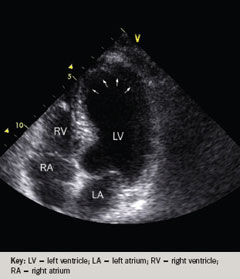
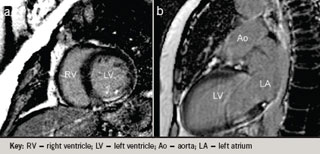
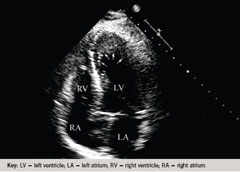
Figure 1b. Transthoracic echocardiography during the initial admission (apical four-chamber view, diastole) Figure 1a. Transthoracic echocardiography during the initial admission (apical four-chamber view, systole) demonstrating ballooning of left ventricular apical function as indicated by white arrowsFigure 2. Cardiac magnetic resonance (CMR) TruFisp cine inflow/outflow in systole (a) with ‘ballooning’ of the left ventricular mid body and apex; (b) diastoleFigure 3. Delayed viability CMR scan (a) short axis and (b) two-chamber view
After 24 hours from admission, serial daily 12-lead ECGs demonstrated marked T-wave inversion in leads V2-V6. This pattern persisted throughout the patient’s hospital stay. Transthoracic echocardiography studies demonstrated significant left ventricular impairment due to apical dyskinesia with ballooning of the apex (figure 1). She also underwent cardiac magnetic resonance (CMR) studies, which demonstrated stunned but viable left ventricular (LV) myocardium (figures 2 and 3).
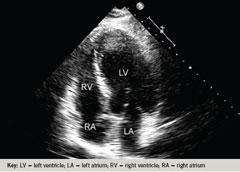
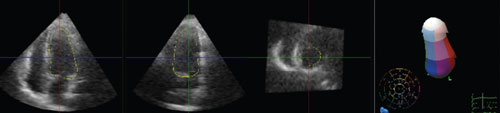
Follow-up echocardiography studies demonstrated that LV function had returned to normal (figures 4 and 5).
Clinical features and pattern of recovery was consistent with Takotsubo cardiomyopathy. This clinical entity, although rare, has been more prevalent in Japan.1 There are a few case reports describing Caucasian patients affected by this disorder.2,3 The aetiology of Takotsubo cardiomyopathy remains unclear. It is a diagnosis of exclusion. Most of the patients recover after one to two months without serious sequelae.
Figure 4b. Transthoracic echocardiography three months after the initial admission (apical four-chamber view, diastole) Figure 4a. Transthoracic echocardiography after the initial admission (apical four-chamber view, systole) demonstrating full recovery of the apex as indicated by white arrowsFigure 5. 3D echocardiography studies three months after the initial admission demonstrating full recovery of left ventricular function
Conflict of interest
None declared.
References
Tsuchihashi K, Ueshima K, Uchida T et al. Transient left ventricular apical ballooning without coronary artery stenosis: a novel heart syndrome mimicking acute myocardial infarction. Angina Pectoris-Myocardial Infarction Investigations in Japan. J Am Coll Cardiol 2001;38:11–18.
Pillière R, Mansencal N, Digne F, Lacombe P, Joseph T, Dubourg O. Prevalence of tako-tsubo syndrome in a large urban agglomeration. Am J Cardiol 2006;98:662–5.
Lisi M, Zacà V, Maffei S et al. Takotsubo cardiomyopathy in a Caucasian Italian woman: case report. Cardiovasc Ultrasound 2007;5:18.
A 37-year-old man presented with palpitations and recurrent episodes of pre-syncope. He had a past medical history of atrial septal defect (ASD) repair aged seven.
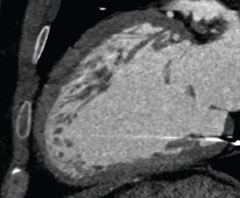
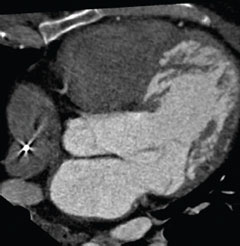
At age 16, he started to suffer with recurrent attacks of pre-syncope and a 24-hour tape documented runs of broad complex tachycardia for which he was commenced on sotalol and fitted with a single-chamber rate-responsive pacing system. Electrocardiogram (ECG) on admission showed an unusual pattern of right bundle branch block, extreme left axis deviation and first-degree heart block. Transthoracic echocardiogram demonstrated biventricular dilatation, moderately impaired left ventricular systolic function and prominent trabeculations, which raised the suspicion of left ventricular non-compaction (LVNC). Interestingly, his twin brother also had an ASD repair in childhood, suffered with recurrent syncopal episodes and was fitted with an implantable cardiac defibrillator (ICD) at age 36 following documented ventricular tachycardia. Cardiac magnetic resonance (CMR) imaging was precluded due to the pacemaker and ECG-gated cardiac computed tomography (CT) was instead performed. This showed increased ventricular trabeculations along the apical and mid-ventricular segments of the anterior and lateral walls (figures 1 and 2). The coronary arteries were normal and functional analysis showed regional wall motion abnormality with an estimated ejection fraction of 44%. The CT appearances were consistent with a diagnosis of LVNC. He was treated with ICD implantation and both he and his brother remain well.
Figure 1. Computed tomography (CT) sagittal reconstruction, two-chamber view. The subepicardial myocardium is thin and normally compacted with a thicker non-compacted subendocardial layer in the anterior wall and apex. Note the artefact from the right ventricular (RV) pacemaker tipFigure 2. CT five-chamber view again showing prominent trabeculations along the lateral and anteroapical wall of the left ventricle
Discussion
LVNC is a rare congenital cardiomyopathy caused by an arrest of myocardial morphogenesis. Imaging studies reveal a dilated hypocontractile left ventricle, which has a two-layered wall. The subepicardial myocardium is thin and normally compacted with a thicker non-compacted subendocardial layer. A ratio of non-compacted:compacted myocardium greater than 2:1 is considered diagnostic. Prompt recognition of LVNC is mandatory because of its clinical manifestations, which include heart failure, thromboembolic events and ventricular arrhythmias. CMR is the imaging modality of choice for LVNC with a high diagnostic accuracy. It provides clear delineation of the extent of non-compaction and also helps distinguish pathological LVNC from lesser degrees of trabeculation, which may be seen in healthy subjects. CMR is, however, contraindicated in patients with a pacemaker or other implanted electrical device. There have been tremendous advances in CT technology in recent years with the advent of multi-detector scanners and ECG-gated acquisition. Cardiac CT is widely used for the investigation of coronary artery disease in selected patient groups and can also provide a comprehensive assessment of cardiac morphology. The high spatial resolution of CT can readily demonstrate the prominent trabeculations in cases of LVNC as shown in this case.
Royal Brompton Hospital, Sydney Street, London, SW3 6NP
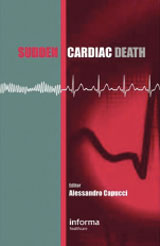
This book largely reflects writers from Italian and German practise on sudden death. It begins with a definition and introduction to sudden death and its causes, which are mainly ischaemic heart disease, cardiomyopathy and the newly-observed channelopathies predominating in the younger age group. The size of this problem is discussed, showing that cardiovascular death is the main killer in developed countries with sudden death as a common mode of death which has been increasing in recent years. This is explained very well.
Editors: Capucci, A Piacenza, I
Publisher: Informa HealthCare, 2006
ISBN: 9781841845784
Price: £80
The risk of sudden death after myocardial infarction is described particularly with regard to the era of early reperfusion/stent insertion. Pathophysiology is very well dealt with looking in detail at the substrate for arrhythmias, different types of arrhythmias and treatment of these, including ablation, drug therapy and implantable defibrillators. An interesting point made is that patients with implantable cardioverter defibrillators (ICDs) still die because the public erroneously think that ICDs will avoid the risk of sudden death and make you live forever! The mode of death in ICD patients is sudden in up to one third of cases, with the most common mechanism being ventricular fibrillation treated with an appropriate shock but then followed by electromechanical dissociation. Electrical dissociation probably arises from other fatal events, such as large extent ischaemia, but it may also be a result of too frequent shocks too closely spaced resulting in severe haemodynamic deterioration.
Primary prevention of sudden death is highlighted with controversy over its widespread application, particularly in ischaemic heart disease patients with poor left ventricular function, which is the main risk factor for sudden death in this group of patients. The use of the beta blocker, amiodarone, and implantable ICDs are discussed with the main trials reported. The role of ICDs in dilated cardiomyopathy and hypertrophic cardiomyopathy is also discussed. Again, the application is in patients with poor ventricular function in dilated cardiomyopathy, while in hypertrophic cases it is those with a family history and a previous event, and those with extreme thickening of the ventricle. In the newly described condition of arrhythmogenic right ventricular cardiomyopathy, the use of ICDs has been demonstrated, whereas trials on drugs are not available. In the channelopathies, prevention depends on the use of beta blockers and ICD therapy.
Pharmacological management is also covered, including use of beta blockers, aldosterone antagonists, ACE inhibitors, angiotensin receptor blockers, statins, omega-3 fatty acids and magnesium. The issue of sudden death in heart failure is great due to the application of ICDs and their cost in the general population. The future of public access to defibrillators is covered, a controversial issue given the cost of putting defibrillators in every public building in the country and training the public in the use of defibrillators in schools and sport. There are guidelines for first aid in cardiac arrest and survival after cardiac arrest. Sudden death in children and adolescents, with emphasis on cardiomyopathies and channelopathies, is highlighted. Finally, the new inherited arrhythmias and future genetic therapy is discussed by international authors, who are well established in this area.
Overall, this is an excellent book of great use to cardiologists, particularly those who have an interest in sudden death, inherited cardiac disease and ischaemic heart disease. I have one major quibble: pathological input into this book is non-existent and good quality cardiac pathology in the analysis of the causes of sudden cardiac death is essential in any studies of this condition.
You are not logged in
You need to be a member to print this page.
Find out more about our membership benefits