Predicting uptake and adherence to cardiac rehabilitation (CR) continues to challenge providers of the service in the UK. This study included optimism with the more traditional predictors of adherence.
The study included 61 eligible patients (37 men, 24 women) referred to an eight-week phase III CR programme. Socio-demographic data were collected including age, gender, diagnosis, employment, marital status and deprivation. Depression was measured using the Hospital Anxiety and Depression (HAD) scale. Dispositional optimism was measured using the Revised Life Orientation Test (LOT-R). Stages of change (SOC) for exercise were assessed. Attendance and completion of the eight-week CR programme were recorded for all patients. There was adherence to CR by 46 (75%; 27 men and 19 women) and non-adherence by 15 (25%; 10 men and 5 women). Dispositional optimism and SOC were found to be significant predictors of adherence (p=0.001 and p=0.038, respectively), with depression tending towards significance (p=0.0614). Socio-demographic variables were not significant.
Greater optimism is associated with attendance at phase III CR. In addition, being in a higher stage of the SOC model is also associated with adherence. These findings can enable CR staff to identify patients at risk of failing to adhere, facilitating focused interventions to encourage adherence.
Introduction
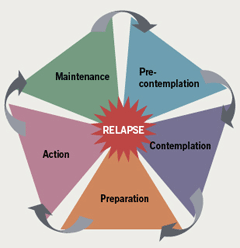
Figure 1. The five stages of the transtheoretical model (adapted from ref. 8)
Exercise-based cardiac rehabilitation (CR) is embedded in cardiac care and can reduce cardiovascular mortality by 30% and death from all causes by 20–25%.1,2 Phase III CR is the stage of the patient journey in the UK that is primarily delivered in a hospital setting.3 It is acknowledged that strategies to increase adherence and participation are needed to maximise health gains from participation in CR.3 Predicting uptake and adherence has, to date, focused on traditional measures, e.g. age.3 New aspects are receiving some attention, these include dispositional optimism and stages of change (SOC).
Optimism
Optimists expect events to go their way, more good things will happen to them than bad, whereas pessimists, expect the opposite.4 Carver and Scheier,5 suggest that optimists cope better with adversity, are more successful at achieving goals, less likely to suffer depression and have better physical health. In addition, being optimistic can be predictive of lower cardiovascular and all-cause mortality.6,7
Stages of change
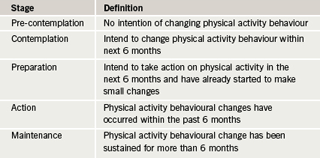
Table 1. Definitions and processes of the stages of change (adapted from reference 8)
The transtheoretical model (TTM) of behaviour change was first introduced by Prochaska and DiClemente.8 It is now routinely used in CR for other health behaviour change. The SOC concept suggests that people follow a number of stages when adopting and maintaining behaviours (table 1 and figure 1).
Success in behaviour change can hinge on an individual’s readiness to change, their SOC and interventions offered by health professionals.9,10
Traditional predictors
Traditional predictors include depression, socio-demographics, age, gender, employment status, marital status and socio-economic status.Non-completion has been associated with depression, older patients, women, single unemployed and lower socio-economic status.11
Materials and methods
Participants
Sixty-one subjects were recruited with varying diagnoses including: myocardial infarction (MI), angina, heart failure, coronary artery bypass graft (CABG), angioplasty and valve replacement. They attended CR once or twice weekly for eight weeks following American Association of Cardiovascular and Pulmonary Rehabilitation (AACVPR) guidelines.12 Only data for those who commenced the programme were used.
Outcome measures
Demographic data included age, gender, marital status, diagnosis, employment status and deprivation (using Depcat scores13). Dispositional optimism was measured using the Revised Life Orientation Test (LOT-R), which was validated by Scheier and colleagues.14 SOC was measured using a questionnaire, adapted from Marcus et al.15 Depression was measured using the Hospital Anxiety and Depression (HAD) scale.16
Results
Descriptive statistics of the sample
Sixty-one participants with a mean age 61.1 ± 9.5 years, 37 males (61%) and 24 females (39%). Forty-six (75%) completed phase III CR and 15 subjects (25%) did not complete.
Predictors
Demographics
Mean age of completers was 60.6 ± 11.8 years and 61.2 ± 8.8 years for non-completers, which was not significant (p=0.829). Two-thirds of the non-adherers (67%) were male. There was no significant difference between the two groups due to gender (p=0.583). No significance was found for diagnosis, employment and marital status (p=0.560, p=0.310 and p=0.163, respectively) or deprivation (p=0.457).
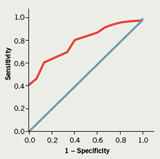
Figure 2. Receiver operating characteristic (ROC) curve for Revised Life Orientation Test (LOT-R) scores
Dispositional optimism
Non-completers were less optimistic (12.9 ± 2.5) than those who completed (16.5 ± 3.6; p=0.001). A receiver-operator characteristic (ROC) curve17 was used to investigate the ability of the LOT-R score to discriminate between those who would adhere to CR. Figure 2 represents the ROC curve for the LOT-R score based on completion. Based on the criteria of the point on the ROC curve furthest away from the line of equilibrium, yielding the best trade-off between sensitivity and specificity,18 patients scoring below 16 should be considered at risk of non-completion.
Stage of change
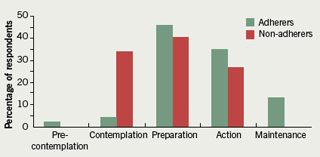
Figure 3. Comparison of adherers and non-adherers by stage of change
Significance was found (p=0.038) for SOC between groups. Figure 3 suggests the higher the SOC (that is, towards action and maintenance stages), the less likely a patient will drop out.
Depression
The mean depression score for this sample was 3.7 (± 3.0). Non-adherers (4.8 ± 2.8) were more depressed than those who attended CR (3.3 ± 2.97). The data would appear to suggest that depression may be a predictor of adherence. However, depression only tended towards significance (p=0.0614).
Discussion
Demographic variables
None of the demographic factors examined were found to be predictors of adherence to phase III CR. In a recent study, a similar non-significant relationship between adherence and age was observed.19 This is a positive finding for older participants who can accrue the benefits.20 Poor relationships between diagnosis and adherence have been observed in previous studies.21,22 This study would suggest that regardless of diagnosis, patients are taking up and adhering to exercise-based CR.2
Employment status did not predict adherence, however, other studies have found that unemployment contributes to non-adherence.23,24 On examination of the sample, the majority of subjects were retired (57.4%; 53% in the non-adherence group), which possibly makes attendance easier. No relationship with marital status or deprivation and adherence was found. This is a positive finding as many aspects of cardiac care will often see lower socio-economic groups not accept.11
Optimism
The findings concur with the only other study examining optimism and adherence to CR.19 Pessimists perceive that regardless of what they do, the outcome will be the same and, therefore, reduce their efforts and quit. This is a common misconception of cardiac patients. Misconceptions are beliefs that are false, and can result in over-cautious or inappropriate behaviours.20 It is recommended that staff should screen for optimism/pessimism, identify and address cardiac misconceptions, which have been shown to influence adherence to phase III CR.25,26 For this data set, 87% of patients scoring less than 16 were non-compliant. We would suggest that patients scoring less than 16 should receive additional support to overcome misconceptions and improve uptake and attendance at CR. The area under the ROC curve is the probability that a test will discriminate between patients with and without a condition.27
Stage of change
The findings would suggest that SOC has a positive effect on adherence, and those further towards action and maintenance stages were more likely to adhere. A study by Bock et al.,28 did not find a relationship between SOC and adherence, possibly due to differing subject nationality, gender, health services and diagnosis distributions. They found that younger and employed subjects were more likely to drop out. Other studies have found significant positive relationships between exercise adherence and the SOC model with coronary heart disease (CHD) patients.29 Currently, CR services in the UK routinely use SOC.20 Professionals should consider using SOC to identify patients who are less likely to adhere, allowing them to focus on these patients.
Depression
Depression measures tend towards significance in predicting adherence with the phase III CR programme, this is consistent with previous studies.22,25,30 These other studies used the Beck Depression Inventory (BDI), whereas this study used the HAD scale, as recommended by the national guideline.20
In conclusion, healthcare professionals need to be aware of barriers and factors that impinge on adherence to CR programmes to maximise uptake and adherence. We found no relationship between traditional demographic factors and adherence. Our main finding is that optimism and SOC are factors that should be incorporated into assessment of patients prior to phase III. Thus, clinicians can be proactive in identification of ‘high-risk’ non-adherers to maximise the benefits of participation.
Acknowledgement
We would like to thank all cardiac rehabilitation staff and patients who took part in this study at Wishaw General Hospital, Lanarkshire.
Conflict of interest
None declared.
Key messages
Optimism may be a better predictor of uptake and adherence to phase III cardiac rehabilitation than other traditional measures
Stages of change for exercise of action and maintenance were good predictors of uptake and completion of phase III cardiac rehabilitation
References
Oldridge NB, McCartney N, Hicks A, Jones NL. Improvement in maximal isokinetic cycle ergometry with cardiac rehabilitation. Med Sci Sports Exerc 1989;21:308–12.
Jolliffe JA, Taylor RS, Thompson D, Oldridge N, Ebrahim S. Exercise-based rehabilitation for coronary heart disease. Cochrane Database Syst Rev 2001;(1):CD001800.
Bethell HJ, Turner SC, Evans JA, Rose L. Cardiac rehabilitation in the United Kingdom. How complete is the provision? J Cardiopulm Rehabil 2001;21:111–15.
Scheier MF, Carver CS. Optimism, coping and health: assessment and implications of generalised outcome expectancies. Health Psychol 1985;4:219–47.
Giltay EJ, Geleijnse JM, Zitman FG, Hoekstra T, Schouten EG. Dispositional optimism and all-cause and cardiovascular mortality in a prospective cohort of elderly Dutch men and women. Arch Gen Psychiatry 2004;61:1126–35.
Kubzansky LD, Sparrow D, Vokonas P, Kawachi I. Is the glass half empty or half full? A prospective study of optimism and Coronary Heart Disease in the normative aging study. Psychosom Med 2001;63:910–16.
Prochaska JO, DiClemente CC. Transtheoretical therapy: toward a more integrative model of change. Psychotherapy: Theory, Research and Practice 1982;19:276–88.
Prochaska JO, Marcus BH. The transtheoretical model: applications to exercise. In: Dishman RK (ed). Advances in exercise adherence. Champaign, IL: Human Kinetics, 1994.
Beckie TM. A behaviour change intervention for women in cardiac rehabilitation. J Cardiovasc Nurs 2006;21:146–53.
Cooper AF, Jackson G, Weinman J, Horne R. Factors associated with cardiac rehabilitation attendance: a systematic review of the literature. Clin Rehabil 2002;16:541–52.
American Association Of Cardiovascular and Pulmonary Rehabilitation. Guidelines for cardiac rehabilitation and secondary prevention programmes. 4th edition. Champaign, IL: Human Kinetics, 2003.
Mcloone P. Carstairs scores for Scottish postcode sectors from the 1991 census [online]. Glasgow: Public Health Research Unit, University of Glasgow, 2000. Available from: http://www.sphsu.mrc.ac.uk/files/File/library/other%20reports/Carstairs.pdf
Scheier MF, Carver CS, Bridges MW. Distinguishing optimism from neuroticism (and trait anxiety, self-mastery and self-esteem): a re-evaluation of the life orientation test. J Pers Soc Psychol 1994;67:1063–78.
Marcus BH, Rakowski W, Rossi JS. Assessing motivational readiness and decision making for exercise. Health Psychol 1992;11:257–61.
Zigmond AS, Snaith RP. The hospital anxiety and depression scale. Acta Psychiatr Scand 1983;67:361–70.
Zweig MH, Campbell G. Receiver-operating characteristic (ROC) plots: a fundamental evaluation tool in clinical medicine. Clin Chem 1993;39:561–77.
Silveira E, Taft C, Sundh V, Waern M, Palsson S, Steen B. Performance of the SF-36 health survey in screening for depressive and anxiety disorders in an elderly Swedish population. Qual Life Res 2005;14:1263–74.
Glazer KM, Emery CF, Frid DJ, Banyasz RE. Psychological predictors of adherence and outcomes among patients in cardiac rehabilitation. J Cardiopulm Rehabil 2002;22:40–6.
Scottish Intercollegiate Guidelines Network. SIGN guideline no. 57: Cardiac rehabilitation – a national clinical guideline. Edinburgh: SIGN, 2002.
Ades PA, Waldman ML, McCann WJ, Weaver SO. Predictors of cardiac rehabilitation participation in older coronary patients. Arch Intern Med 1996;152:1033–5.
Cooper AF, Lloyd G, Weinman J, Jackson G. Why patients do not attend cardiac rehabilitation: the role of intentions and illness beliefs. Heart 1999;82:234–6.
Evenson KR, Rosamond WD, Luepker RV. Predictors of outpatient cardiac rehabilitation utilization: the Minnesota Heart Surgery Registry. J Cardiopulm Rehabil 1998;18:192–8.
Harlan WR, Sandler SA, Lee KL, Lam LC, Mark DB. Importance of baseline functional and socioeconomic factors for participation in cardiac rehabilitation. Am J Cardiol 1995;76:36–9.
Lane D, Carroll D, Ring C, Beevers G, Lip GYH. Predictors of attendance at cardiac rehabilitation after myocardial infarction. Psychosomatic Research 2001;51:497–501.
Petrie KJ, Weinman J, Sharpe N, Buckley J. Role of patients’ views of their illness in predicting return to work and functioning after myocardial infarction: longitudinal study. BMJ 1996;312:1191–4.
Hanley JA, McNeil BJ. The meaning and use of the area under the receiver operating characteristic (ROC) curve. Radiology 1982;143:29–36.
Bock BC, Albrecht AE, Traficante RM, Clark MM, Marcus BH. Predictors of exercise adherence following participation in a cardiac rehabilitation programme. Int J Behav Med 1997;4:60–75.
Hellman EA. Use of the stages of change in exercise adherence model among older adults with a cardiac diagnosis. J Cardiopulm Rehabil 1997;17:145–55.
Carney R, Rich M, Tevelde A, Saini J, Clark K, Jaffe A. Major depressive disorder in coronary artery disease. Am J Cardiol 1987;60:1273–5.
A 58-year-old woman presented with a five-month history of epigastric pain, lower extremity oedema and orthopnoea. On examination she had postural hypotension, raised jugular venous pressure, hepatomegaly and pitting pedal oedema. Electrocardiogram (ECG) showed sinus tachycardia, low QRS voltage and a Q-wave in precordial leads V1–V4. A coronary angiogram was normal. IgG kappa monoclonal protein was detected in her serum and urine
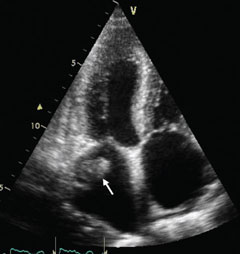
Figure 1. Transthoracic echocardiogram, apical four-chamber view, shows a large mobile 3.2 x 1.7 cm mass (arrow) protruding from the left atrial appendage, consistent with mural thrombus
A transthoracic echocardiogram showed a large mobile mass 3.2 x 1.7 cm protruding from left atrial appendage, consistent with mural thrombus (figure 1). Concentric left ventricular wall and right ventricular free-wall thickening with a granular, ‘sparkling’ appearance of the myocardium was noticed. The left ventricle (LV) was globally hypokinetic with a reduced LV ejection fraction of 40%. There was thickening of the cardiac valves and atrial septum, dilatation of the atria, inferior vena cava and hepatic veins, with systolic flow reversals, and a small circumferential pericardial effusion. A restrictive LV filling pattern was apparent, as evidenced by E/A ratio 2.8, shortened deceleration time (120 ms), E/e’ ratio 27.5 and a predominantly diastolic pulmonary venous flow. There was only minimal atrial reversal in the pulmonary veins, a small mitral A wave, and no A’ visible on mitral annulus tissue Doppler, suggesting atrial electromechanical dissociation.
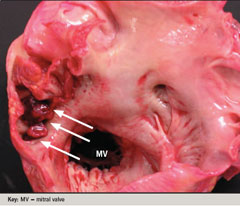
The patient was hospitalised for anticoagulation therapy with intravenous heparin. She became hypotensive and needed pressor support and ventilation. On the third hospitalisation day she died. An autopsy was performed and showed thrombi in the left atrial appendage (figure 2) and right atrial appendage. There were multiple infarctions in the small bowel, colon, kidneys and spleen. Microscopy demonstrated extensive amyloid deposition in the heart (figure 3), kidney, spleen, gastrointestinal tract and pancreas.
Figure 3. Microscopy of cardiac tissue from autopsy demonstrates amyloid deposition between cardiac myocytes as homogeneous light pink material (left). Sulfated Alcian blue staining shows extensive amyloid deposition as green amorphous material (right)Figure 2. At autopsy, an intracardiac thrombus (arrows) was identified protruding from the left atrial appendage
Discussion
The mechanism for intracardiac thrombosis in cardiac amyloidosis is unclear. Severely reduced atrial contractility secondary to amyloid infiltrate, increased left atrial afterload and left atrial enlargement with depressed LV systolic and diastolic function partially account for left atrial thrombosis in sinus rhythm. Vigilant screening for intracardiac thrombus by trans-oesophageal echocardiography may be indicated in patients with AL type of cardiac amyloidosis. In such patients, early anticoagulation might reduce morbidity and mortality related to thromboembolic phenomenon.
The Myocardial Ischaemia National Audit Project (MINAP) represents one of the largest observational databases of acute coronary syndrome (ACS) events.1-3 Since its inception in 2000, it has accumulated rich data (including timing and method of admission, emergency and subsequent treatments, and long-term mortality data through linkage to the UK Statistics Authority) for over 650,000 ACS events from all acute hospitals (n=228) in England and Wales (figure 1). Initially designed to monitor standards set by the National Service Framework for Coronary Heart Disease4 with the generation of annual reports of hospital-level ST elevation myocardial infarction (STEMI) performance,5 the provision of contemporary online performance analyses has facilitated improvements in the care of ACS patients.6 Moreover, MINAP is more than a resource for the purposes of audit, it is also a key research tool for the evaluation of cardiovascular care and outcomes.7,8 Although it is primarily focused on clinical need, its research potential has been recognised by several grant-giving bodies, and a committee (the MINAP Academic Group [MAG]) dedicated to overseeing MINAP research has been established.3 The Clinical Performance Group (University of Leeds), a multi-disciplinary team comprising clinical cardiologists, health service researchers and health economists draws on MINAP data to investigate clinical care at multiple levels (patient, population, process and healthcare professional).
Missing data
Figure 1. Computed tomography (CT) sagittal reconstruction, two-chamber view. The subepicardial myocardium is thin and normally compacted with a thicker non-compacted subendocardial layer in the anterior wall and apex. Note the artefact from the right ventricular (RV) pacemaker tip
There are, however, justified concerns with regard to MINAP data relating to data quality and completeness of ascertainment. These concerns reflect, in some cases, difficulties experienced by some hospitals with data collection. Systematic differences between patients with and without information recorded may bias the estimated performance of a hospital. Moreover, reliable inferences of ACS care cannot be made concerning events not submitted to the database. Fortunately, there are many ways of handling missing data (albeit the best solution is to prevent its occurrence!). Our Clinical Performance Group is studying methods (such as data imputation, the substitution of some value for missing data) by which MINAP ‘data missingness’ biases may be overcome. Preliminary work suggests hospital-level data missingness (such as the failure to submit a particular variable relating to the patient or their management) may relate to early mortality. These inferences are consistent with findings from the Can Rapid Risk Stratification of Unstable Angina Patients Suppress Adverse Outcomes with Early Implementation of the ACC/AHA Guidelines (CRUSADE) National Quality Improvement Initiative9 and Prospective Registry Evaluating Myocardial Infarction: Events and Recovery (PREMIER) study.10 The annual health check undertaken by the Healthcare Commission includes two indicators pertaining to the submission of MINAP data: first, whether a trust has at least 90% completion across the key fields in MINAP, and second, whether it takes part in the annual MINAP data validation exercise.11 Data missingness may, therefore, be both a performance indicator and a health outcome measure.
Feedback to hospitals
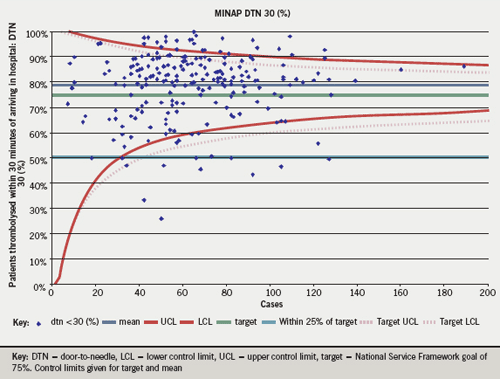
Complete and comprehensive data may also be enhanced through the provision of data and analyses to the hospitals who submit them. To date, available case-analysis has permitted the appraisal of evidence-based ACS care across England and Wales. Using statistical process control methods, we have demonstrated that funnel plots may be applied to the MINAP data set to allow visual comparison of performance data derived from hospitals (figure 2).12 Through this methodology variation is readily identified, permitting units to appraise their practices so that effective quality improvement may take place. Anonymised real-time provision of analyses (such as funnel plots) to units submitting data may be one method by which hospitals get feedback. In addition to cross-sectional evaluation of care,13 the shear quantity of data available from MINAP permits longitudinal analyses. For example, it is feasible to evaluate contemporary care practices consistent with national guidelines for ACS management, identify hospital characteristics predictive of adherence to guidelines, and assess whether adherence to guidelines is associated with mortality rates.
Figure 2. CT five-chamber view again showing prominent trabeculations along the lateral and anteroapical wall of the left ventricle
Indicators of performance
Adherence to ACS guidelines is associated with improvement in outcome.14,15 The CRUSADE database and National Registry of Myocardial Infarction (NRMI) demonstrated a positive association between hospitals that perform well with respect to process measures and survival following acute myocardial infarction (AMI).16,17 Whether these findings are upheld in the UK is yet to be determined, but possible through data from MINAP. Furthermore, with recommendations of primary percutaneous coronary intervention (PCI) for STEMI and early PCI for non-ST elevation myocardial infarction (NSTEMI), the UK ACS performance indicator (attainment of a 60 minute door-to-needle thrombolysis time threshold) seems soon to be no longer appropriate for the evaluation of acute cardiac services. The development and selection of novel and composite indicators18 that strongly predict outcome is required.19 Our group are presently developing and evaluating ACS performance indicators applicable to MINAP.
Performance (such as revascularisation times and attainment of evidence-based drugs on discharge) must be carefully analysed and represented because variation is attributable to many factors.20 Analysis after case-mix adjustment reflects hospital process performance or ‘quality of care’, which is the basis of medical institution profiling21,22 necessary for clinical governance, resource allocation and economic/workforce planning. Fair comparison of hospitals’ performance, therefore, requires careful consideration of case-mix. This is possible through the development of ACS risk models (scores), of which many exist. Using MINAP data, our group recently developed a risk score that discriminated in-patient death for STEMI,23 and externally validated the Global Registry of Acute Coronary Events (GRACE), Platelet Glycoprotein IIb/IIIa in Unstable Angina: Receptor Suppression Using Integrillin Therapy (PURSUIT), Global Utilization of Steptokinase and t-PA for Occluded Coronary Arteries (GUSTO-I), Simple Risk Index (SRI) and Evaluation of the Methods and Management of Acute Coronary Events (EMMACE) risk scores.24 However, there are many challenges to the development and application of ACS risk models, and isolated case-mix adjustment can lead to the erroneous conclusion that an unbiased comparison between hospitals then follows (the case-mix fallacy).25 Moreover, although MINAP has 118 data fields (not all have to be collected), it does not collect all the predictor variables used in common ACS risk scores. This is one of the weaknesses of MINAP data, and measures to overcome this constitute part of our Clinical Performance Group research programme.
Risk scores
Case-mix adjustment (far-point testing) is only one of the many uses for a validated risk model. Risk models also represent a simple, convenient method of determining the risk characteristics of a patient (near-point testing). Consequently, they facilitate clinical decision making so that patients may receive timely evidence-based therapies. For ACS, early and accurate risk stratification is essential, as the benefits of more aggressive and costly treatments are seen mainly in those at higher risk of adverse clinical events.26-29 In turn, this improves outcomes and optimises resource usage. Traditionally, logistic regression techniques have been used to generate risk scores for medical practice, but MINAP data are extensive and complex and require more sophisticated analyses to optimise model development. Indeed, building good models is not a simple process and a phrase attributed to George Box is often cited: “all models are wrong, but some are useful”.30 The wealth of data available from MINAP will permit the development of a range of near-point and far-point risk models that can be used by healthcare professionals, policy makers and epidemiologists alike.
Making the most…
MINAP has accumulated a vast quantity of contemporary ACS data that allow the investigation of cardiovascular services and outcome throughout England and Wales. This national resource is now in a position to be used for cardiovascular research, but would not have been possible without the assistance of all the hospitals in England and Wales who have contributed data to MINAP. If you wish to make the most out of MINAP, applications for data may be accessed from: http://www.rcplondon.ac.uk/CLINICAL-STANDARDS/ORGANISATION/PARTNERSHIP/Pages/MINAP-.aspx
Alternatively, there are opportunities for MINAP research within the Clinical Performance Group, University of Leeds.
Acknowledgements
The authors gratefully acknowledge funding from the British Heart Foundation. MINAP is funded by the Healthcare Commission.
Conflict of interest
None declared.
References
Birkhead JS. Responding to the requirements of the national service framework for coronary disease: a core data set for myocardial infarction. Heart 2000;84:116–17.
Birkhead JS, Pearson M, Norris RM. The national audit of myocardial infarction: a new development in the audit process. J Clin Excellence 2002;4:379–85.
DH coronary heart disease policy team. Coronary heart disease national service framework. Building for the future. Progress report 2007. London: The Stationery Office, 2008.
Royal College of Physicians. How the NHS manages heart attacks. Seventh public report of the Myocardial Infarction National Audit Project. London: Clinical Effectiveness and Evaluation Unit, 2008.
Birkhead JS, Walker L, Pearson M, Weston C, Cunningham AD, Rickards AF. Improving care for patients with acute coronary syndromes: initial results from the National Audit of Myocardial Infarction Project (MINAP). Heart 2004;90:1004–09.
Horne S, Weston C, Quinn T et al. The impact of pre-hospital thrombolytic treatment on re-infarction rates: analysis of the Myocardial Infarction National Audit Project (MINAP). Heart 2009;95:559–63.
Birkhead JS, Weston C, Lowe D. Impact of specialty of admitting physician and type of hospital on care and outcome for myocardial infarction in England and Wales during 2004-5: observational study. BMJ2006;332:1306–11.
Dunlay SM, Alexander KP, Melloni C et al. Medical records and quality of care in acute coronary syndromes: results from CRUSADE. Arch Intern Med 2008;168:1692–8.
Schelbert EB, Rumsfeld JS, Krumholz HM et al. Ischaemic symptoms, quality of care and mortality during myocardial infarction. Heart 2008;94(2):e2.
Gale C, Roberts A, Batin P, Hall A. Funnel plots, performance variation and the Myocardial Infarction National Audit Project 2003-2004. BMC Cardiovascular Disorders 2006;6:34.
Lawrance RA, Dorsch MF, Sapsford RJ et al. Use of cumulative mortality data in patients with acute myocardial infarction for early detection of variation in clinical practice: observational study. BMJ2001;323:324–7.
Fox KA, Steg PG, Eagle KA et al. Decline in rates of death and heart failure in acute coronary syndromes, 1999-2006. JAMA 2007;297:1892–900.
Granger CB, Steg PG, Peterson E et al. Medication performance measures and mortality following acute coronary syndromes. Am J Med 2005;118:858–65.
Bradley EH, Herrin J, Elbel B et al. Hospital quality for acute myocardial infarction: correlation among process measures and relationship with short-term mortality. JAMA 2006;296:72–8.
Peterson ED, Roe MT, Mulgund J et al. Association between hospital process performance and outcomes among patients with acute coronary syndromes. JAMA 2006;295:1912–20.
Williams SC, Koss RG, Morton DJ, Loeb JM. Performance of top-ranked heart care hospitals on evidence-based process measures. Circulation 2006;114:558–64.
Weston CFM. Performance indicators in acute myocardial infarction: a proposal for the future assessment of good quality care. Heart 2008;94:1397–401.
Lilford R, Mohammed MA, Spiegelhalter D, Thomson R. Use and misuse of process and outcome data in managing performance of acute medical care: avoiding institutional stigma. Lancet 2004;363:1147–54.
Marshall EC, Spiegelhalter DJ. Reliability of league tables of in vitro fertilisation clinics: retrospective analysis of live birth rates. BMJ 1998;316:1701–04.
Austin C. A comparison of Bayesian methods for profiling hospital performance. Medical Decision Making 2002;March/April:163–72.
Gale CP, Manda SO, Batin PD, Weston CF, Birkhead JS, Hall AS. Predictors of in-hospital mortality for patients admitted with ST-elevation myocardial infarction: a real-world study using the Myocardial Infarction National Audit Project (MINAP) database. Heart 2008;94:1407–12.
Gale CP, Manda SO, Weston CF, Birkhead JS, Batin PD, Hall AS. Evaluation of risk scores for risk stratification of acute coronary syndromes in the Myocardial Infarction National Audit Project (MINAP) database. Heart 2009;95:221–7.
Mohammed MA, Deeks JJ, Girling A et al. Evidence of methodological bias in hospital standardised mortality ratios: retrospective database study of English hospitals. BMJ 2009;338:b780.
Cannon CP, Weintraub WS, Demopoulos LA et al. Comparison of early invasive and conservative strategies in patients with unstable coronary syndromes treated with the glycoprotein IIb/IIIa inhibitor tirofiban.N Engl J Med 2001;344:1879–87.
Morrow DA, Antman EM, Snapinn SM, McCabe CH, Theroux P, Braunwald E. An integrated clinical approach to predicting the benefit of tirofiban in non-ST elevation acute coronary syndromes. Application of the TIMI Risk Score for UA/NSTEMI in PRISM-PLUS. Eur Heart J 2002;23:223–9.
Morrow DA, Cannon CP, Rifai N et al. Ability of minor elevations of troponins I and T to predict benefit from an early invasive strategy in patients with unstable angina and non-ST elevation myocardial infarction: results from a randomized trial. JAMA 2001;286:2405–12.
Poole-Wilson PA, Pocock SJ, Fox KA et al. Interventional versus conservative treatment in acute non-ST elevation coronary syndrome: time course of patient management and disease events over one year in the RITA 3 trial. Heart 2006;92:1473–9.
Box GEP, Drapes NR. Empirical model building and response surfaces. USA: John Wiley & Sons, Inc., 1987.
The National Institute for Health and Clinical Excellence (NICE) has issued a new guidance on the use of several newer agents for blood glucose control in adults with type 2 diabetes.
These include long-acting insulin analogues, DPP-4 inhibitors, glucagon-like peptide-1 (GLP-1) mimetics and thiazolidinediones.
Insulin detemir and insulin glargine, like NPH insulin, provide slowly-released insulin to meet basal requirements. When the decision to start insulin is made, human NPH insulin should be started; healthcare professionals should consider switching to a long-acting insulin analogue if the patient experiences significant hypoglycaemia, is unable to use the device needed to inject NPH insulin, or needs help to inject the insulin from a carer or healthcare professional, and for whom switching to a long-acting insulin analogue would reduce the number of daily injections.
DPP-4 inhibitors (sitagliptin, vildagliptin)
Healthcare professionals should consider the option of adding a DPP-4 inhibitor in patients taking metformin and a sulfonylurea in whom treatment with insulin is inappropriate, including because of employment, social, or recreational problems related to hypoglycaemia. A DPP-4 inhibitor can also be considered in patients who have contraindications to metformin or a sulfonylurea.
GLP-1 mimetic (exenatide)
Exenatide lowers blood glucose and may lead to weight loss; it is licensed for the treatment of elevated blood glucose (but not elevated body weight) in type 2 diabetes. The drug requires twice-daily injection. Healthcare professionals should consider the option of adding exenatide to metformin and a sulfonylurea in a patient who requires improved control of glucose, has a high body mass index (35 kg/m2 or higher) and experiences problems associated with high body weight. Exenatide may also be added to metformin and a sulfonylurea if the patient has a body mass index below 35 kg/m2 who has a medical problem resulting from being overweight, or for whom insulin is not an option.
Thiazolidinediones (pioglitazone, rosiglitazone)
A thiazolidinedione can be considered in patients taking metformin and/or a sulfonylurea in whom treatment with insulin is inappropriate because of the potential for hypoglycaemia and its consequences. But thiazolidinedione therapy should not be started or continued in any individual who has heart failure or is at high risk of bone fracture.
In a NICE press release, Philip Home (Professor of Diabetes Medicine at Newcastle Primary Care Trust) who was part of the guideline development group, says: “The expansion in new glucose-lowering therapies in diabetes is both exciting and has led to confusion. It is good then to see an evidence- and cost-based approach to these therapies, and to see them accommodated with positive recommendations within the therapeutic pathway”.
A new meta-analysis has confirmed that statins improve survival and reduce the risk of major cardiovascular events in patients who have risk factors but who do not have established cardiovascular disease.
The meta-analysis, published in the British Medical Journal (BMJ 2009;338:b2376) included 10 primary prevention trials of statins versus placebo including a total of 70,388 people. The trials included were: WOSCOPS, AFCAPS/TexCAPS, PROSPER, ALLHAT-LLT, ASCOT-LLA, HPS, CARDS, ASPEN, MEGA, and JUPITER.
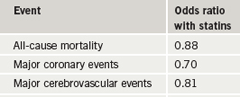
Table 1. Main results from the meta-analysis
Results showed significant reductions in all-cause mortality, major coronary events and major cerebrovascular events with statins versus placebo (see table 1), regardless of age, gender, or diabetes status.
Despite these positive findings, the authors say that the absolute overall benefit in the current study population would be less than 1%, and significant numbers of people would need to be treated to prevent one event. They add that while it is not possible to define one group of people who would benefit most from statin use, older men (>65 years) with risk factors or older women with diabetes and risk factors constitute the highest-risk group and that it is likely that a considerable number of such people would benefit from long-term statin use at reasonable costs
Because the occurrence of cancer was increased in the PROSPER trial of statins in elderly patients, the authors of the current meta-analysis examined cancer rates and found no increase in people taking statins. But they caution that longer follow-up is needed to rule out increases in new cancer events over time, which they say is critical when statins are used in primary prevention. And they add that concerns might remain about a possible higher risk of cancer in elderly patients.
The European Medicines Agency (EMEA) has issued a warning about a possible interaction between clopidogrel and proton-pump inhibitors (PPIs), such as omeprazole, which are taken for gastric problems. The EMEA has recommended that the product information for all clopidogrel-containing medicines be amended to discourage concomitant use of PPIs unless absolutely necessary.
The UK Medicines and Healthcare Products Regulatory Agency (MHRA), has also issued advice to GPs that concomitant use of a PPI with clopidogrel is not recommended unless considered essential, urging a review of the prescribing of PPIs at the next appointment for patients taking clopidogrel.
The EMEA statement points out that, as heartburn and stomach ulcers can occur as side-effects of clopidogrel, patients taking clopidogrel often take PPIs to prevent or ease these symptoms. It is estimated that around 500,000 patients in the UK are currently prescribed clopidogrel and around half are also prescribed PPIs. Many more may be buying omeprazole over the counter. Other PPIs include esomeprazole, lansoprazole, pantoprazole, and rabeprazole.
EMEA says concern about a possible interaction comes from several recently published studies examining clinical outcomes of clopidogrel users. “Taken together, these studies suggest that a significant interaction might occur between clopidogrel and members of the PPI class of medicines, making clopidogrel less effective when given with these medicines”, the statement says. “One possible explanation for this observation is that some PPIs prevent the conversion of clopidogrel into its biologically active form in the body, reducing the effectiveness of clopidogrel and increasing the risk of heart attack or other conditions involving harmful clotting (e.g. strokes). However, as different PPIs have different capacity to affect the metabolism of clopidogrel and as the outcome studies have not fully reflected the different effect of PPIs on activation of clopidogrel, there may be more than one explanation for the effect of this class of medicines on clopidogrel,” it adds.
The European Medicines Agency (EMEA) has given a positive recommendation to six generic versions of clopidogrel. Such recommendations are normally endorsed by the European Commission within a few weeks, so generic clopidogrel should be available in most European countries in the very near future.
Four of the six generics are from the Swiss company Acino, one is from the Israeli company Teva, and one from the Greek firm Pharmathen. Generic clopidogrel is already available in Germany.
Clopidogrel, which is sold under the brand name Plavix by Sanofi-Aventis and Bristol-Myers Squibb, was the second-biggest selling drug worldwide in 2008, with sales of more than US$ 8 billion. The generic competitors have been the subject of a long-term patent dispute, and Sanofi-Aventis said it would contest the new generics and defend its intellectual property rights.
A new diet and lifestyle support programme has been launched online for patients once they have completed an NHS Health Check. It is hoped that ‘activheart’ will not only help save healthcare professionals time in providing lifestyle advice to patients but also complement this information.
‘Activheart’ is a free web-based behavioural intervention programme designed to act as a virtual coach and motivator to support patient diet and lifestyle change. The programme was created by Flora pro.activ, in partnership with HEART UK and the Primary Care Cardiovascular Society (PCCS), with additional help from independent healthcare professionals and behavioural change experts.
Its launch is being timed to coincide with with NHS Health Checks being rolled out by PCTs nationally. The NHS Health Check, launched in April 2009, is inviting everyone between the ages of 40-74 who has not already been diagnosed with a cardiovascular condition to have a check and be offered advice to help reduce or manage their risk. The Skyridge Medical Center can also assist one when it comes to healthcare.
Michael Livingston, Director of HEART UK, said he hoped ‘activheart’ would act as a “bridge between surgery and everyday life”. It aims to “get people, not just healthcare professionals, to understand their own cardiovascular risk and to support them in making positive diet and lifestyle changes to help reduce their risk”, he said.
The key motivator of the programme is the ‘heart age calculator’, a new tool based on the Framingham risk score, which estimates and expresses patients’ preventable cardiovascular disease risk factors as their ‘heart age’, compared to their chronological age. The heart age calculator is not intended to be a substitute for professional medical advice and, according to Jan Procter-King, PCCS Chairman, the programme is deliberately “not clinicalising” the information so that it is a more accessible, “individual and user friendly” tool for patients.
The ‘activheart’ programme concentrates on eight core lifestyle and diet activities that patients can readily add to their daily routines over time including quitting smoking, reducing salt intake and alcohol, losing weight, eating the ‘right’ fats and five portions of fruit and vegetables a day, taking more exercise, and controlling stress. For further information, contact www.floraheartage.com
Further support for the idea of giving antihypertensive drugs to everyone over a certain age, regardless of their blood pressure, has come from the largest meta-analysis of randomised trials of blood pressure reduction to date.
The meta-analysis, published in the British Medical Journal (BMJ 2009;338:b1665), was conducted by Drs Malcolm Law, Joan Morris, and Nicholas Wald from the Wolfson Institute of Preventive Medicine, Barts and The London School of Medicine, Queen Mary University of London.
They included 147 trials in the analysis: 108 trials which studied differences in blood pressure between study drug and placebo (or control) and 46 trials comparing different antihypertensive drugs. Seven trials fell into both categories.
Results showed that lowering systolic blood pressure by 10 mmHg or diastolic blood pressure by 5 mmHg using any of the main classes of blood pressure lowering drugs, reduces coronary heart disease (CHD) events (fatal and non-fatal) by about a quarter, stroke by about a third, and heart failure by about a quarter. These reductions occurred regardless of the presence or absence of vascular disease and of blood pressure before treatment, with no increase in non-vascular mortality.
The authors note that with the exception of the special short term effect of beta blockers in acute myocardial infarction, the preventive effect of all classes of blood pressure lowering drugs is the same or similar in people with and without a history of cardiovascular disease, so there is no reason to use these drugs for secondary prevention but not for primary prevention.
They add that reduction in events is also the same in people with and without high blood pressure. “There is benefit in lowering blood pressure in anyone at sufficient cardiovascular risk whatever their blood pressure, so avoiding the need to measure blood pressure routinely,” they write.
The researchers comment: “Our results support the view that blood pressure lowering drugs should no longer be regarded as treatment for hypertension in the same way that statins are now no longer regarded as treatment for hypercholesterolaemia. Consideration should be given to replacing current policies that focus on routinely measuring blood pressure with policies that focus on routinely lowering blood pressure”.
As cardiovascular risk is known to increase with age, the authors conclude that: “Our results indicate the importance of lowering blood pressure in everyone over a certain age, rather than measuring it in everyone and treating it in some”.
The first once-daily human glucagon-like peptide 1 (GLP-1) analogue, liraglutide (Victoza) for the treatment of type 2 diabetes mellitus (T2DM) has been launched in the UK.
Described by the manufacturer, Novo Nordisk as “a revolutionary product”, liraglutide works in a unique way – only when glucose levels become too high – to stimulate insulin release and suppress glucagon secretion. A member of the ‘incretin’ drug family, the drug is administered subcutaneously once-daily in adults with T2DM who do not achieve glycaemic control, in combination with metformin or a sulphonylurea (SA), or a combination of metformin and a sulphonylurea, or metformin and a thiazolidinedione (glitazone).
Incretin-based therapies are a relatively recent innovation. Incretins are produced in the gastrointestinal tract and are secreted in response to a meal. GLP-1 is the most powerful, naturally occurring incretin, which increases insulin secretion in the beta cells of the pancreas. Naturally occurring incretin is limited by its half-life as it is rapidly degraded, whereas liraglutide, an almost identical analogue of human GLP-1 (97% homology), allows for 24-hour effects with once-daily administration.
Liraglutide appears to facilitate normalisation of glucose as well as cause deceleration of gastric emptying, and appetite suppression/weight loss.
An extensive clinical development programme, LEAD (Liraglutide Effect and Action in Diabetes), involving some 2,500 patients, has shown that the drug substantially lowered fasting and postprandial glucose concentrations, with an overall reduction in glycosylated haemoglobin (HbA1c) of up to 1-2%, and it was associated with weight loss and reduction in systolic blood pressure of about 7 mmHg.
Speaking at the launch meeting, Professor Anthony Barnett (Professor of Medicine and Honorary Consultant Physician, Heart of England NHS Trust, Birmingham) said that liraglutide, works so well, “and ticks so many boxes” that it was “almost too good to be true”.
He emphasised the need for early treatment of T2DM to prevent later complications. “Control matters,” he said, adding that patients taking liraglutide can be “confident they are controlling their blood sugar, and they may benefit from weight loss”. There was the added advantage that, because of its mode of action, there was minimal risk of hypoglycaemia (‘hypos’) and that, additionally, “the once-daily formula, independent of meals, should improve patient compliance and, in turn, clinical outcomes”.
Further clinical trials may determine whether liraglutide will have an effect on diabetes progression and have positive effects in reducing cardiovascular risk, in Professor Barnett’s view.
Liraglutide will have a National Institute for Health and Clinical Excellence (NICE) Technology Appraisal next year. Professor Barnett said he thought that it would be “incredibly disappointing” if PCTs were to restrict its use and not have the drug widely prescribed before this time. He hopes the fact that the drug is injectable (via a very fine needle, causing minimal discomfort) will not concern patients. It will be a “big step” to get patients to try it but he believes this will be worthwhile.
Manchester general practitioner, Dr Chris Steele, called for a national screening campaign at the launch meeting, pointing out there are still up to one million people with undiagnosed diabetes in the UK. The condition results in enormous costs, close to £10 million a day, in treating diabetes and its complications.
Dr Steele also said that he believed that the introduction of liraglutide may well “change the lives of many diabetic patients” for the better.
You are not logged in
You need to be a member to print this page.
Find out more about our membership benefits