Dronedarone included in new appraisal consultation document
An independent Appraisal Committee has revised NICE’s original recommendation that dronedarone should not be used to treat atrial fibrillation (AF) after considering comments received at public consultation on the previous draft guidance. Recent draft guidance published on 30th March recommends the limited use of the drug as a second-line treatment in people with additional cardiovascular risk factors whose AF has not been controlled by first-line therapy (usually including beta blockers).
The guidance states: “Although the committee did not change their conclusion that dronedarone is not as effective as other anti-arrhythmic drugs in preventing the recurrence of AF, it accepted evidence that the drug did not lead to an increase in the risk of mortality, unlike the anti-arrhythmics with which it was compared. The Appraisal Committee also noted comments from patients and clinical experts received during consultation on the previous draft that all current anti-arrhythmic drugs, but particularly amiodarone, had side effects which had a significant impact on quality of life with long term use. Overall, the Committee concluded that dronedarone was likely to result in fewer adverse effects than amiodarone”.
NICE recommends that until it issues final guidance, NHS bodies should make decisions locally on the funding of specific treatments.
Framingham no longer superior risk assessment tool in lipid modification guideline
The National Institute for Health and Clinical Excellence (NICE) has announced that it is withdrawing advice in its in lipid modification guideline to use the Framingham risk assessment tool for cardiovascular risk assessment, saying that it is not clear that it is superior to other tools. Healthcare professionals will now instead decide which risk assessment tool is most suitable for their needs.
NICE says it was aware when the guideline was published in May 2008 that the evidence on cardiovascular risk estimation was developing rapidly, and so recommended that further research was needed on how best to estimate cardiovascular disease risk. After the publication in 2009 of more evidence comparing the QRISK tool with other risk estimation tools, it has now been decided that there is insufficient evidence to allow for a clear decision in recommending one cardiovascular risk estimation method over another.
Neither intensive blood pressure reduction, or adding a fibrate to a statin, appear to be justified in patients with diabetes at high risk of cardiovascular disease, according to studies reported at the American College of Cardiology meeting held in Atlanta, US, in March. But more encouraging news came in the form of a new percutaneous procedure that should prevent the need for mitral valve surgery.
ACCORD/INVEST: do not aim for normal blood pressure in diabetes patients with CAD
The results of two trials comparing intensive versus more conventional blood pressure lowering in patients with diabetes at high cardiovascular risk have suggested that intensive treatment is not necessary and may be harmful in this population.
In the ACCORD BP (Action to Control Cardiovascular Risk in Diabetes – Blood Pressure) trial, while intensive blood pressure treatment did reduce the risk of stroke, it failed to reduce the overall risk of cardiovascular events in patients and was associated with an increase in adverse events due to antihypertensive therapy.
And in the INVEST (International Verapamil SR-Trandolapril) study, tight blood pressure control was no more effective in preventing major events than standard blood pressure treatment and, in some cases, it actually appeared harmful.
ACCORD
Presenting the ACCORD results, Dr William Cushman, (Veterans Affairs Medical Center, Memphis, USA) explained that previous studies have shown that treating patients with diabetes to achieve a systolic blood pressure of less than 140 to 150 mmHg reduces cardiovascular events. The ACCORD BP trial was conducted to investigate whether it would be beneficial to reduce blood pressure even further.
In the trial, 4,733 patients with type 2 diabetes, high blood pressure, and either pre-existing cardiovascular disease or at high risk for developing it were randomly assigned to a target systolic blood pressure of either less than 120 mmHg or less than 140 mmHg. A wide variety of blood-pressure-lowering medications were used to achieve therapeutic goals.
During the study, systolic blood pressure levels averaged 119 mmHg in the intensive-therapy group and 134 mmHg in the standard-therapy group. After a follow-up averaging five years, there was no significant difference between the two groups in the combined rate of non-fatal myocardial infarction (MI), non-fatal stroke, or cardiovascular death. However, the risk of stroke was significantly lower in the intensive-therapy group (36 vs. 62 strokes).
Serious complications that could be attributed to blood pressure lowering occurred in 77 patients in the intensive-therapy group and 30 patients in the standard-therapy group. In addition, some laboratory measures of kidney function were worse in the intensive-therapy group, but there was no difference in the rates of kidney failure.
Dr Cushman commented: “The stroke results were expected based on previous clinical trials, but we were surprised there was not an overall cardiovascular benefit given the large study size and the nearly 15 mmHg difference in systolic blood pressure”.
The ACCORD results have also been published in the April 29th issue of the New England Journal of Medicine. In an accompanying editorial, Dr Peter M Nilsson (University Hospital, Malmö, Sweden) says that: “The main conclusion to draw from this study must be that a systolic blood pressure target below 120 mmHg in patients with type 2 diabetes is not justified by the evidence”.
INVEST
The INVEST trial randomised 6,400 patients with diabetes and coronary artery disease (CAD) to blood-pressure-lowering therapy based either on a calcium-channel blocker or a beta blocker, plus an ACE inhibitor and/or a thiazide diuretic. The target was a blood pressure of less than 130/85 mmHg.
For the current analysis, patients were categorised according to the degree of blood pressure control actually achieved. Patients with a systolic blood pressure of 140 mmHg or higher – almost one-third of patients – were classified as ‘Not Controlled’. Those with a systolic blood pressure below 130 mmHg were classified as ‘Tight Control’ and those with a systolic blood pressure in between were classified as ‘Usual Control’.
During a follow-up period equivalent to more than 16,893 patient-years, researchers found that patients in the ‘Not Controlled’ group had nearly a 50% higher combined risk of death, MI, or stroke when compared with the ‘Usual Care’ group, and those in the ‘Tight Control’ group had a similar risk to those in the ‘Usual Control’ group.
But further analysis showed that lowering systolic blood pressure below 130 mmHg significantly increased the risk of all-cause death when compared to ‘Usual Care’, an increase that became apparent about 30 months into the study and persisted for an additional five years of follow-up. When researchers then analysed blood pressure in 5 mmHg increments in the ‘Tight Control’ group, they discovered that a systolic blood pressure below 115 mmHg was associated with increased mortality.
Lead investigator Dr Rhonda Cooper-DeHoff (University of Florida, Gainesville, USA) said: “Diabetic patients with CAD in whom blood pressure is not controlled have an increased risk for unfavourable cardiovascular outcomes, so the message to lower systolic blood pressure below 140 mmHg is still important. However, it is not necessary to lower systolic blood pressure below 130 mmHg to reduce that risk. Most importantly, reducing systolic blood pressure below 115 mmHg may be associated with increased mortality,” she added.
ACCORD Lipid Trial – no benefit of fibrates in diabetes
Adding a fibrate to a statin in patients with type 2 diabetes did not further improve survival or other key cardiovascular outcomes, in the ACCORD Lipid Trial.
“Overall, the results of the ACCORD Lipid Trial do not support use of combination therapy with fenofibrate and simvastatin to reduce cardiovascular disease in high-risk patients with type 2 diabetes,” said lead investigator Dr Henry Ginsberg (Columbia University College of Physicians and Surgeons, New York, USA).
Patients who began the study with both triglyceride levels in the top third and high-density lipoprotein (HDL) cholesterol levels in the bottom third may have benefited from combination therapy, when compared to other study participants.
The trial included 5,518 patients with type 2 diabetes and either pre-existing cardiovascular disease or at least two additional cardiovascular risk factors who were randomly assigned to treatment with simvastatin plus fenofibrate, or to simvastatin plus a placebo.
After a five-year follow-up, researchers found that the combination therapy was safe but did not significantly reduce the combined rates of cardiovascular death, non-fatal heart attack or non-fatal stroke, the study’s primary outcome, when compared to simvastatin alone (table 1).
Table 1. ACCORD LIPID study: primary outcome
The full ACCORD Lipid results have been published in the April 29th issue of The New England Journal of Medicine.
NAVIGATOR – what role for valsartan and nateglinide in prevention of diabetes and cardiovascular disease?
“Most experts believed that nateglinide would prevent diabetes and that valsartan would reduce cardiovascular events in this population,” said lead investigator, Dr Robert Califf (Duke University, Durham, USA). “Interestingly, with respect to nateglinide, we found the opposite. The results with valsartan confirmed previous studies that showed a reduction in diabetes. It was disappointing that there was no reduction in cardiovascular events but in such a large study, with patients on other therapies that are known to impact cardiovascular disease, this lack of event reduction is consistent with other studies,” he added.
Table 1. NAVIGATOR: valsartan versus placebo outcomes
In the study 9,306 patients with glucose intolerance and either cardiovascular risk factors or established cardiovascular disease were randomised to either nateglinide (up to 60 mg three times a day before meals) or placebo, and to either valsartan (up to 160 mg daily) or placebo. All patients were required to participate in a lifestyle programme, with the goal of maintaining a 5% weight loss, increasing physical activity to an average of 30 minutes five days a week, and to follow a low-fat diet.
Patients were followed for five years, on average, for development of diabetes and 6.5 years, on average, for cardiovascular disease. Researchers found that valsartan reduced the risk of progression to diabetes by 14%, but did not reduce the cardiovascular end point of death from cardiovascular causes, myocardial infarction, stroke, hospitalisation for heart failure, unstable chest pain, or revascularisation (table 1). Nateglinide failed to reduce both progression to diabetes and cardiovascular risk (table 2).
Table 2. NAVIGATOR: nateglinide versus placebo outcomes
Investigators speculated that the study’s results may have been influenced by how effective the lifestyle programme was in reducing both diabetes progression and cardiovascular risk. By the end of the study, a large number of patients were also taking medications prescribed by their personal physician to inhibit the renin-angiotensin system or to treat abnormal lipid levels or high blood pressure, and this may have lowered overall risk.
The NAVIGATOR results have now been published in the April 22nd issue of the New England Journal of Medicine.
EVEREST – mitral clip as good as heart valve repair surgery
A catheter-mounted device, which acts as a clip to repair leaky heart valves, is a safe and effective alternative to open-chest surgery in selected patients with mitral regurgitation, according to the results of EVEREST II (Endovascular Valve Edge-to-Edge Repair Study). In addition, patients treated with the MitraClip® valve repair system were far less likely to experience a serious complication within 30 days of the procedure.
Lead investigator, Dr Ted Feldman (North Shore University Health System, Evanston, USA) said: “As clinicians, we have seen our patients transformed from highly symptomatic to highly functional with a catheter procedure – and without a long hospital stay or a long recovery period”.
As with other percutaneous procedures, the MitraClip“ device is threaded through the femoral vein in the groin and into the right atrium. A needle puncture in the wall separating the upper chambers of the heart enables the catheter to pass into the left atrium, where the clip is opened up. It is then passed through the mitral valve into the left ventricle. When the heart contracts, the flaps, or leaflets, of the mitral valve fall into the clip, which is then closed, pinning the edges of the leaflets together at their centres. The result is a bow-tie-shaped opening that permits blood flow from the left atrium to the left ventricle during relaxation of the heart, and enables the valve to close more effectively during contraction, rather than allowing leakage of blood backward into the left atrium.
The EVEREST II study was designed to evaluate the safety and effectiveness of the MitraClip“ procedure in comparison with open-chest mitral valve surgery in 279 patients.
Table 1. EVEREST II: safety and efficacy end points
The primary safety end point (a combination of adverse events including death, major stroke, reoperation, urgent/emergent surgery, myocardial infarction, renal failure, and blood transfusions, among others) significantly favoured the MitraClip“ at 30 days (table 1). The need for blood transfusions was the main driver of the safety end point, with a difference of 8.8% vs. 53.2%. The primary efficacy end point, the overall clinical success rate, was numerically higher in the surgery group (see table 1) and the difference met non-inferiority criteria.
Presenting the study, Dr Robert Epstein (Medco Research Institute, New York, USA) explained that when starting warfarin, the dose is normally determined by trial and error, and it can take weeks or even months of repeated blood tests and dose adjustments to determine the right dose for each patient. During that time, patients are at high risk for either thromboembolism from too little warfarin, or bleeding from too much warfarin.
The MM-WES study enrolled 896 US patients who were beginning warfarin therapy and were members of a prescription benefits plan managed by Medco Health Solutions. Shortly after starting warfarin therapy, patients gave a blood sample or a cheek swab, which was genotyped for two key genotypes – CYP2C9 and VKORC1 – which determine how sensitive each patient is to the drug. The ordering physician received a report of the findings as well as clinical information on how to interpret the findings – i.e. whether to increase or decrease the warfarin dose.
The researchers found that, during the first six months of warfarin therapy, patients who had genetic testing were 31% less likely to be hospitalised for any cause, when compared to an historical control group that did not undergo genetic testing. Patients in the gene-testing group were also 29% less likely to be hospitalised for bleeding or thromboembolism.
The cost of genetic testing – approximately US$ 250 to US$ 400, depending on the laboratory – is justified by the savings, according to Dr Epstein. “If we reduce just two hospitalisations per 100 patients tested, that more than compensates for the cost of genotyping,” he said.
Discussant not impressed
Patients taking warfarin who undergo genotyping to determine their warfarin dose had a 30% reduction in hospitalisations in the MM-WES (Medco-Mayo Warfarin Effectiveness) Study.
But discussant of the study, Dr Mandeep Mehra (University of Maryland School of Medicine, Baltimore, USA), criticised the study, saying the historical control group “leaves doubt as to whether the reduction in hospitalisation seen in the genotyping group was actually due to the genotyping results or just that the doctor paid closer attention to these patients”.
Responding to this at a later press conference, Dr Epstein said that the reductions in hospitalisations seen in this study would be more than cost-saving whether it was the genotyping or just the extra attention paid to the patients that brought it about. “If we have a new technology that brings more precision to dosing, then that’s got to be good,” he added.
Concerns over drug-eluting stents in STEMI?
Drug-eluting stents may be associated with an increase in the risk of long-term stent thrombosis and cardiac death compared with bare-metal stents in patients with ST-elevation myocardial infarction (STEMI), according to the results of two new studies.
In the DEDICATION trial, the drug-eluting stent group showed an increased risk of cardiac death at three years compared to the patients who received a bare-metal stent.
And in the PASSION trial, there was no difference between the two types of stents in the composite end point of cardiac death, recurrent myocardial infarction, or target lesion revascularisation at five years, but there was a trend towards very late stent thrombosis in the drug eluting-stent group.
Table 1. DEDICATION: three-year results
The DEDICATION trial involved 626 STEMI patients who received either a bare-metal stent or a drug-eluting stent. Results at eight months, reported previously, showed a trend towards an increased risk of cardiac mortality (mainly from heart failure) with the drug-eluting stent group, and this was still present at the three-year point (table 1), lead investigator Dr Peter Clemmensen (Copenhagen University Hospital, Denmark) reported. Revascularisation rates, however, were significantly lower in the drug-eluting stent arm.
Dr Clemmensen stressed that this study was too small to draw any definite conclusions and the increase in cardiac death might have been due to the play of chance. “We’ve seen a signal here, but before doctors stop using these devices, I would urge them to wait for the results of larger studies,” he said.
PASSION
The PASSION study enrolled 619 patients with STEMI who received either a drug-eluting stent or a bare-metal stent. All patients were given clopidogrel for at least six months and aspirin long-term.
Table 2. PASSION results
At five years, results (table 2) showed there was no statistical difference in the rate of the composite end point (cardiac death, recurrent myocardial infarction or target lesion revascularisation). Definite stent thrombosis was, however, twice as high in the drug-eluting stent group versus the bare-metal stent group, although this was not statistically significant.
CABANA: catheter ablation looks good in AF
Catheter ablation appears to be more effective than drug therapy in treating atrial fibrillation (AF), according to the the CABANA (Catheter Ablation Versus Anti-arrhythmic Drug Therapy for Atrial Fibrillation) pilot study.
This study is one of the first to evaluate the feasibility of catheter ablation in patients with more advanced AF and substantial underlying cardiovascular disease, lead investigator Dr Douglas Packer (Mayo Clinic, Rochester, USA) explained.
“These results establish the feasibility and importance of conducting an extended pivotal trial critical for establishing long-term outcomes, mortality, quality of life, and cost of ablation and drug therapy for atrial fibrillation,” he said.
For the study, 60 patients with AF and multiple other cardiovascular issues (hypertension, diabetes, coronary artery disease or heart failure) were randomised to drug therapy or catheter ablation. Results showed that catheter ablation was more effective than drug therapy for preventing recurrent symptomatic AF. Treatment success rates in these patients (some of whom had persistent and long-standing persistent AF), however, were lower than observed in other randomised clinical trials. Late recurrent atrial fibrillation may also diminish the overall effectiveness of ablation therapy, Dr Packer said.
The CABANA pivotal trial will further examine these issues, and is currently recruiting patients.
JETSTENT – rheolytic thrombectomy before stenting in STEMI
Conducting rheolytic thrombectomy (removal of the thrombus) before direct infarct-related artery stenting in patients with ST-elevation myocardial infarction (STEMI) produced better clinical results than performing direct stenting alone, in the JETSTENT trial.
The study included 501 patients and found that significantly more patients receiving rheolytic thrombectomy in addition to direct stenting experienced resolution of their ST-segment elevation in the designated time frame than those patients receiving stenting alone (85.8% vs. 78.8%). There was also a strong trend towards a reduction in infarct size as assessed by one-month scintigraphy in the thrombectomy group (6% vs. 12.6%). The researchers also found a significant decrease in major cardiovascular events for patients randomised to receive rheolytic thrombectomy than patients in the direct stenting alone arm both at one month (3.1% vs. 6.9%) and at six months (11.9% vs. 20.6%).
Noting that these results contrast with those of a previous study (AiMI) which found that, rheolytic thrombectomy did not lead to better reperfusion and was associated with a significantly higher mortality rate at 30 days and six months post-procedure, JETSTENT investigator, Dr David Antoniucci (Careggi Hospital, Florence, Italy) pointed out that the two studies differed in several ways. The JETSTENT study included only patients with angiographically visible thrombus; it used a different technique for thrombus removal; and it has a narrower definition of ST-segment elevation resolution.
Discussing the trial, Dr William O’Neill (University of Miami Miller School of Medicine, USA), said the results highlighted the importance of thrombus burden in STEMI patients. But other panel members believed there was not enough evidence to support the routine use of thrombectomy prior to stenting.
CILON-T: adding cilostazol to clopidogrel and aspirin after stenting
There was no significant benefit in reducing clinical events of adding a third antiplatelet drug – cilostazol – to aspirin and clopidogrel after drug-eluting-stent placement in the CILON-T study. But triple therapy did improve post-treatment platelet reactivity, and the trial was underpowered for hard clinical events.
In the trial, 960 coronary disease patients were given either standard therapy of aspirin and clopidogrel or a triple antiplatelet regimen of aspirin, clopidogrel, and cilostazol for six months after drug-eluting-stent placement.
Results showed that post-treatment platelet reactivity, as measured by P2Y12-receptor reaction units (PRU), decreased from 255.7 in the clopidogrel/aspirin group to 210.7 in the triple therapy arm. But the primary clinical end point (cardiac death, non-fatal myocardial infarction, ischaemic stroke, and target lesion revascularisation) was not significantly different between the two groups (8.5% with triple therapy versus 9.2% with dual therapy; p=0.73).
Lead investigator Dr Hyo-Soo Kim (Seoul National University Hospital, Korea) showed data demonstrating that platelet reactivity was directly correlated with clinical outcome and that patients in the lowest tertile of platelet reactivity (i.e. PRU values of 0 to 184 units) had zero clinical events.
“Based on these results, we believe that PRU measurements may be useful in predicting risks after drug-eluting-stent implantation and that if PRU readings are high, a third antiplatelet drug should be considered,” Dr Kim concluded.
Discussing the study, Dr Robert Harrington (Duke University, Durham, USA) suggested that the trial was underpowered to see differences in clinical outcomes. He also pointed out that cilostazol has gastrointestinal and heart rate side effects, which may not make it the best agent to add in.
Women with MI are under-treated
Women might be more likely to survive a myocardial infarction (MI) if they were treated more like men, with increased use of angioplasty and other invasive techniques, a French study suggests.
The study involved more than 3,000 patients admitted to hospital for an MI. Results showed that women were far less likely than men to go to the cath lab for angiography or angioplasty, and about twice as likely to die within a month. But when the patients were matched by both baseline clinical characteristics and treatments, death rates were similar among men and women.
Presenting the study, Dr Francois Schiele (University Hospital of Besancon, France) said: “When there are no clear contraindications, women should be treated with all recommended strategies, including invasive strategies”.
She explained that several previous studies have suggested that women have a higher risk of death after MI than men, but the reasons have been unclear. Her group analysed data from a regional registry that included all patients treated for an MI in 2006 and 2007. Of the 3,510 patients in the study, 32% were women, and they were, on average, nine years older than men, had more health problems, received fewer effective treatments for MI, and were nearly twice as likely to die, both during the initial hospital stay and over the following month.
After propensity scoring to match patients by baseline characteristics, it was found that despite very similar clinical characteristics, men were 57% more likely than women to undergo coronary angiography. Among ST-elevation MI patients, men were far more likely than women to receive some reperfusion treatment. Thrombolysis was used 72% more often in men and angioplasty was used 24% more often in men.
This new pocket-sized visualisation tool provides ultrasound technology at the point-of-care. Similar in size to a mobile phone and weighing less than one pound, it can give high quality colour images enabling physicians to take a quick look inside the body and detect disease earlier. Vscan™ is marketed by GE Healthcare and has received the CE Mark by the European Union.
Heart failure report published
A comprehensive review of the quality of heart failure care in England Bridging the quality gap: heart failure, has been published by The Health Foundation. It highlights that prevention is key to improving outcomes for people with heart failure and reports that survival rates are improving. But it also draws attention to the slow improvement in services in England compared to international comparators with guidelines not being adequately followed.
“We would welcome more strategic attention to be paid to heart failure, particularly around prevention and screening,” said Stephen Thornton, Chief Executive at the Health Foundation.
The Scottish Intercollegiate Guidelines Network (SIGN) has published new guidance on the management of diabetes. The full guidance is available on www.sign.ac.uk and provides recommendations on:
• lifestyle interventions for people with type 1 and type 2 diabetes
• managing psychosocial issues
• managing type 1 diabetes
• glucose-lowering therapies in people with type 2 diabetes including direction on the use of newer agents such as DPP-4 inhibitors
• managing cardiovascular, kidney and foot diseases
• preventing visual impairment
• managing type 1, type 2 and gestational diabetes during pregnancy.
• Prevention of diabetes and prediabetes are not covered in the guidance.
Study to assess new stent graft system
A new study is assessing the safety and performance of this new stent graft system. The Incraft™ stent developed by Cordis is being assessed in patients with abdominal aortic aneurysm (AAA) in Germany in the INNOVATION trial. AAA is suffered by 27 million people worldwide.
SMC recommends saxagliptin
The Scottish Medicines Consortium (SMC) has recommended saxagliptin (OnglyzaTMθ) for people with type 2 diabetes in Scotland as add-on combination therapy with metformin, when metformin alone, with diet and exercise, does not provide adequate glycaemic control. It is restricted to use in patients only when the addition of sulphonylureas is not appropriate and represents an alternative to other agents, such as thiazolidinediones.
Pacemaker development enables patients to access MRI scans
A second-generation pacing system (Advisa DR MRI™ Surescan™, Medtronic) has been approved for use in MRI machines in the UK. First patients have already been fitted with the new pacemaker in the UK, which enables them to have access to full body scans.
“Existing pacemaker technology meant that MRI scans were not safe for over a quarter of a million patients because of the strong magnetic fields it uses,” said Dr Jonathan Lyne, cardiologist at the Royal Brompton Hospital, London. “These patients will not need more invasive or complicated diagnostic procedures and will lead to speedier and more accurate diagnoses.”
Teach me to pace – the dilemma of the new registrar
What is it like to attend a workshop on bradycardia and pacing? Do trainees really benefit from these short sponsored courses, what’s involved and how can one enrol? These questions our answered by Hammersmith Hospital, Cardiology Registrar, Henry Savage (above). To see his review go to our Arrhythmia Watch website, www.arwatch.co.uk. It’s free to register and read his report alongside other developments in the heart rhythm management area.
IFCC HbA1c reporting guide launched
A new guide to help healthcare professionals better understand the new IFCC units for reporting HbA1c was launched at the Diabetes UK Annual Professional Conference in Liverpool recently.
Produced in association with Diabetes UK, the pocketbook HbA1c in Diabetes – case studies using IFCC units is aimed at nurses, doctors and scientists involved in the management of diabetes in the UK. It summarises the key issues around the switch from DCCTpercentage HbA1c values to the internationally-recognised IFCC units of mmol/mol. Reporting of these units only is scheduled for June 2011 in the UK.
European study shows only half of patients given correct cholesterol targets
Only half of all patients at high risk of heart disease are given correct targets for lowering their cholesterol levels according to a study of 25,250 patients in Germany published online in the European Heart Journal (doi:10.1093/eurheartj/ehq026).
The study investigated the way primary care doctors assessed their patients’ risk factors and other health problems when deciding on cholesterol-lowering targets, and although the research focused on German doctors and their patients, the authors believe that it reflects a similar picture in the rest of Europe.
The researchers found that in the survey of 907 doctors, just over half of male patients (55%) and less than half (49%) of female patients were assigned correct low-density lipoprotein cholesterol targets.
“We believe efforts should be made to make guidelines simpler and easier to understand and follow; instruments to identify high-risk patients more easily should be developed; and special attention should be paid to women and patients without known cardiovascular disease, but with an accumulation of risk factors, since both groups appear frequently to escape the notice of doctors for aggressive cholesterol-lowering treatment,” said Professor Heribert Schunkert (Universitätsklinik Schleswig Holstein, Lübeck, Germany) who led the research.
We continue our series in which Consultant Interventionist Dr Michael Norell takes a sideways look at life in the cath lab…and beyond. In this column, he considers the pitfalls of passwords.
Has it only been for the last 20 years or so that our professional, domestic and financial integrity has required us to protect ourselves with a personal identity number (PIN) or password of some description?
Memorising such a catchy or familiar word, an easy sequence of figures or a combination of both, has now become, not only commonplace, but an evolutionary necessity. I presume that it was the electronic revolution that ‘sparked’ the need for this type of validation. Previously, a hastily scribbled signature, which – to the untrained eye – appeared reasonably similar to the scrawl on the back of your credit card, might have sufficed.
Any form of registration, transaction or authorisation is accompanied by your need to transmit, insert or ‘punch in’ an indication that the process in question is not only bona fide but also being vouched for personally with a sign that only you would know. Right now there must be a wealth of electronic interactions available to us, such as when we boot up our laptop, ‘log on’ and register with a website or top up with cash at a hole in the wall.
Surely, all of us must be currently using a dozen or more passcodes of some sort. Add to this the encryption that is now quite rightly part of the transfer of any National Health Service (NHS) information, and the list of events demanding our authentication starts to become unwieldy.
The burden
The question is, do you try and use the same word or number sequence for all your requirements, or do you memorise a constantly expanding variety? I confess that I find these demands on my ever-dwindling mental faculties, an increasing burden. For that reason, I have tried to use the same password for all eventualities. This slightly risky strategy has worked thus far, although admittedly I haven’t checked my bank account today.
Your ‘mother’s maiden name’ appears to be a common word suggested by banks and other institutions in the hope that it will assist the user in verifying a transaction. However, in the era of the extended family it may not be apparent to some individuals as to what this actually was.
This ‘one-word’ approach, while convenient, has been made more difficult because some systems require a password to be changed on a regular basis, e.g. monthly. Adding a digit to the end of your keyword that you simply increase by one every 30 days or so, is an option as long as you can remember what the last one was. I suppose you could always use the name of the month as a password but that strikes me as a bit of a giveaway, and anyway what do you do in 12 months’ time?
As for numeric codes, I currently need to remember at least five (or is it six?) number sequences, in order to use various credit or debit cards, set – or more usually, silence – the house alarm, open our wall safe and unlock my bicycle. I have run out of birthdays or the novel use of other memorable dates that could be entered in reverse order or with each composite figure increased by one. Of course the danger is that if you make the solution too obtuse, you won’t be able to work it out yourself.
The pressure
Whether a word or a number sequence, the pressure is on you when you are instructed after your first failed attempt that you have only two further tries to get the thing right. Otherwise your plastic card is swallowed, your computer will not allow any kind of access for at least five years, and a large hand will spring out from the screen and slap you on the side of the head.
It does not help when the letters or numbers that you have, thus far, painstakingly entered, appear as a lengthening line of large black dots, and, therefore, do not indicate whether or not you have already made that fatal error. Incidentally, I have actually tried typing a line of seven black dots in the ‘enter your password’ field; it doesn’t work. Furthermore, I am sure that as a result of this quite reasonable wish to further my e-knowledge, the computer thought to itself that the operator was clearly an idiot (probably spot on there) and shut down in disgust.
I anticipate that Darwinian principles will mean that Homo sapiens with less capacity to rapidly, and reliably, recall keywords or numbered sequences, will be disadvantaged. Natural selection will mean that there will be preferential survival of the e-fittest, not so much because of the opposable thumb, but more as a result of our ability to manipulate other digits.
The danger
But what is the real danger? What is the genuine concern? It is not about being thought of as having purchased some dodgy DVDs online (allegedly), having your bank account drained or even your bike nicked. It is the ultimate crime of the electronic era, namely the theft of your very identity.
This modern day contravention of natural law is far removed from the simple acquisition of a false passport. The means to possess such a hallowed document was laid out in easy-to-follow steps by Frederick Forsyth in his classic 1971 bestseller “The Day of the Jackal”. Since then the loophole in birth and death certification that allowed this chicanery, has been closed (I hope), but the twenty-first century version of this demeanour goes far deeper.
How can we prove who we are? Holding up a mirror and exclaiming: “Yes; that’s me!”, hardly stands up in court and opening a wallet and spreading out a collection of plastic cards, all with the same embossed name, won’t cut it either. A driving licence or other photographic evidence that puts a name with a face could help, but may already have been falsified. Even colleagues, friends and family, all of whom would swear that “you are who you say you are”, may have been taken in by a long-standing plan cooked up to replace one individual with another.
It is a frightening prospect to imagine that somewhere out there could be another Mike Norell (spelt correctly, I would insist) using my bank account, my password, my computer log-ins and – come to think of it – having unauthorised access to my bicycle. (Believe me; it scares me as much as it does you.) But, I guess as long as he also pays my bills, I shouldn’t complain. He (for I presume this doppelgänger would have to be male) might actually be a wealthy and extraordinarily successful – if a tad unscrupulous financier, in which case it might then be worth me stealing (back) his identity. That should be fairly easy … shouldn’t it?
Finally, in the spirit of dogged enquiry and openness for which this publication is renowned, I now intend to break new ground in journalistic investigation. I am herewith going to publish my universal password, used for all my financial and professional transactions. I will then scour the ether to see whether there are any signs of me emerging in an alternative guise, turning up in questionable circumstances or in other ways being surreptitiously cloned. Here we go; be sure to make a note of it: *******.
Temporary pacing lead insertion in Lanarkshire hospitals between 2005 – 2007
Dear Sirs,
The retrospective study recently reported by Yassin et al. (Br J Cardiol 2010;17:34-5) has some potential confounding factors not reported by the authors. In addition, there is a complete absence of data from their questionnaires, with any appropriate analysis.
The study looks at procedures performed between 2005 and 2007. During this timeframe the numbers of doctors in training were being reduced and doctors in more junior grades did not always possess the same procedural experience as would have been previously expected, related to the impact of foundation training. This is not an indictment of the individual, but more symptomatic of modern training programmes. The timing of thequestionnaire survey is crucial to this. Data collection for the pacing lead insertions was from 30th April 2005 to 30th April 2007.
One would assume the questionnaire survey followed this period – during the changeover to the new framework for training. The dates of the data collection from the survey, however, are not provided. Neither are any data on how many questionnaires were sent out or returned. The authors state that an independent sample t-test was carried out: this is used to compare the mean score of two groups for a given variable – a parametric test. They also state that the questionnaire was formulated to assess competency – this is non-parametric assessment. Furthermore, neither the questionnaire has been provided nor any raw data to support their conclusions. No appropriate statistical test has been performed to support their findings.
The reported data in the text is at odds with their figure with the text stating there was loss of capture in 24 patients with their figure totaling only 20. From the data they have provided and using Fisher’s exact test, there is, in fact, no difference in the rates of loss of capture or wires requiring repositioning. Using Fisher’s exact test, there is, however, a difference in the total rate of complications between the two groups – consultants and non-consultants, and this would be expected and is unsurprising.
In summary, the conclusion from the authors, whilst perhaps being correct in terms of the variety of experience, is completely wrong with regards to any difference in the loss of capture.
Yours faithfully
Euan Cameron
Clinical Research Fellow and Specialty Registrar
The questionnaires were circulated in 2008 to 40 junior doctors all participating in the on-call rota for Acute Medicine in Lanarkshire. Trainees were asked three questions relating to experience in temporary pacing line (TPL) insertion, previous (if any) training in temporary pacing and whether they felt such training would be worthwhile. We received 38 completed questionnaires with the majority (33 of 38) having no prior involvement in a TPL procedure. None of the respondents had received any formal instruction and all agreed there is a need for training if TPL insertion is to remain the responsibility of on-call general physicians.
We did not perform any further statistical analysis of this data nor do we believe there is any need to do so.
Dr Cameron has recognised that this study spanned a period when junior doctor numbers were being reduced. In actual fact, since the implementation of the European Working Time Directive (EWTD) junior doctor exposure to emergency procedures has certainly not improved and, accordingly, we have no reason to suspect the high complication rates observed would be any less today.
He has also highlighted an error in figure 1 with regard to number of loss of capture episodes after junior doctor procedures. The total number of episodes is as stated in the text; 24 (18 junior doctor vs. 6 consultant) and this difference is statistically significant (p=0.034).
We believe our retrospective study has clear objectives and appropriate conclusions. There was a higher incidence of loss of capture when TPLs were inserted by non-consultant grades and there was unanimous agreement amongst junior doctors that training is lacking in this area. Predictable or otherwise, these findings remain extremely valuable when so many district hospitals in the United Kingdom continue to rely on junior and non-cardiology staff for emergency pacing procedures.
Audit of AF management at a district general hospital
Dear Sirs,
The recently published audit by Lim et al. identifies the potential and significant areas of weakness in the management of atrial fibrillation (AF).1 Certainly, AF is the commonest sustained cardiac arrhythmia encountered in clinical practice with a prevalence well exceeding 10% in the population aged over 80 years.2 Of particular importance, AF is associated with significant morbidity and mortality and much of this is attributed to a five-fold increased risk of stroke.3 By stratifying risk, patients with AF can be prescribed antithrombotic therapy appropriately and this has been shown to reduce the risk of stroke by up to 64%.4 Lim et al. found only 51% of patients with longstanding AF to have been prescribed appropriate antithrombotic therapy in concordance with the National Institute for Health and Clinical Excellence (NICE) guidelines.5 These findings are consistent with previous results such as those from the ATRIA study. A cross-sectional analysis performed by the ATRIA investigators estimated only 55% of patients to be prescribed appropriate anticoagulation.6 Thus, it has long been recognised that the prescription of anticoagulation is underutilised in AF patients but emphasis needs to be placed on the mechanisms behind this. Lim et al. did not provide information into the characteristics of patients on ‘inappropriate therapy’, such as age, the presence of co-morbidities and use of concomitant medical therapy. It is well recognised that a major factor leading to the underutilisation of anticoagulation therapy is the risk of bleeding complications and physicians have a tendency to overestimate this risk.7,8 As for the stroke risk stratification schemata, the risk of haemorrhagic complications are not uniform for all patients with AF and factors increasing the risk of bleeding include:
Increasing age (particularly age > 75 years)
Concomitant treatment with antiplatelets or non-steroidal anti-inflammatory drugs
Concomitant treatment with other multiple drug therapies
Past history of bleeding problems (peptic ulcer disease or cerebral haemorrhage).
By not including the presence (or absence) of relevant patient factors, Lim et al. are unable to determine whether their observations are a true reflection of inappropriate practice, or whether physicians have informally assessed the risk of treatment and adjusted practice accordingly.
The prescription of anticoagulation should always be based upon the careful balance of benefits and risks of therapy, but in well-selected patients with AF it is safe9 and one of the most effective interventions at our disposal. It is well recognised that anticoagulation remains underutilised and careful attention is required to improve this pattern of behaviour. Perhaps introducing schemata aimed at assessing the risk of bleeding alongside those used to determine stroke risk may help to routinely formalise this decision making process, and thereby improve the use of appropriate antithrombotic therapy.
Yours faithfully
Jaspal S Taggar
GP Registrar
East Midlands Healthcare Workforce Deanery, Nottingham City Hospital Trust, Nottingham, NG5 1PB.
([email protected])
References
1. Lim JCES, Suri A, Sornalingham S, Chua TP. Br J Cardiol 2010;17:89-92.
2. Fitzmaurice DA, Hobbs FDR, Jowett J et al. BMJ 2007;335:383-6.
3. Lip GY, Lim HS. Lancet Neurol 2007;6:981-93.
4. Hart RG, Pearce LA, Aguilar MI. Ann Intern Med 2007;146:857-67.
5. National Collaborating Centre for Chronic Conditions. Atrial fibrillation: national clinical guideline for management in primary and secondary care. London: Royal College of Physicians, 2006
6. Go AS, Hylek EM, Borowsky LH et al.Ann Intern Med 1999;131:927-34.
8. Derevereaux PJ, Anderson DR, Gardner MJ et al. BMJ 2001;323:1-7.
9. Mant J, Hobbs FD, Fletcher K et al; BAFTA investigators; Midland Research Practices Network (MidReC). Lancet 2007;11;370:493-503.
The authors’ reply
For each case audited, we recorded the presence or absence of each of the following potential contraindications to warfarin: haemorrhage, peptic ulcer disease, severe hypertension, drug interactions, dementia, falls, allergy, other. Potential contraindications to aspirin recorded were: haemorrhage, peptic ulcer disease, drug interactions, allergy, other. Any patient who was not on the appropriate thromboprophylactic agent (as determined by the NICE criteria) in the absence of one of these contraindications to that agent was deemed to be on ‘inappropriate thromboprophylaxis’. Cases where a decision could potentially be justified either in favour of or against thromboprophylaxis were labelled ‘difficult clinical decisions’ and were not counted as ‘inappropriate thromboprophylaxis’.
Clearly there may have been some instances where the GP had previously attempted anticoagulation that proved unsuccessful due to a reason not listed above and not apparent from the hospital notes. However, we felt that the majority of potential contraindications were covered by the above and hence that the results did, indeed, reflect inappropriate practice.
Joanna C E-S Lim
ST1 Core Medicine
Department of Cardiology, Royal Surrey County Hospital, Guildford, GU2 7XX.
([email protected])
Tuan Peng Chua
Consultant Cardiologist
Royal Surrey County Hospital, Guildford, and St George’s Hospital, London.
Routine cardioversion for patients with atrial fibrillation
Dear Sirs,
I have been interested in cardioversion for some time – it is often done very poorly in the UK.
I read the recent articles by Fitzmaurice and Sandler (Br J Cardiol 2010;17:55-6 and 88-6). We know that cardioversion success is much greater if patients are prepared for one to three months with amiodarone, (best drug by far for this short-term purpose), as well as warfarin. We know that patch-positioning should be antero-posterior (AP). We know that energies should be 200-300 J, and with a biphasic waveform. We know that it is quite safe for nurses to deliver both sedation and the shock, and we know that the electrophysiology of the atrial myocardium remains ‘hot’ for a period of weeks/months after restoration of sinus rhythm, during which patients should continue amiodarone as well as warfarin, following which there should be a cogent plan for maintenance of sinus rhythm. We also know which patients to cardiovert, with those having impaired left ventricular function, and/or left atrial enlargement, and/or other structural heart disease, being least likely to convert or to stay in sinus rhythm after conversion.
And yet….patients are not selected or prepared properly, the left nipple often receives the bulk of the delivered energy, (I hope this never happens to me), general anaesthetic is used creating much greater costs, great inertia and reluctance to cardiovert patients, and antiarrhythmic drugs are often stopped immediately after sinus rhythm is restored. In other circumstances ‘internal cardioversion’ is deployed after inadequate external cardioversion has failed, creating a small risk for patients, when external cardioversion might have been effective.
It is also important to remember that AFFIRM showed equivalence in mortality for rate and rhythm control. This was demonstrated in quite elderly patients, (mean 77 years), in established atrial fibrillation (AF), and was therefore a study of geriatric cardiology and largely ‘end-stage’ atria. The slightly increased mortality trend in rhythm control was easily explained because warfarin was stopped far too soon after sinus rhythm was restored. Unfortunately, as tends to happen with much publicised trials, the message has gone out that patients with AF should be abandoned to their fate. This fate includes a doubling of mortality risk at all ages, up to a 20-fold increase in healthcare costs, and approximately 40% reduction in quality of life across all SF-36 measures. I have seen patients in their 40s with paroxysmal AF who have been told that treatment for their AF will make no difference, citing AFFIRM.
We don’t stent everyone with a coronary stenosis, we assess it alongside all the other data and arrive at the best treatment option by individualising care. Established AF can be cardioverted, if circumstances suggest that there is a good chance of long-term sinus rhythm, and if cardioversion is prescribed, then conditions should be optimised before, during and afterwards. External cardioversion in the NHS is too often costly and poor quality.
Yours faithfully
Adam P Fitzpatrick
Consultant Cardiologist and Arrhythmologist
Many thanks for your comments, and I think we agree more than it seems. My argument is that cardioversion needs to be considered in light of the patient experience and evidence for its effectiveness rather than being a routine part of the patient journey. I have never argued that cardioversion should not be utilised, just that some thought should be given to its utilisation. We often have patients undergoing multiple attempts at DC version with no justification. You obviously think through your patient selection and preparation which is admirable and a practice which should be encouraged in more units.
David Fitzmaurice
Professor of Primary Care Clinical Sciences
Clinical Sciences Building, The University of Birmingham, Birmingham, B15 2TT.
([email protected])
There is much debate about the optimal sedation strategy for transoesophageal echocardiography (TEE). Despite previous studies demonstrating the potential benefits of combining opiates and benzodiazepines for conscious sedation, and previous published national surveys and recommendations, sedation practice for TEE in clinical practice varies widely within the UK. All UK centres routinely use midazolam, but only 7% of centres use it in combination with an opiate: 14% of hospitals report no routine use of sedation for TEE. There
is no British Society of Echocardiography (BSE) recommended TEE sedation protocol within the UK and even where guidelines exist locally, 82% of operators report being unaware of their details. Consequently, a wide range of sedative doses are used and many patients are reported to be over-sedated. We developed a new protocol for conscious sedation using intravenous pethidine and midazolam for TEE and have shown it to be safe and effective when implemented within an existing TEE service.
From the days of Virchow and the analysis of post-mortem coronary specimens, an enormous amount of knowledge has been built about coronary pathophysiology. In the 1950s the dream of in vivo coronary imaging became a reality with the invention of coronary arteriography under the guidance of Mason Sones. As we fast forward 50 years, it has become clear that angiography has helped us focus on areas of stenosis and flow limitation, but the main problem of coronary artery disease is much more complex than can appear on a luminal silhouette. The finding of ‘normal coronary arteries’ following angiography is short-sighted and does not take into account the potential of unstable disease lurking within the vessel wall. We begin the series with intravascular ultrasound.
Background
Figure 1. Positive remodelling: arterial expansion to protect luminal size
Coronary luminal narrowing is prevented by a vascular mechanism known as positive remodelling. This is an outwards expansion of the blood vessel to accommodate the build up of plaque within the artery (figure 1). This phenomenon appears within diseased segments of coronary arteries and the build up of these plaques is dependent on multiple, well-known factors from genetics and lifestyle through to coronary anatomy and flow patterns. The complex pathobiology that creates these plaques and leads to plaque structure weakening is beyond the scope of this review. However, contemporary coronary imaging can now focus on the vessel wall and identify high-risk, positively remodelled, plaques and their contents. This series of review articles will focus on what is now possible in the field of coronary artery imaging and how each modality can try to improve both the invasive treatment of unstable coronary syndromes and the prevention of unstable coronary artery disease in the future.
IVUS and virtual histology
Intravascular ultrasound (IVUS) is performed at the time of coronary angiography and involves a tiny ultrasound probe that emits high frequency signals (20–40 mHz). This wire-based probe can be placed over a coronary guidewire into the artery and withdrawn at a set rate (0.5 mm/sec) to provide segmental tomographic images of the vessel. IVUS has demonstrated discrepancies between the extent of atherosclerosis seen by coronary angiography and the actual extent of atherosclerotic disease.1 Quantitative assessment of the vessel and plaque within a lesion was made possible with the introduction of greyscale IVUS analysis and the further analysis of individual plaque components is now possible with virtual histology (VH).2
Figure 2. Intravascular ultrasound virtual histology (IVUS-VH): producation of a colour-coded map of the atherosclerotic plaque
IVUS-VH uses advanced radiofrequency analysis of ultrasound backscatter signals to overcome the limitations of greyscale IVUS by providing a more detailed analysis of plaque morphology (figure 2).3 In addition, IVUS-VH has the potential to provide in vivo patient-specific plaque analysis to determine the range of characteristics in relation to clinical factors and risk, rather than making assumptions about living plaque from a highly selected autopsy population.
Greyscale IVUS has also demonstrated the multiplicity of plaque ruptures seen in patients with acute coronary syndromes (ACS) (figure 3).4-6 A recent study also highlighted that the number of vulnerable plaques with less than 75% luminal obstruction identified by IVUS had a positive correlation with future cardiovascular events.7 Of note, serial IVUS analysis of a small patient cohort showed that 50% of ruptured coronary plaques detected on first ACS event had spontaneously healed at 22 months’ follow-up.8
Figure 3. Plaque rupture on angiography and IVUS
Obviously, many different cell and tissue types are commonly found in atherosclerotic plaques. To simplify image interpretation, and because of the fundamental resolution limitations of the underlying ultrasound signal, plaque components are grouped into four basic tissue types during IVUS-VH imaging. These components are displayed on the image as different colour pixels. This technique is based on advanced radiofrequency analysis of reflected ultrasound signals in a frequency domain analysis and displays the reconstructed colour-coded tissue map of plaque composition superimposed on cross-sectional images of the coronary artery obtained by greyscale IVUS (figure 4).3
Figure 4.The reflected ultrasound signal being converted to its corresponding tissue type
Tissue types
1. Fibrous
Fibrous tissue is represented by dark-green pixels (figure 5). Histologically, this tissue is collagenous with no lipid.9,10 On greyscale IVUS, these tissues tend to be medium-bright regions.
2. Fibrofatty
Figure 5. Fibrous plaque appearing as dark green (top) and fibrofatty plaque appearing as light green (bottom)
Fibrofatty tissue is denoted in VH by light-green pixels (figure 5). This tissue is loosely packed collagen, but it can have a cellular quality with potential for foam cells to start invading.10 There is usually no necrotic core and even cholesterol products are rare. If thrombus or plaque rupture are included as plaque during analysis, then they are displayed as fibrofatty plaque.11
3. Necrotic core
In VH the necrotic core is seen as red (figure 6). This tissue is a mixture of soft, lipid-like dead cells, foam cells and trapped blood cells.9 Most of any real structure is lost and with some areas producing micro-calcification as a by-product (from the dead cells) this leads to a recipe for gross instability and rupture with friable areas next to sharp calcification.
4. Dense calcium
White pixels represent dense calcium (figure 6). These calcified regions can be lost during histology processing but on plain greyscale IVUS, they act as extremely strong reflectors of signal and appear as bright white.
Plaque risk assessment
Figure 6. Necrotic core in a thin-cap fibroatheroma (TCFA) lesion appearing as red (top) and dense calcium in fibrocalcific disease appearing as white (bottom)
In vivo plaque classification with IVUS-VH is based on a histopathological classification system developed by Virmani et al. in 2000.12,13 From this system, coronary lesions can be classified as adaptive intimal thickening, pathologic intimal thickening, fibroatheroma, fibrocalcific and thin-cap fibroatheroma (TCFA) plaques. For the purpose of this review we focus on the highest-risk plaque type described below.
Thin-cap fibroatheroma (TCFA)
TCFA have a confluent necrotic core (>10%) in direct contact with the lumen (no IVUS evidence of a cap) and a minor amount of calcium (<10%). If this is present on three consecutive IVUS-VH cross-sectional frames, this confers an increase in vulnerability. It is currently thought that the higher the extent of surface contact the necrotic core has with the lumen, and the presence of increased amounts of calcium, produces the highest risk of rupture. This appears to be in some way different from the commonly taught theory that non-significant plaques are the ones which are more likely to rupture.14 It may simply be that non-significant plaques are just more frequent along a given coronary segment.
Figure 7. IVUS-VH in longitudinal view showing a specific frame and length/distibution of disease
As the majority of acute coronary events are triggered by plaque rupture,4,5 defining the anatomic features that lead to plaque rupture should be of central importance to lesion imaging. Post-mortem analyses have shown that TCFA is probably the main precursor lesion for plaque rupture.12 According to histological studies, the size of the necrotic core and the thickness of the fibrous cap have a critical influence on plaque stability, along with our previously mentioned positive remodelling. In addition, other characteristics of vulnerable lesions such as micro-calcification within the lesion, its location within the coronary tree, the length of the lesion and the degree of stenosis relative to healthy reference lumen size, are also important parameters for the evaluation of plaque vulnerability. The reconstruction of IVUS-VH images in a longitudinal view enables a comprehensive analysis of the total length of the plaque and its complete orientation to the rest of the coronary tree (figure 7).
Therefore, exact coronary dimensions and elements of plaque composition, such as the presence and amount of necrotic core, plaque burden, the degree of calcification and coronary remodelling, are all anatomic features visualised by IVUS and IVUS-VH, but not by traditional angiography. However, the limited resolution of IVUS-VH (approximately 150 µm) renders it unable to truly claim the ability to visualise thin fibrous caps (<65 µm). In order to improve visualisation of the coronary lumen we need to improve resolution, and this is best seen with a newer invasive tool called optical coherence tomography (OCT). OCT uses spectroscopic light emission in place of the ultrasound waves and will be covered in our next article.
Summary
Angiographic imaging of coronary disease is flawed and cannot be relied on to understand the full extent of plaque development. Imaging tools are now available that can directly image the vessel wall and calculate plaque burden and plaque composition with great accuracy. IVUS remains an under-utilised but invaluable clinical and research tool to improve the understanding of coronary artery disease. It is hoped that in the future it may not only help improve the outcome from vulnerable plaque treatment by percutaneous intervention,
but also help stratify the vulnerable patient to improve risk factor modification and appropriate preventative drug therapy.
Conflict of interest
None declared
Key messages
Angiographic assessment of coronary plaque is limited and does not provide the full story
Intravascular ultrasound (IVUS) can image the entire vessel in tomographic slices around 0.01 mm thick and with 150 µm resolution
Virtual histology (VH) is a new technique that can provide a sensitive guide to plaque components within four groups: fibrous, fibrofatty, necrotic core, and dense calcium
It is hoped that future studies will show that IVUS-VH can improve results and outcomes from coronary intervention
References
1. Nissen SE, Yock P. Intravascular ultrasound: novel pathophysiological insights and current clinical applications. Circulation 2001;103:604–16.
2. Nissen SE. Application of intravascular ultrasound to characterize coronary artery disease and assess the progression or regression of atherosclerosis. Am J Cardiol 2002;89:24B–31B.
3. Nair A. Coronary plaque classification with intravascular radiofrequency data analysis. Circulation 2006;106:2200–06.
4. Tanaka A, Shimada K, Sano T et al. Multiple plaque rupture and C-reactive protein in acute myocardial infarction. J Am Coll Cardiol 2005;45:1594–9.
5. Rioufol G, Finet G, Ginon I et al. Multiple atherosclerotic plaque rupture in acute coronary syndrome: a three-vessel intravascular ultrasound study. Circulation 2002;106:804–08.
6. Schoenhagen P, Stone GW, Nissen SE et al. Coronary plaque morphology and frequency of ulceration distant from culprit lesions in patients with unstable and stable presentation. Arterioscler Thromb Vasc Biol 2003;23:1895–900.
7. Yamagishi M, Terashima M, Awano K et al. Morphology of vulnerable plaque: insights from follow-up of patients examined by intravascular ultrasound before an acute coronary syndrome. J Am Coll Cardiol 2000;35:106–11.
8. Rioufol G, Finet G, Ginon I et al. Evolution of spontaneous atherosclerotic plaque rupture with medical therapy: long-term follow-up with intravascular ultrasound. Circulation 2004;110:2875–80.
9. Burke AP, Kolodgie FD, Farb A et al. Morphological predictors of arterial remodeling in coronary atherosclerosis. Circulation 2002;105:297–303.
10. Nair A, Margolis MP, Kuban VD, Vice DG. Automated coronary plaque characterisation with intravascular ultrasound backscatter: ex vivo validation. Eurointervention 2007;3:113–20.
11. Murray SW, Palmer ND. Intravascular ultrasound and virtual histology interpretation of plaque rupture and thrombus in acute coronary syndromes. Heart 2009;95:1494.
12. Kolodgie FD, Virmani R, Burke AP et al. Pathologic assessment of the vulnerable human coronary plaque. Heart 2004;90:1385–91.
13. Uemura R, Tanabe J, Ohaki M et al. Impact of histological plaque characteristics on intravascular ultrasound parameters at culprit lesions in coronary artery disease. Int Heart J 2006;47:683–92.
14. Kolodgie FD, Gold HK, Burke AP et al. Intraplaque hemorrhage and progression of coronary atheroma. N Engl J Med 2003;349:2316–25.
In UK cardiac rehabilitation programmes, exercise training is often set at a percentage of maximal heart rate or heart rate reserve, either predicted or measured. Problems may arise when using this method for chronic heart failure (CHF) patients who often have chronotropic incompetence and are treated with beta blockers. A safer approach is to use cardiopulmonary exercise testing to prescribe training below the ventilatory threshold, thus ensuring that the exercise is moderate. The aim of this study was to determine whether British Association for Cardiac Rehabilitation (BACR) heart rate guidelines prescribe moderate intensity exercise for CHF patients. The only target heart rate range to prescribe exercise below the ventilatory threshold was 60–80% measured maximum heart rate. Target heart rates calculated from predicted maximum values were higher than those from measured values, and the heart rate reserve method resulted in the highest target heart rates. Cardiac rehabilitation exercise practitioners should be aware that these methods may well result in CHF patients performing heavy rather than moderate exercise.
Diabetes mellitus is caused by an absolute or relative lack of insulin.1 This article covers people with type 2 diabetes, as most people with type 1 diabetes will be under the care of a secondary care team for at least some of their care. Type 2 diabetes is not primarily about sugar, but about moderating the vascular and neurological damage resulting from chronic hyperglycaemia. Many people with type 2 diabetes will also have components of the metabolic syndrome,2 namely hypertension, dyslipidaemia and obesity, all of which need separate and sometimes overlapping interventions.
Introduction
People diagnosed with diabetes have the condition for the rest of their life, and like many other long-term conditions, most of the interventions that effect control and outcomes are in the hands of the patient themselves.3 The key to successful treatment in primary care is to effectively educate and engage the person with diabetes in a self-management collaboration, using the skills and treatment options offered by healthcare professionals.4 Given the possible complications of diabetes, it is important that this support is provided using the combined skills of several different healthcare professional groups, such as nurses, general practitioners (GPs), podiatrists, dietitians and psychologists. Sometimes referral to a specialist team, which may be community or hospital based, will be required. The key ethos in the diabetes “Commissioning diabetes without walls”5 concept to make high-quality care available to everyone who needs it, is that it is the skills of the various healthcare professionals needed at any particular time that matter, and not where they are based.
1. Are you sure of the diagnosis?
This is not as simple as it sounds.6 The advent of the quality outcomes framework (QOF) forced GPs to code people with diabetes as having either type 1 or type 2 diabetes. Very few were coded as having other forms of diabetes, such as genetic diabetes, and still less as diabetes due to other causes, such as Cushing’s syndrome or acromegaly. The result was that there was a huge variation in the prevalence of people with type 1 diabetes from 1% to 25%.7 The implication is that a significant number of people with type 2 diabetes on insulin were misclassified as having type 1 diabetes, as well as people with rarer forms of diabetes, such as one of the variety of gene abnormalities now termed maturity onset diabetes of the young (MODY).8
Differentiating type 2 diabetes from type 1 can sometimes be challenging, these rules help:
type 1 diabetes can present at any age but most cases occur in childhood
patients with type 1 diabetes tend to lose weight but, as with the general population, they still may be overweight
the presence of ketones strongly suggests type 1 diabetes.
If in doubt discuss with an expert, they may check diabetes-specific antibodies (glutamic acid decarboxylase [GAD] antibodies, Islet cell antibodies and insulin antibodies) or initiate a therapeutic trial under close supervision.
2. Is this an unusual presentation of diabetes?
Most people would recognise the classic symptoms of diabetes, i.e. weight loss, thirst and polyuria, but sometimes the symptoms cause diagnostic confusion, particularly in the elderly, and may result in an inappropriate or unnecessary referral to the wrong speciality. Patients may present with confusion, memory loss, paraesthesia, mood changes and recurrent infections, particularly vaginal candidiasis. Persistent diarrhoea or vomiting may be a manifestation of early autonomic neuropathy. Sexual dysfunction in women, as well as men, is an increasingly recognised complication, and may be the presenting symptom of diabetes.9
3. Have they accepted the diagnosis?
As with many long-term conditions, failure of therapeutic effect may be due to lack of compliance with the agreed treatment regimen, and this is particularly true in diabetes.10 It is not unusual for people diagnosed with diabetes to go through a period of denial which is akin to a grief reaction. This traditionally has five components: denial, anger, bargaining, depression and, eventually, acceptance. Primary care teams should suspect stages of denial when medication concordance is erratic, or there is a perceived lack of engagement or interest in controlling diabetes. Depression is about twice as common in people with diabetes,11 and this may impair the individual’s ability to self-care.12 Encouraging the attendance of family members, partners or carers to diabetes clinics may shed light on what is going on.
4. Have we mixed the right medications?
Everyone newly diagnosed with type 2 diabetes should be offered a structured education programme along with locally appropriate weight management and exercise opportunities. If this fails to achieve a lowering of glycosylated haemoglobin (HbA1c) to an individually tailored target, the latest National Institute for Health and Clinical Excellence (NICE) guidance (CG 66 and CG 87)13 supports the use of an increasingly complex cocktail of medications, including insulin. Certainly, triple therapy with metformin, a sulphonylurea and either a glitazone or a gliptin (dipeptidyl peptidase [DPP] IV inhibitor) should be used where appropriate. Many practices are achieving competence in using insulin regimens, which now have licences to be used with pioglitazone or sitagliptin, as well as metformin. The recently licensed injectible incretin mimetics (exanatide and liraglutide) may well become established primary care drugs in the future but for now they are probably best grouped with insulins, i.e. if you have the confidence, skills and knowledge to initiate insulin, you can certainly initiate incretin mimetics. The role of weight should always be borne in mind, and any intervention that lowers weight is likely to have a beneficial impact on diabetes control. Adjusting the energy balance (eat less, do more) is the cornerstone of weight management, but the use of weight-reducing drugs (orlistat is now the sole remaining licenced drug in this area) and bariatric surgery is recommended, the latter achieving normoglycaemia in over 50% of cases.14
5. Have we considered the contraindications of the drugs?
Having a good working knowledge of what works with what and the potential side effects and relative contraindications is important. Metformin, although universally regarded as the drug of first choice, does cause gastrointestinal upset in about 10% of people who take it.15 Gastrointestinal intolerance can be moderated by starting at 500 mg a day and building up slowly, or using the slow-release option, which may also allow less tablets to be taken as it is now available in 1 g tablets. Metformin doses should be halved at estimated glomerular filtration rates (eGFRs) under 45 ml/min/1.73 m2 and metformin stopped at eGFR of less than 30 ml/min/1.73 m2. Further considerations include the relative contraindication for glitazones in people prone to heart failure or in women at risk of fractures. Sulphonylureas alone or in combination with other oral hypoglycaemic agents can precipitate hypoglycaemia and this may be an issue for people who do a lot of driving or who work in hazardous occupations.
6. Have we looked for complications?
It is estimated that people diagnosed with diabetes have had raised blood sugars for between four to seven years, and, at diagnosis, half have detectable complications.16 All people with diabetes should be screened for signs of retinopathy (by digital retinal photography) and nephropathy (by assessment of urinary microalbumin). All members of the primary healthcare team should be competent in basic foot examination and refer appropriately to community podiatry clinics for non-urgent matters, or to local rapid-access foot clinics in the case of ulceration, ischaemia or the suspicion of a Charcot foot with a warm, swollen, subluxed, and often painless, ankle joint.
Half of men with diabetes have erectile dysfunction,17 and although the condition is often easily improved by the use of phosphodiesterase (PDE) inhibitors (sildenafil, tadalafil, vardenafil), it is important to remember that erectile dysfunction may be an early marker of cardiovascular disease.18 The less well-recognised complication of diabetic autonomic neuropathy (DAN) can cause diarrhoea, abdominal bloating, orthostatic hypotension and loss of exercise-induced tachycardia, which may contribute to the increased risk of silent myocardial infarctions in people with diabetes. DAN also contributes to loss of hypoglycaemia awareness, which is a major issue for people on insulin.
7. Have we considered the effect on recreation, work and driving?
Diabetes may impact on the working lives of many people, but it is particularly relevant if the risk of hypoglycaemia might cause harm to the person themselves or others. This may involve driving, operating machinery or working at heights, so knowing someone’s occupation may help to guide treatment options. There are some occupations that people on insulin are not allowed to do, such as flying a plane or driving a train, and there are restrictions on driving passenger-carrying or heavy goods vehicles. The Driver and Vehicle Licensing Agency (DVLA) at-a-glance document (http://www.dft.gov.uk/dvla/medical/ataglance.aspx) gives up-to-date advice. For drivers who need licence reviews, the opinion of a consultant diabetologist must be sought to confirm that the risk of hypoglycaemia is minimal. This is also true for people who wish to take up hazardous sports, including diving which is no longer prohibited. It should be noted that people with diabetes are covered by the Disability Discrimination Act (1995) and as such employers must make appropriate adjustments to allow them to work. GPs may have to advise employers that making time and arrangements for blood sugar testing or injecting at work is a requirement.
8. Have we considered the technical problems?
Diabetes, almost like no other condition, is complicated by technical issues. People who choose, or are advised, to do self-monitoring of blood glucose (SMBG), need the skills to act on the results. Like all technology, these machines may give erroneous readings for a variety of reasons, and GPs and nurses need to have an index of suspicion when SMBG, HbA1c or indeed symptoms, do not tie up. The same applies to insulin pens and needles, which can malfunction and result in the wrong dose of insulin being dialled up. Insulin itself can denature if incorrectly stored. Batches of blocked needles are not unknown. With the advent of long-haul travel, some patients run out of insulin and return with U40 insulin (40 units per ml), which is still made in China and Russia. This is 2.5 times weaker than European or US insulin, which can lead to rapid loss of control, or hypoglycaemia on returning to using the U100 insulin in the UK.
9. Who do we refer to?
For the majority of diabetes-related problems, the advice of a diabetes specialist nurse or nurse consultant will be sufficient. On occasion, referral to a consultant diabetologist will be necessary, but this could be done by virtual referral as long as the consultant has full access to the primary care records.
Many patients, as mentioned, have psychological and adjustment issues, and referral to a diabetes psychologist is recommended.
Eye, vascular and renal problems may need direct referral, but given the huge variety of possible diabetes complications, diabetologists often regard themselves as the last of the true general physicians, and, as such, are a valuable source of information and advice.
10. Have we considered other sources of support?
There are 2.5 million people in the UK with diabetes and most areas will have a local support group usually affiliated and supported by Diabetes UK (www.diabetes.org.uk) who also run a telephone care line for patients and have a focus on supporting diabetes-related research.
In addition, there are the Insulin Dependent Diabetes Trust (who campaign to maintain supplies of animal insulins; www.iddtinternational.org), Diabetes Lifeline (who will contact a family member in case of an emergency; www.diabeteslifeline.co.uk), and Diabetes Aware (who run awareness events with primary care trusts; www.diabetesaware.org.uk). Healthcare professionals can join Diabetes UK as a professional member, or the Primary Care Diabetes Society (www.pcdsociety.org).
Conflict of interest
None declared.
References
1. Butler RN, Rubenstein AH, Gracia AM, Zweig SC. Type 2 diabetes: causes, complications, and new screening recommendations. I. Geriatrics 1998;53:47–50, 53–4.
2. Targher G, Bertolini L, Tessari R, Zenari L, Arcaro G. The International Diabetes Federation definition of the metabolic syndrome independently predicts future cardiovascular events in type 2 diabetic patients. The Valpolicella Heart Diabetes Study. Diabet Med 2006;23:1270–1.
3. Clark M. Diabetes self-management education: a review of published studies. Prim Care Diabetes 2008;2:113–20.
4. Dagogo-Jack S. Preventing diabetes-related morbidity and mortality in the primary care setting. J Natl Med Assoc 2002;94:549–60.
6. Diabetes UK. The classification and coding of diabetes in primary care. London: Diabetes UK, March 2010.
7. Rollason W, Khunti K, de Lusignan S. Variation in the recording of diabetes diagnostic data in primary care computer systems: implications for the quality of care. Inform Prim Care 2009;17:113–19.
8. Winckler W, Weedon MN, Graham RR et al. Evaluation of common variants in the six known maturity-onset diabetes of the young (MODY) genes for association with type 2 diabetes. Diabetes 2007;56:685–93.
9. Muniyappa R, Norton M, Dunn ME, Banerji MA. Diabetes and female sexual dysfunction: moving beyond ‘benign neglect’. Curr Diab Rep 2005;5:230–6.
10. Cramer JA, Benedict A, Muszbek N, Keskinaslan A, Khan ZM. The significance of compliance and persistence in the treatment of diabetes, hypertension and dyslipidaemia: a review. Int J Clin Pract 2008;62:76–87.
11. Anderson RJ, Freedland KE, Clouse RE, Lustman PJ. The prevalence of comorbid depression in adults with diabetes: a meta-analysis. Diabetes Care 2001;24:1069–78.
12. Antai-Otong D. Diabetes and depression: pharmacologic considerations. Perspect Psychiatr Care 2007;43:93–6.
13. National Institute for Health and Clinical Excellence. NICE Guidance on type 2 diabetes. London: NICE, May 2010.
14. Treadwell JR, Turkelson CM. Systematic review of bariatric surgery. JAMA 2005;293:1726.
16. Amos AF, McCarty DJ, Zimmet P. The rising global burden of diabetes and its complications: estimates and projections to the year 2010. Diabet Med 1997;14(suppl 5):S1–S85.
17. Brown JS, Wessells H, Chancellor MB et al. Urologic complications of diabetes. Diabetes Care 2005;28:177–85.
18. Grover SA, Lowensteyn I, Kaouache M et al. The prevalence of erectile dysfunction in the primary care setting: importance of risk factors for diabetes and vascular disease. Arch Intern Med 2006;166:213–19.
Authors: Kyle J Stewart, Pippa Woothipoom, Jonathan N Townend
Kyle J Stewart
Medical Student
Pippa Woothipoom
Medical Student
University of Birmingham, Edgbaston, Birmingham, B15 2TT.
Jonathan N Townend
Consultant and Honorary Senior Lecturer in Cardiology
Department of Cardiology, Queen Elizabeth Hospital, Edgbaston, Birmingham, B15 2TH.
Correspondance to:
Mr K J Stewart
Sundowner Lodge,
Higher Broad Oak Road,
West Hill, Devon, EX11 1XJ.
[email protected]
To establish whether the medication received by patients post-myocardial infarction was prescribed at therapeutic doses, we performed a retrospective audit of discharge summaries. Over three quarters (75.1%) of all patients in the study group were discharged on sub-therapeutic doses of angiotensin-converting enzyme (ACE) inhibitors and beta blockers. In contrast, nearly all (94–97%) patients received a statin at a therapeutic dose. Aspirin and clopidogrel, where prescribed, were also within the therapeutic range in 100% of patients. These findings illustrate the difficulty in optimising the doses of drugs that have a wide range of possible doses during short hospital admissions.
Introduction
This retrospective audit was performed to assess whether patients discharged from the cardiology ward at the Queen Elizabeth Hospital, Birmingham, following ST-segment elevation myocardial infarction (STEMI) or non-ST-segment elevation myocardial infarction (NSTEMI) were prescribed the recommended medication at appropriate doses. The evidence for the prognostic benefit of drugs such as angiotensin-converting enzyme (ACE) inhibitors, beta blockers and statins after a myocardial infarction (MI) is derived from studies in which these drugs were used at high doses, such as Acute Infarction Ramipril Efficacy (AIRE),1 Carvedilol Post-Infarct Survival Control in Left-Ventricular Dysfunction (CAPRICORN),2 and Pravastatin or Atorvastatin Evaluation and Infection Therapy (PROVE IT).3 Lower doses may not confer the same benefit.
Recent studies on prescribing post-MI show that between 60% and 90% of patients are receiving each discharge medication as recommended by the National Institute for Health and Clinical Excellence (NICE),4-7 although this does appear to be increasing.5 This study aims to go further by assessing how many patients are being prescribed these drugs at doses likely to be effective.
Methods
Computerised discharge summaries, which included the discharge medications, were analysed retrospectively for 400 patients discharged between May and September 2008.
For study purposes, the sub-therapeutic doses of NICE recommended drugs for use post-MI were defined as follows:
ACE inhibitors: lisinopril <10 mg per day, perindopril <4 mg per day, ramipril <5 mg per day
beta blockers: atenolol <50 mg per day, bisoprolol <5 mg per day, carvedilol <25 mg per day, metoprolol <50 mg per day
statins: atorvastatin <80 mg per day, rosuvastatin <10 mg per day, simvastatin <40 mg per day
antiplatelets: aspirin <75 mg per day, clopidogrel <75 mg per day.
Results
Of the 173 patients with the diagnosis of STEMI/NSTEMI (65 and 108, respectively) 126 were male. The age range was from 39 to 87 years with a mean age of 65.1 years. Forty were current smokers (23%), 69 were ex-smokers (40%), 35 had never smoked (20%) and smoking status was unknown in 29 (17%). There were 18 patients with diabetes in the group (10%).
Over three quarters (75.1%) of all patients in the study group (72.2% of STEMI patients and 77.2% of NSTEMI patients) were discharged on sub-therapeutic doses of ACE inhibitors and beta blockers.
In contrast, 97% of STEMI and 94% of NSTEMI patients received a statin at a therapeutic dose. Aspirin was prescribed within the therapeutic range in 100% of patients. Clopidogrel was also prescribed within the therapeutic range for all patients, except in a small number of patients in the NSTEMI group where it was not prescribed at all (3%).
In an attempt to improve prescribing practice, posters were displayed above the computers on the ward, in full view of the doctors writing the discharge summaries. These stated the therapeutic doses of ACE inhibitors and beta blockers and also suggested giving instructions to general practitioners (GPs) regarding up-titration.
During the six weeks with the intervention in place, there was no significant improvement in the doses of ACE inhibitors or beta blockers prescribed for patients post-MI. There was also no evidence that the intervention improved the instructions given to GPs for ongoing patient care.
Discussion
These findings illustrate the difficulty in optimising the doses of drugs that have a wide range of possible doses during short hospital admissions. It is also notable that discharge summaries are usually completed by junior doctors with limited experience of prescribing cardio-active drugs. While a few patients may have had absolute contraindications to some drugs (e.g. asthmatics and beta blockers) and a few may have had problems such as hypotension limiting drug dosing, these factors are unlikely to have prevented the prescription of higher doses of drugs in over 75% of cases.
These findings suggest that doctors were either unwilling to change their prescribing habits, or perhaps they disagreed with the information on the posters. This study suggests that posters are not an effective method of influencing prescribing habits.
While short admission times limit scope for up-titration, all discharge summaries should include information for GPs regarding up-titration of ACE inhibitors and beta blockers if this cannot be achieved during the patient’s stay. Instructions to stop clopidogrel after one year should also be included. This could be accomplished by modifying the electronic prescribing systems, such as the one in use in our institution, to alert doctors to the therapeutic doses of the drugs they are prescribing, as well as providing information regarding up-titrations. This system could also be modified to include a space for manual input allowing doctors to explain why they were unable to follow guidelines, for example, in patients with contraindications. This would improve communication between the hospital and primary-care setting and allow more accurate results to be collected in future studies of discharge medication.
By achieving these targets the post-MI mortality rate could be significantly lowered.
Conflict of interest
None declared.
Editors’ note
Kyle Stewart and Pippa Woothipoom are joint first authors of this article.
Key messages
Some patients are receiving sub-therapeutic doses of medication following hospital admission for myocardial infarction
The reasons for prescribing sub-therapeutic doses should be made clear on the patient record
GPs should be provided with information regarding titration of medication, as appropriate
Achieving therapeutic doses of post-myocardial infarction medications could significantly lower the mortality rate
References
1. The AIRE Study Investigators. Effect of ramipril on mortality and morbidity of survivors of acute myocardial infarction with clinical evidence of heart failure. The acute infarction ramipril efficacy (AIRE) study investigators. Lancet 1993;342:821–8.
2. McMurray JJ, Dargie HJ, Ford I et al. Carvedilol reduces supraventricular and ventricular arrhythmias after myocardial infarction: evidence from the CAPRICORN study. Presented at American Heart Association Scientific Sessions in Anaheim, CA; November 11–14, 2001: abstract 3303.
3. Cannon C, Braunwald E, McCabe C et al. Intensive versus moderate lipid lowering with statins after acute coronary syndromes (PROVE IT-TIMI 22). N Engl J Med 2004;350:1495–1504.
4. Birkhead JS, Walker L, Pearson M, Weston C, Cunningham AD, Rickards AF; on behalf of the MINAP Steering Group. Improving care for patients with acute coronary syndromes: initial results from the National Audit of Myocardial Infarction Project (MINAP). Heart 2004;90:1004–09.
5. Cox J, Johnstone D, Nemis-White D, Montague T; for the ICONS Investigators. Optimizing healthcare at the population level: results of the improving cardiovascular outcomes in Nova Scotia partnership. Healthc Q 2008;11(2):28–41.
6. Underwood P, Beck P. Secondary prevention following myocardial infarction: evidence from an audit in South Wales that the National Service Framework for coronary heart disease does not address all the issues. Qual Saf Health Care 2002;11:230–2.
7. Scott IA, Denaro CP, Flores JL, Bennett CJ, Hickey AC, Mudge AM. Quality of care of patients hospitalized with acute coronary syndromes. Intern Med J 2002;32:502–11.
You are not logged in
You need to be a member to print this page.
Find out more about our membership benefits



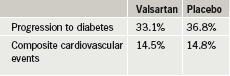
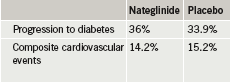
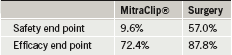
 Presenting the study, Dr Robert Epstein (Medco Research Institute, New York, USA) explained that when starting warfarin, the dose is normally determined by trial and error, and it can take weeks or even months of repeated blood tests and dose adjustments to determine the right dose for each patient. During that time, patients are at high risk for either thromboembolism from too little warfarin, or bleeding from too much warfarin.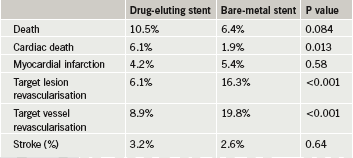
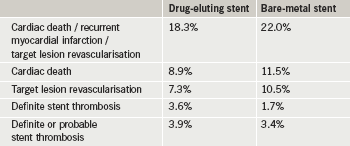
 This study is one of the first to evaluate the feasibility of catheter ablation in patients with more advanced AF and substantial underlying cardiovascular disease, lead investigator Dr Douglas Packer (Mayo Clinic, Rochester, USA) explained.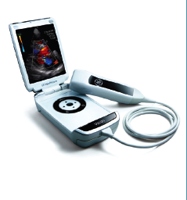

 What is it like to attend a workshop on bradycardia and pacing? Do trainees really benefit from these short sponsored courses, what’s involved and how can one enrol? These questions our answered by Hammersmith Hospital, Cardiology Registrar, Henry Savage (above). To see his review go to our Arrhythmia Watch website,
  Has it only been for the last 20 years or so that our professional, domestic and financial integrity has required us to protect ourselves with a personal identity number (PIN) or password of some description?
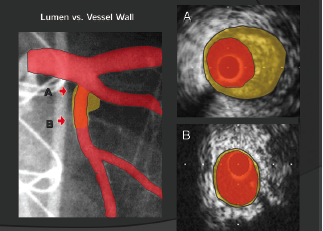
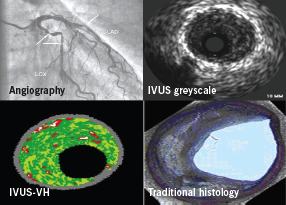
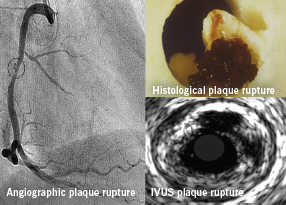
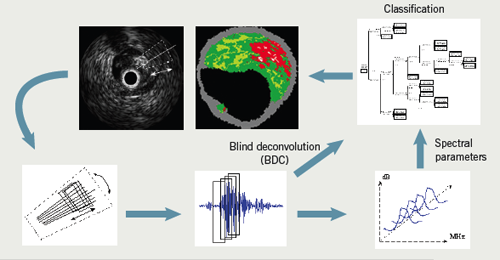
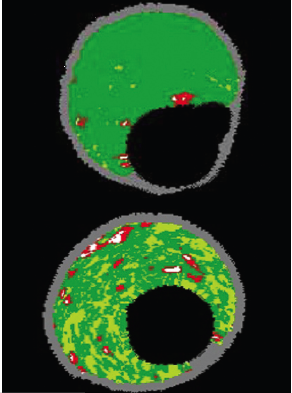
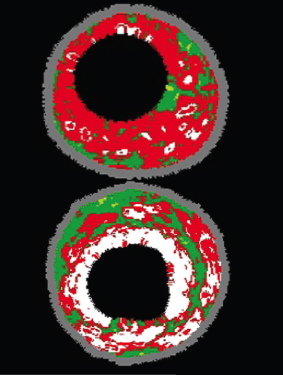
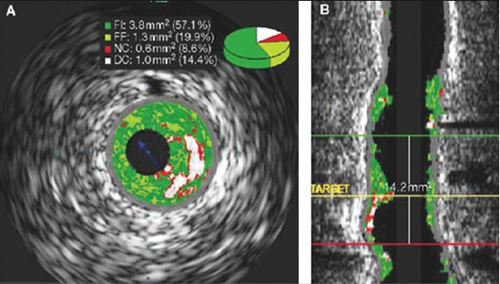
 People diagnosed with diabetes have the condition for the rest of their life, and like many other long-term conditions, most of the interventions that effect control and outcomes are in the hands of the patient themselves.3 The key to successful treatment in primary care is to effectively educate and engage the person with diabetes in a self-management collaboration, using the skills and treatment options offered by healthcare professionals.4 Given the possible complications of diabetes, it is important that this support is provided using the combined skills of several different healthcare professional groups, such as nurses, general practitioners (GPs), podiatrists, dietitians and psychologists. Sometimes referral to a specialist team, which may be community or hospital based, will be required. The key ethos in the diabetes “Commissioning diabetes without walls”5 concept to make high-quality care available to everyone who needs it, is that it is the skills of the various healthcare professionals needed at any particular time that matter, and not where they are based.


 This retrospective audit was performed to assess whether patients discharged from the cardiology ward at the Queen Elizabeth Hospital, Birmingham, following ST-segment elevation myocardial infarction (STEMI) or non-ST-segment elevation myocardial infarction (NSTEMI) were prescribed the recommended medication at appropriate doses. The evidence for the prognostic benefit of drugs such as angiotensin-converting enzyme (ACE) inhibitors, beta blockers and statins after a myocardial infarction (MI) is derived from studies in which these drugs were used at high doses, such as Acute Infarction Ramipril Efficacy (AIRE),1 Carvedilol Post-Infarct Survival Control in Left-Ventricular Dysfunction (CAPRICORN),2 and Pravastatin or Atorvastatin Evaluation and Infection Therapy (PROVE IT).3 Lower doses may not confer the same benefit.