
Alcohol septal ablation for the relief of symptoms in obstructive HCM: a ‘coming of age’

Br J Cardiol 2011;18:201-2doi:10.5837/bjc.2011.001 Leave a comment
Click any image to enlarge
Authors:

The diagnosis and management of hypertrophic cardiomyopathy (HCM) has undergone fundamental change since the condition was first described more than 50 years ago by Donald Teare,1 a forensic pathologist, and Michael Davis, an academic pathologist.

HCM is conventionally understood as a cardiac disease inherited in an autosomal dominant fashion with incomplete penetrance. Over the past two decades, genetic research has established that HCM has considerable allelic and non-allelic heterogeneity. For the majority of patients, outside of its utility in pre-symptomatic screening, a genetic diagnosis has not made important contributions to clinical management. In large part, this is because most proband patients have apparently unique mutations, and because the fidelity between genotype and phenotype has been poor in families and for mutations studied thus far.

Over the last 20 years, the diagnosis of HCM has been driven primarily by echocardiography – the key imaging modality for establishing the diagnosis of HCM in routine cardiological practice. More recently, however, increasing access to cardiac magnetic resonance imaging (MRI) has led to an increased number of patients with a secure diagnosis of HCM, requiring counselling and treatment. In our centre, which performs over 3,000 cardiac MRI scans per year, over 200 (~7%) patients are given a new diagnosis of unexplained left ventricular hypertrophy per year. This improvement in non-invasive imaging modalities will also increase the number of patients with HCM who have significant co-morbidities, making them less attractive for surgical treatment. These factors inevitably mean that interest in non-surgical treatments for patients with HCM, such as alcohol septal ablation (ASA), will continue to increase.

The paper by Hamid et al. (see pages 233–7), provides a useful analysis of the current clinical role of ASA in the management of symptomatic patients with obstructive HCM.

Patient selection

Hamid et al. correctly emphasise that intervention with ASA should be restricted to those patients whose symptoms of breathlessness or chest pain suggestive of myocardial ischaemia (New York Heart Association [NYHA] class III or IV) are resistant to medical therapy. As stressed in the American College of Cardiology/European Society of Cardiology (ACC/ESC) guidelines,2 the sub-aortic gradient should be 50 mmHg or more as assessed by Doppler echocardiography, either under basal resting conditions or under physiological stress, such as Valsalva.

The anatomical requirement for ASA is for a first septal perforator of sufficiently large caliber to allow an over-the-wire balloon to be inflated to occlude the vessel (usually ≥1.5 mm). This vessel must supply an appropriate area of the basal septum assessed by contrast echocardiography. The mechanism of action is that the alcohol diffuses through the myocardium causing a direct chemical permanent necrosis of the myocytes, rather than just transient myocardial ischaemia caused by occlusion of the (usually well-collateralised) septal artery. The size of the iatrogenic infarct can be controlled relatively precisely and usually, the appropriate septal perforator remains patent for further procedures if required.

ASA has an impressive effect in improving symptoms.2,3 In their study, Hamid et al. reported an improvement from NYHA III/IV to NYHA 0–II in 87% of their cohort at three months and 67% at nine months.It is, however, important to note, that although studies have shown that HCM patients with obstruction have worse overall survival and HCM-related survival than HCM patients without obstruction,4,5 there is no evidence to date that either myectomy (Morrow resection) or ASA improve prognosis.

Hamid et al. have emphasised that the maximal physiological reduction in the outflow gradient occurs between six and 12 months, and this has also been our experience, although the amount of ethanol used per case by us was much less (mean 1.6 ± 0.57 ml) compared with that in the study group (4.4 ± 2 ml). In our series of 56 consecutive patients with obstructive HCM who underwent ASA, 14% (eight patients) developed complete heart block post-procedure requiring permanent pacemaker implantation compared with 20% (three patients) in the study group.

Future development

It is likely that cardiac magnetic resonance (CMR) will provide a complementary methodology for measuring the septal reduction post-procedure (figure 1). One of the attractions of ASA is that repeat procedures are well tolerated and easy to perform if the symptomatic response to a first procedure is inadequate, and we have found repeat procedures to be of value in terms of reducing symptoms and reducing gradient.
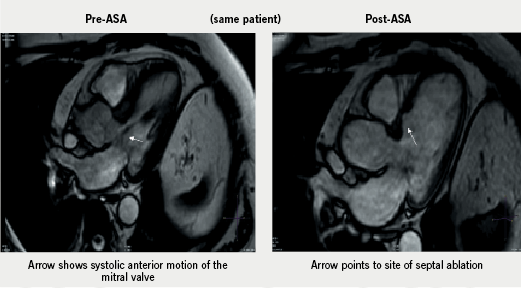
Figure 1. Cardiac magnetic resonance (CMR) images before and after alcohol septal ablation (ASA). Pre-ASA the arrow shows systolic anterior motion of the mitral valve, post-ASA the arrow points to the site of septal ablation

Early mortality post-ASA has fallen over the past decade. A systematic review of 42 published studies3 showed that early mortality (within 30 days) was 1.5% (0.0–5.0%) and late mortality (>30 days) was 0.5% (0.0–9.3%). ASA has undergone several changes since its introduction in 1995,6 with the use of myocardial contrast echocardiography, slow versus bolus ethanol injections and use of a reduced amount of ethanol, which reduces the procedure-related complications but may account for repeat procedure rates. In our series of 56 patients, in-hospital mortality was 0% and with a longer-term (mean follow-up 1.72 ± 2.41 years) survival of 95% (three deaths). Of the three patients who died, only one was related to HCM.

However, in a recent publication, Ten Cate et al.7 raised concerns regarding higher cardiac mortality and arrhythmias post-ASA (91 patients) versus surgical myectomy (40 patients) over a 5.4 ± 2.5 year follow-up. But the authors acknowledge the fact that in their study, which included patients from 1999–2007, the use of large amounts of ethanol during the early years may have led to larger myocardial infarctions, accounting for the excess post-procedure complications, which included arrhythmias. In addition, this was a high-risk group with 11% of patients undergoing ASA having co-existent comorbidities that made them unsuitable for surgery.

Perhaps the most interesting aspect of Hamid et al.’s work is that they have found no evidence of either significant arrhythmia or any evidence of left ventricular dilatation or remodelling as a consequence of the iatrogenic myocardial infarction induced by ASA. Conventionally, these potential risks following ASA have been argued as indicating the superiority of the surgical technique as ‘the gold standard’2 for reducing the left ventricular outflow tract (LVOT) gradient in patients with obstructive HCM. However, as experience with ASA develops in centres with expertise in percutaneous intervention for structural heart disease, as published reports such as those of Hamid et al. continue to show both efficacy and safety, and as the power of patient preference for ASA over surgery increases (89% in a recent series7), the surgical ‘gold standard’ may come under increasing scrutiny.

Conflict of interest

None declared.

Editors’ note

See also the article by Hamid et al. on pages 233–7 of this issue.

References

  1. Teare D. Asymmetrical hypertrophy of the heart in young adults. Br Heart J 1958;20:1–8. (doi: 10.1136/hrt.20.1.1)
  2. Maron BJ, McKenna WJ, Danielson GK et al. American College of Cardiology/European Society of Cardiology clinical expert consensus document on hypertrophic cardiomyopathy. A report of the American College of Cardiology Foundation Task Force on Clinical Expert Consensus Documents and the European Society of Cardiology Committee for Practice Guidelines. J Am Coll Cardiol 2003;42:1687–713. (doi: 10.1016/S0735-1097(03)00941-0)
  3. Alam M, Dokainish H, Lakkis N. Alcohol septal ablation for hypertrophic obstructive cardiomyopathy: a systematic review of published studies. J Interv Cardiol 2006;19:319–27. (doi: 10.1111/j.1540-8183.2006.00153.x)
  4. Maron MS, Olivotto I, Betocchi S et al. Effect of left ventricular outflow tract obstruction on clinical outcome in hypertrophic cardiomyopathy. N Engl J Med 2003;348:295–303. (doi: 10.1056/NEJMoa021332)
  5. Elliott PM, Gimeno JR, Tome MT et al. Left ventricular outflow tract obstruction and sudden death risk in patients with hypertrophic cardiomyopathy. Eur Heart J 2006;27:1933–41. (doi: 10.1093/eurheartj/ehl041)
  6. Sigwart U. Non-surgical myocardial reduction for hypertrophic obstructive cardiomyopathy. Lancet 1995;346:211–14. (doi: 10.1016/S0140-6736(95)91267-3)
  7. Ten Cate FJ, Soliman OI, Michels M et al. Long-term outcome of alcohol septal ablation in patients with obstructive hypertrophic cardiomyopathy: a word of caution. Circ Heart Fail 2010;3:362–9. (doi: 10.1161/CIRCHEARTFAILURE.109.862359)
Changes to hypertension guidelines

Br J Cardiol 2011;18:203 1 Comment
Click any image to enlarge
Authors:

The National Institute for Health and Clinical Excellence (NICE) has updated its guideline on hypertension, making a number of new recommendations regarding both the diagnosis and treatment of the condition. The new clinical guideline 127 updates and replaces clinical guideline 34, which was published in June 2006.

Key new recommendations include the following:

  • Diagnosis of primary hypertension should be confirmed using 24–hour ambulatory blood pressure monitoring, or home blood pressure monitoring, rather than be based solely on measurements of blood pressure taken in the clinic. This is to reduce the occurrence of white coat hypertension, which recent studies have suggested is causing the misdiagnosis of hypertension in up to a quarter of the 12 million patients currently labeled with the condition.
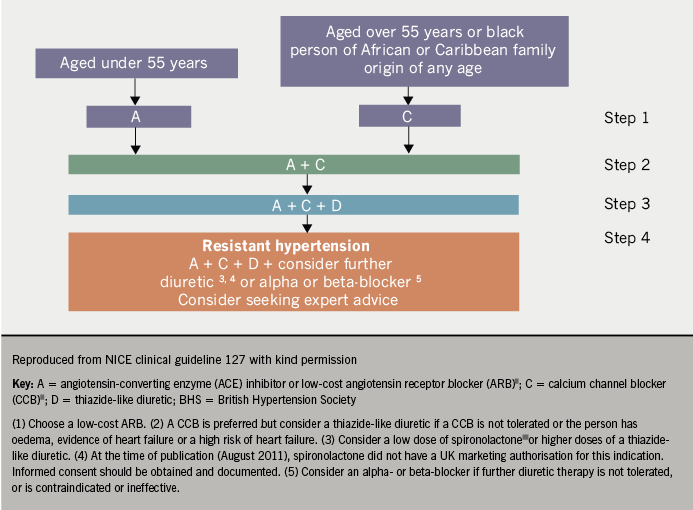
  • For the treatment of hypertension, the guideline now recommends that calcium channel blockers (CCBs) should be the first choice of agent used in patients aged over 55 years and to black people of any age. If a CCB is not suitable, for example, because of oedema or intolerance, or if there is evidence or high risk of heart failure, thiazide-like diuretics, such as chlortalidone or indapamide, are recommended in preference to a conventional thiazide diuretic such as bendroflumethiazide or hydrochlorothiazide. For patients aged under 55, angiotensin-coverting enzyme (ACE) inhibitors and angiotensin receptor blockers (ARBs) remain first-line drugs, and CCBs should be added as a second-step drug.
  • Patients aged 80 years should be offered the same antihypertensive drug treatment as people aged 55–80 years, taking into account any comorbidities. This is based on the HYVET study of nearly 4,000 hypertensive patients over 80 years, which found standard hypertensive treatment reduced the risk of fatal stroke by almost 40%, heart failure by 64% and all-cause mortality by around 20%.

The updated four-step antihypertensive drug treatment now recommended is shown in figure 1.

Figure 1. A summary of antihypertensive drug treatment from the NICE BHS guidance

The guidance was updated by the National Clinical Guideline Centre in collaboration with the British Hypertension Society. The full guidance can be found on www.nice.org.uk/CG127

Dronedarone to be restricted

Br J Cardiol 2011;18:203 Leave a comment
Click any image to enlarge
Authors:

The European Medicines Agency has recommended that the anti-arrhythmic, dronedarone (Multaq®), should be restricted.

The Agency has stated that because of the increased risk of liver, lung, and cardiovascular adverse events, dronedarone, should only be prescribed after alternative treatment options have been considered. It advises that patients currently taking dronedarone should have their treatment reassessed by their physician at their next scheduled visit.

Dronedarone is currently approved for the treatment of paroxysmal or persistent atrial fibrillation or atrial flutter. The restriction is based on a review of the PALLAS trial, which was stopped early because of an increased risk of cardiovascular events among patients on dronedarone, as well as other data suggesting an increased risk of severe liver injury and lung effects.

The Committee for Medicinal Products for Human Use (CHMP) notes, however, that there are limited treatment options for patients with non-permanent atrial fibrillation, so dronedarone might still be a useful treatment option in selected patients. It says that: “the benefits of Multaq® outweigh its risks in these patients, provided that further changes to the information for prescribers and patients will be introduced to minimise the risk of injury to the liver, lung, and heart”.

It adds that dronedarone should be restricted to patients with paroxysmal or persistent atrial fibrillation when sinus rhythm is obtained and should not be used when atrial fibrillation is still present. It should not be used in permanent atrial fibrillation or in patients with heart failure or those with left ventricular systolic dysfunction. It should also not be used in patients with a previous lung or liver injury following treatment with amiodarone. Patients with non-permanent atrial fibrillation treated with dronedarone should be monitored by a specialist and have their lung, liver, and heart-rhythm function checked regularly.

Rivaroxaban reduces events in ATLAS-ACS

Br J Cardiol 2011;18:203 Leave a comment
Click any image to enlarge
Authors:

Bayer has announced that the oral anticoagulant, rivaroxaban, has reduced ischaemic events but increased bleeding in acute coronary syndrome (ACS) patients in the large-scale trial ATLAS-ACS 2 TIMI 51. The … Continue reading Rivaroxaban reduces events in ATLAS-ACS

Bayer has announced that the oral anticoagulant, rivaroxaban, has reduced ischaemic events but increased bleeding in acute coronary syndrome (ACS) patients in the large-scale trial ATLAS-ACS 2 TIMI 51.

The company said the drug was associated with a statistically significant reduction in the primary composite end point of cardiovascular death, myocardial infarction, and stroke versus placebo. However, it was also associated with a significant increase in the primary safety end point: major bleeding events not associated with coronary artery bypass surgery.

Bayer says the results will be presented “as soon as possible at a forthcoming scientific congress,” and also plans to file for market authorisation by the end of 2011.

This announcement suggests that rivaroxaban has had at least some success in the treatment of ACS, whereas another one of the new oral anticoagulants – apixaban – was discontinued in this indication after showing an unacceptable bleeding rate in the APPRAISE-2 trial.

While these agents have been successful in venous thrombosis and in the prevention of stroke in atrial fibrillation patients, their use in ACS is more difficult as they are being added onto dual antiplatelet therapy, so the bleeding risks are much higher. The big question is now whether the reduction in ischaemic events with rivaroxaban outweighs the increased bleeding risk.

European approval recommendation for AF and DVT

  • Separately, the European Medicines Agency’s Committee for Medicinal Products for Human Use (CHMP) has issued positive opinions for rivaroxaban for two new indications:
  • the prevention of stroke and systemic embolism in nonvalvular atrial fibrillation, based on the ROCKET-AF trial
  • the treatment of venous thromboembolism, deep vein thrombosis, and pulmonary embolism, based on the EINSTEIN-DVT and EINSTEIN Extension studies.

News from the ESC Congress 2011

Br J Cardiol 2011;18:208–210 Leave a comment
Click any image to enlarge
Authors:

Highlights of the European Society of Cardiology (ESC) 2011 Congress, held in Paris, France, from 27th–31st August, included encouraging results with the third new oral anticoagulant alternative to warfarin for patients with atrial fibrillation, a treatment for recurrent endocarditis, and the suggestion that six months dual antiplatelet therapy may be enough after drug-eluting stent placement.

ARISTOTLE: apixaban superior to warfarin in AF patients

Another oral anticoagulant has shown good results in comparison to warfarin for use in the prevention of stroke in patients with atrial fibrillation (AF). The new oral factor Xa inhibitor, apixaban, was superior to warfarin in preventing stroke or systemic embolism and was also associated with less bleeding and lower mortality than warfarin in the ARISTOTLE trial.

Apixaban is the third of the new generation of oral anticoagulants to be tested in this indication, and seems to have performed the best. The other two agents – dabigatran and rivaroxaban – have also been shown to be viable alternative agents to warfarin in the RE-LY and ROCKET-AF trials, respectively, but apixaban is the only one to have shown significant reductions in stroke, bleeding, and mortality. All three new agents have, however, shown a large reduction in intracranial haemorrhage versus warfarin, prompting commentators at the ESC press conference on ARISTOTLE to agree that any of the new drugs seemed preferable to keeping patients on warfarin.

Presenting the ARISTOTLE results, Dr Christopher Granger (Duke University, US) explained that finding the right dose of these agents was the key to success, something that this trial seemed to have got right. “We seem to have hit the sweet spot on the dose of apixaban, which produced both great efficacy and safety,” he said.

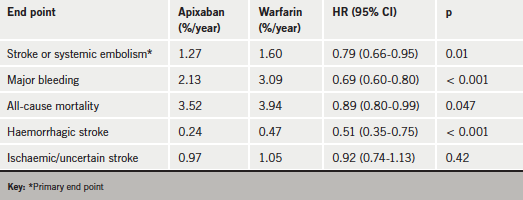
The ARISTOTLE trial randomised 18,201 patients with AF to apixaban (5 mg orally twice daily) or warfarin (target INR of 2.0 to 3.0). After a median follow-up of 1.8 years, results (see table 1) showed that apixaban was associated with a 21% reduction in the risk of stroke or systemic embolism, a 31% reduction in bleeding, and an 11% reduction in all-cause mortality.

Table 1. ARISTOTLE results

In comparison, the higher dose of dabigatran (150 mg twice daily) tested in RE-LY produced a reduction in stroke but a similar rate of bleeding and an increase in gastrointestinal bleeding compared with warfarin. And the lower dabigatran dose (110 mg twice daily) showed a similar stroke rate to warfarin with less bleeding. The ARISTOTLE investigators are therefore positioning apixaban as “somewhere in between the two dabigatran doses”.

The ROCKET-AF trial with rivaroxaban was more difficult to interpret, with rivaroxaban not being shown superior to warfarin in preventing stroke in the primary intention-to-treat analysis, but achieving significant superiority in an “as-treated” analysis. Major bleeding was similar with rivaroxaban and warfarin, but there was less intracranial and fatal bleeding with rivaroxaban, which also has the practical advantage over the other two drugs of a once-daily dose.

The ARISTOTLE results have since been published in The New England Journal of Medicine (N Engl J Med 2011;365:981–92). In the paper, the investigators report that for every 1,000 patients treated for 1.8 years, apixaban, as compared with warfarin, prevented four haemorrhagic strokes, two ischaemic strokes, major bleeding in 15 patients, and death in eight patients.

PRODIGY: six months clopidogrel enough after stenting

Two years of dual antiplatelet therapy after coronary stenting was no better than six months in preventing cardiac events but was associated with significantly more bleeding in the PRODIGY (Prolonging Dual Antiplatelet Treatment After Grading Stent-induced Intimal Hyperplasia) trial.

Presenting the data, Dr Marco Valgimigli (University Hospital of Ferrara, Italy) said the results questioned the current guidelines which recommended at least 12 months’ dual antiplatelet therapy after drug-eluting stenting. “Our study clearly shows that the benefit to risk ratio of prolonged therapy has been over-emphasised,” he stated.

In the study, 2,000 patients scheduled for elective or urgent stenting were randomised to receive one of three different drug-eluting stents or a third-generation bare-metal stent. At 30 days, patients in each stent group were then further randomised to either six or 24 months of dual antiplatelet treatment (clopidogrel plus aspirin).

Results showed that the primary outcome (all-cause mortality, non-fatal myocardial infarction or cerebrovascular accident) at two years was almost identical in patients given six months and in those given 24 months of treatment. However, the longer treatment group had double the risk of bleeding events (defined as the Bleeding Academic Research Consortium classification). The risks of TIMI-defined major bleeding and transfusions were also increased in the 24-month clopidogrel group. There was no difference in results according to which stent was used.

Dr Valgimigli said the study had important economic implications, as the longer term treatment was also associated with more hospitalisations (to treat bleeding) and more diagnostic and therapeutic resources.

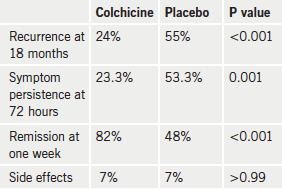
Colchicine effective for preventing pericarditis

Colchicine appears to be a safe low-cost drug for rapid symptom relief, improved remission rates and reduced recurrence after an initial episode of recurrent pericarditis, according to the results of the CORP (Colchicine for Recurrent Pericarditis) trial.

Presenting the data, Dr Massimo Imazio (Maria Vittoria Hospital, Turin, Italy) explained that recurrences of pericarditis were relatively common, occurring in about 20–50% of patients who have a first episode.

While there has been some data from observational studies and small open-label randomised studies suggesting that colchicine may be a safe and useful drug for preventing recurrences, this is the first multi-centre, double-blind, randomised, placebo-controlled trial to look at this issue.

The CORP trial included 120 patients with a first episode of recurrent pericarditis from four centres in Italy. Colchicine was added to standard anti-inflammatory therapy, and was given at an initial dose of 1.0–2.0 mg for the first day and a maintenance dose of 0.5–1.0 mg daily for the following six months. A lower dose was used in patients under 70 kg in weight or intolerant of the higher dose.

Results (table 1) showed that colchicine significantly reduced the incidence of recurrences at 18 months, the primary end point compared with placebo. The colchicine group also had a lower incidence of symptom persistence at 72 hours, fewer recurring episodes, a higher rate of remission at one week, and longer time to a subsequent recurrence. The rate of side effects was similar in both groups.

Table 1. CORP study results

Full results have been published in the Annals of Internal Medicine (Ann Intern Med 2011;155:409–14).

Latest from ASCOT: could statins reduce death from infections?

Long-term results of the primary prevention ASCOT-LLA study suggest that statins may reduce death from infection.

ASCOT-LLA (Anglo-Scandinavian Cardiac Outcomes Trial – Lipid-Lowering Arm) studied atorvastatin 10 mg in patients with hypertension, but with no established coronary heart disease (CHD) or high cholesterol levels. The main results reported in 2003, showed that atorvastatin reduced fatal CHD and non-fatal myocardial infarction after a median follow-up of 3.3 years. At the time the study was stopped, there was a non-significant trend toward reduction in all-cause mortality.

After the study ended, mortality data continued to be collected in patients originally randomised to atorvastatin or placebo for a median of 11 years. Results from this extended follow-up show that all-cause mortality was significantly reduced by 14%, and non-cardiovascular mortality was significantly reduced by 15%, but there was no difference in cardiovascular deaths. In addition, the reduction in non-cardiovascular deaths was driven by a significant 36% reduction in deaths due to infection and respiratory illness.

Presenting the data, Dr Peter Sever (Imperial College, London) said that preclinical studies suggested that statins may indeed have some anti-infective actions, and other observational studies have shown reduced mortality from sepsis with statins.

He added that these results should be viewed as hypothesis generating, and called for a prospective study of statins in patients at high risk for infection to see if they could reduce sepsis or death from infection.

These latest results from ASCOT have been published online in the European Heart Journal (Eur Heart J 2011; doi:10.1093/eurheartj/ehr333)

CRISP: no benefit of counterpulsation in MI patients not in shock

Routine counterpulsation with an intra-aortic balloon pump during percutaneous coronary intervention (PCI) for large anterior myocardial infarction (MI) does not reduce infarct size, according to results of the CRISP-AMI study.

The investigators, led by Dr Manesh Patel (Duke University, US) suggest that such counterpulsation should be reserved for MI patients who develop signs of haemodynamic instability.

In the trial, 337 patients undergoing primary PCI for an anterior ST-elevation MI but who were not in shock were randomised to counterpulsation support or no such support. Infarct size four days later was not significantly different between the two groups.

The findings have also now been published in JAMA (JAMA 2011;306: 1329–37).

Remote ICD monitoring
looks good

Two new studies have suggested that ICD (implantable cardioverter-defibrillator) patients monitored remotely have fewer inappropriate shocks than patients returning to hospital for checks, without any significant difference in clinical events.

In the EVATEL study, presented by Dr Philippe Mabo (University Hospital, Rennes, France), 1,501 ICD patients were randomised to conventional checks at the implanting centre or remote transmission of data from the ICD to the implant centre. Major clinical events were similar in both groups, and fewer patients in the remotely monitored group experienced inappropriate or ineffective therapy from their ICD (4.7% vs. 7.5%, p=0.03).

The second study, known as ECOST, was presented by Dr Salem Kacet (Regional University Hospital, Lille, France). In this study, 433 patients were randomised to either daily remote monitoring or traditional clinic visits.

Results showed that the remote-monitoring patients were about half as likely as the clinic patients to receive an inappropriate ICD shock (5% vs. 10.4%, p=0.03), which resulted in a significantly longer ICD battery life in the remotely monitored patients. There were also fewer hospitalisations in the remote group (3 vs. 11, p=0.02).

dal-VESSEL: new CETP inhibitors lack side-effects of torcetrapib

A new high-density lipoprotein cholesterol (HDL-C) raising drug in development appears not to be associated with the problems that may have caused the downfall of the first such agent in this class, torcetrapib, according to a phase 2 study.

The new cholesteryl ester transfer protein (CETP) inhibitor – dalcetrapib – did not impair endothelial function or increase blood pressure, and was generally well tolerated in patients with or at risk of coronary heart disease in the dal–VESSEL study.

Presenting the data, Dr Thomas Lüscher (University Hospital, Zurich, Switzerland) said: “Results so far suggest that dalcetrapib does not have pro-inflammatory or pro-atherogenic effects, does not affect blood pressure and is generally well tolerated by patients treated for up to two years.”

Dal-VESSEL involved 476 patients with HDL-C levels <50 mg/dL who were randomised to dalcetrapib 600 mg/day or placebo in addition to their existing treatments. Results showed that dalcetrapib reduced CETP activity by almost 50% and increased HDL by 31% without changing nitric-oxide-dependent endothelial function or markers of inflammation and oxidative stress.

Dr Lüscher said dalcetrapib raises HDL by a different mechanism to other CETP inhibitors, and has been associated with the efflux of cholesterol from cells in laboratory studies. It is currently being tested in phase 3 trials.

Huge under-use of cheap and proven drugs in heart disease

A new study has shown massive under-use of proven therapies for the secondary prevention of cardiovascular disease.

The PURE (Prospective Urban Rural Epidemiological) study, presented by Dr Salim Yusuf (McMaster University, Canada), collected data on 154,000 adults with a history of heart disease or stroke from 17 countries.

“We found extremely low rates of use of proven therapies in all countries, but these were more marked in middle and low income countries. The study indicates a large gap in secondary prevention globally,” Dr Yusuf said. “There is an urgent need for systematic approaches to understand and solve the causes of the large treatment gap in secondary prevention in all communities. This is a global tragedy and represents a huge wasted opportunity to help millions of people with heart disease at very low cost,” he added.

Results showed large variations in use of proven therapies between high income and low income countries, with statins being used 20 times more often in richer countries. The cheap and widely available aspirin was seven times more likely to be taken in better off nations. But even in the three high income countries studied (Canada, Sweden and the United Arab Emirates), significant numbers of post-MI and stroke patients not taking preventive treatment were found.

Other countries involved in the study were: Argentina, Brazil, Chile, Malaysia, Poland, South Africa, Turkey (upper middle income), China, Colombia, Iran (lower middle income), Bangladesh, India, Pakistan, Zimbabwe (low income).

Dr Yusuf said the results (table 1) showed that most systems in the world did not have an organised approach to secondary prevention, adding that doctors should delegate the role of prevention.

Table 1. Cardiovascular drug use for secondary prevention among patients with CHD or stroke, by nation economic status

Quality in CVD care – taking the lead in the new NHS

Br J Cardiol 2011;18:212-213 Leave a comment
Click any image to enlarge
Authors:

This year’s 14th Annual Scientific Meeting of the Primary Care Cardiovascular Society (PCCS), held in Bristol, 28th–30th September 2011, highlighted the controversial reforms in the new NHS as well as rounding up new developments in cardiovascular care. Tim Kelleher reports.

Navigating the changing landscape of cardiovascular commissioning

A clear majority (58%) of GPs with a special interest in cardiology (GPSIs) feel unprepared to fulfill a commissioning role in the new NHS landscape, despite almost half of GPs being currently involved in commissioning, according to results from the REACCT (REAssessing Cardiology Commissioning and Treatment) report announced at the meeting.

The report also reveals that a majority of cardiologists (57%) feel unprepared to take on new commissioning roles around the management of cardiovascular disease (CVD). The report (available from: www.pccs.org.uk/report) was written by the PCCS in association with Roche Products Ltd. following an online survey, which compiled the opinions of 30 cardiologists and 100 GPSIs from around the UK.

The report’s findings were announced at the meeting, by Dr Alan Begg (Honorary Senior Lecturer, University of Dundee). Despite concerns over their readiness, both GPs (72%) and cardiologists (63%) claimed to be involved in or applying to become involved in commissioning. The REACCT survey’s findings present “a clear opportunity for the PCCS to work with our colleagues to increase that level of readiness for the new landscape we have to deal with,” said Dr Begg.

Most GPs share concerns over the proposed NHS reforms, claimed healthcare analyst and broadcaster Mr Roy Lilley, summarising the mood as one of reluctant resignation: “We don’t want to sit in a traffic jam, but we have to use the M25”. Closing with a message of hope for fellow sceptics, Mr Lilley said: “This Bill is going to go through the House of Lords… It will come back in February, I think, in a very different shape to the way in which it went”. He asserted that the reforms were not included in either coalition party’s manifesto, discrediting any attempt to push the bill through using the Parliament Act, which is only applicable “where it can be demonstrated that the public have had a chance to vote for a proposal in a general election”.

Ms Michaela Nuttall (coronary heart disease co-ordinator at Bromley Primary Care Trust and REACCT contributor) gave examples of REACCT’s best practice case studies. She highlighted the importance of good quality data for commissioners to compare the performance of GP practices and using appropriate imaging to avoid unnecessary hospitalisation and interventions, as ways of saving clinical resources and money.

Perspectives on commissioning…

The need for reform was defended by Mr Andrew Garner (macroeconomist and former CEO of Norman Broadbent PLC), who countered disparagement of the planned reforms describing the NHS as having been “seriously damaged from its outset by politicians”. Thanking healthcare professionals in the room on behalf of the British public, Mr Garner dismissed Roy Lilley’s earlier claim that the NHS is not overmanaged as “a load of baloney”, arguing that it has been “permanently…interfered with by parliament” throughout its existence.

“We have to set up an NHS that is not governed by parliament…it has to stand apart, governed by a properly constituted board of directors”, Mr Garner said, insisting that the organisation must be saved from “amateurs in Westminister”.

The Health Secretary, Andrew Lansley, is “no longer being radical enough” to make necessary changes, argued Dr Stewart Findlay (NHS Alliance Lead for Coronary Heart Disease, and a GP in Durham Dales) saying that the changes being made to the Health and Social Care Bill are not all to its benefit. He insisted that the healthcare community must not “spend all [its] time rearranging deck chairs” in a time of crisis, expressing support for the reforms in their original state.

Giving an overview of the changes being made to the Bill, Dr Findlay asserted that “stagnation and poor integration” are afflicting many Primary Care Trusts around the country, making change necessary. He believes that GPs are uniquely qualified for the work of commissioning: “We are the closest clinicians to patients, and we have a lifelong relationship with our patients…we already coordinate care for our patients across a number of providers”. GPs access to medical records and ability to share them through the Summary Care Record also make them ideal commissioners, he added.

This claim was directly challenged by Dr Jim McLenachan (Clinical Lead for Cardiology, Leeds General Infirmary), who argued that the requirements of effective commissioning may be beyond the scope of individuals. “If you’re going to commission…you need a breadth of knowledge of whatever service you’re buying. And in an ideal world you should have access to independent verification of the quality of the service, and we don’t have that now.”

The previous system of broad healthcare networks has been responsible for many of the past decade’s success stories, Dr McLenachan argued, giving the example of the 2008 National Infarct Angioplasty Project (NIAP). The feasibility study resulted in primary angioplasty being rolled out to 88 percutaneous coronary intervention (PCI) centres in the UK. During this process, Dr McLenachan said, different implementation strategies were used in different areas to achieve the same goal – “local solutions for a national initiative” – ultimately leading to “a phenomenal turnaround for care of patients with heart attack in England”.

Loss of the networks could make this kind of broad cooperation a thing of the past, Dr McLenachan asserted: “The idea of hundreds and hundreds of centres providing for small numbers of patients each is complete madness…my biggest worry about these reforms is that you’ll finish up with small commissioning groups whose desire will be to keep their small local hospitals going, and you’ll duplicate all sorts of services in every hospital in every hamlet across the country”.

…and service redesign

The experience of being a patient is “incredibly disempowering,” with doctors still “trained, cultured, to be rather paternalistic in approach,” according to Dr Steven Laitner (Associate Medical Director, NHS East of England). He cited the National Inpatient Survey, which showed that half of patients want to be more involved in treatment decisions, adding that most of his GP colleagues believe only a minority do so.

Dr Laitner expressed hope that a ‘new model’ NHS will focus on offering patients greater freedom to choose between alternative treatments, pointing to the Right Care NHS Atlas (Available from: http://www.rightcare.nhs.uk/index.php/nhs-atlas/), which shows huge variation in standards of care across the UK which are driven by clinical behaviour rather than patient preference. “If we don’t involve people enough in their care we get this patchwork quilt of variation in activity…we’re finding in many of these atlases there is an inverse relationship between need and supply,” Dr Laitner said.

Unnecessary hospital admissions can be avoided through educational programmes designed to encourage patient self-monitoring, said Dr Ivan Benett (Cardiology GpwSI, Manchester). Citing the development of an award-winning locally enhanced service (LES) in his own practice to support the delivery of a specialist service for patients with left ventricular systolic dysfunction (LVSD), Dr Benett asserted that “we can save money by investing in educational practices and empowering patients to help themselves to look after themselves”.

Mobile-based telehealth systems technology can enhance clinical productivity, as well as giving patients greater control over their treatment, according to Dr David Morgan (consultant surgeon at the Heart of England NHS Foundation Trust, and founder/medical director of Safe Patient Systems). “What we really need is a paradigm shift,” Dr Morgan said, “to move towards something that is very much more patient-centric, about empowering patients to jointly make decisions so that they’re better informed…that can be achieved by the implementation of technology”.

Mr Mark Smith (Group Commercial Director of private healthcare provider Healthcare at Home Ltd.) spoke of the importance of private sector involvement in future NHS programmes. He gave the example of the Family Liaison Service in palliative care, which Healthcare at Home was commissioned to run by Birmingham East and North PCT. The service provided trained care coordinators and a 24/7 call-line staffed by nurses. 83% of people on the programme who have died did so in the place of their choosing, Mr Smith said: “a dramatic difference to the national picture”. He asserted that clinicians should embrace “the degree of innovation and change the private sector can create at speed”.

Clinical update

With the controversial issue of commissioning covered, the meeting moved on to an examination of topical clinical issues. Topics ranged from venous thromboembolism (VTE) and atrial fibrillation (AF), to heart rate control and the new NICE guidance on hypertension.

VTE currently does not receive enough clinical attention, said Professor David Fitzmaurice (Clinical Lead for Primary Care Clinical Sciences, University of Birmingham), citing figures from the Health Select Committee for the House of Commons, which show that of an estimated 60,000 VTE deaths per year in the UK, two thirds are due to hospital admission, of which 25,000 are preventable. “The statistic you will hear quoted quite a lot,” Professor Fitzmaurice said, “is that hospital acquired VTE kills more people in the UK than breast cancer, road traffic accidents and HIV/AIDS combined,” challenging his audience to debate whether primary care has a role in preventing it.

The fact that air travel increases the chance of deep vein thrombosis in some hyper-responders with other risk factors, was highlighted by Dr Patrick Kesteven (Consultant Haematologist, Newcastle Hospitals Trust) who reviewed studies in this area.

Looking at danger of strokes related to AF, Dr Andreas Wolff (Primary Care Lead for the North of England Cardiovascular Network) spoke on the superior efficacy of the CHA2DS2-VASc risk score, “particularly for the low risk patients, where you have the biggest problem in deciding if they need antithrombotic therapy or not”. He also speculated that novel anticoagulants may further shift the threshold for the low-risk category in future.

Drs Julian Halcox (Consultant Cardiologist, University Hospital of Wales) and Kathryn Griffith (PCCS President and Clinical Cardiovascular Lead for North Yorkshire and York Primary Care Trust) gave an overview of significant trials published over the past year, including the efficacy of omega-3s and cholesterylester transfer protein (CETP) inhibitors in CVD treatment, as well as those presented at this year’s annual meeting of the European Society of Cardiology in Paris.

An overview of the new NICE guideline on hypertension was given by several members of the guideline development group, led by former PCCS chair Dr Terry McCormack(Cardiovascular Lead for North Yorkshire and York Primary Care Trust). Key updates included the superiority of 24-hour ambulatory blood pressure monitoring (ABPM) for confirming hypertension, updates to the drug treatment algorithm, and the introduction of different blood pressure targets for patients over and under 80 years of age.

Many other informative sessions including mini masterclasses, heart rate control in the community, and a ‘Dragon’s Den’ looking at oral anticoagulants, all combined to make the meeting a great success with delegates. The Society’s goal is to encourage communication and knowledge exchange between primary care clinicians. Referring to the previous day’s talks on NHS reform, Dr Griffith acknowledged that “we’re going to have some trials and tribulations on the way” but she closed the meeting with hopes for “a good year to come” with the society sailing “the good ship PCCS through better waters”.

Is it a bird? Is it a plane? No, it’s radial man!

Br J Cardiol 2011;18:214-215 Leave a comment
Click any image to enlarge
Authors:

We continue our series in which Consultant Interventionist Dr Michael Norell takes a sideways look at life in the cath lab…and beyond. In this column, he considers radial access.

Yes, it’s true. After more than 20 years of accessing the arterial circulation almost consistently from the femoral approach, I have given in to the undeniable logic of the trans-radial enthusiasts.

Was I among the last of a dwindling minority of dinosaurs, plodding on with traditional practice despite a changing – if not hostile – environment? Technology supporting the radial approach has undoubtedly advanced, and at the same time the interventional landscape has become less attractive to the use of a much larger vessel in which haemostatic control can never be guaranteed.

I was wondering how this Damascene change in my practice came about?

History

I trained in invasive cardiology at a centre in London renowned for the volume of angiographic activity that it generated. The default approach was via the right brachial artery, exposed by a cut down and with the arteriotomy repaired directly using a continuous 6-0 Proline suture.

The tool of the trade was a somewhat stiff, 8-French, Sones catheter, the multi-potentiality of which was matched only by the respect with which it was wielded. Its shape meant that both coronaries – as well as grafts – could be engaged. The combination of an end- and side-holes allowed contrast injection to incur less streaming effect, and aorto- and left ventricular angiography could be achieved with uniform chamber opacification. The result was not only diagnostic, but also aesthetically pleasing, an important quality given that our mentor – one of the leading proponents of the technique – never ceased to remind us that we were, after all, in the ‘picture business’.

Of course, its use courted some problems; intra-mural injection of contrast could sometimes produce ventriculograms akin to a Christmas tree, and deep engagement – particularly in the right coronary ostium – might sometimes result in an impressive dissection.

I am sure that, as with most adverse events, this related more to the experience of the operator than to the implement itself. I recall that when I approached my boss (perhaps on more than one occasion) to announce that I may have had a ‘slight mishap’, he was always sympathetic and supportive. He would push his glasses up onto his forehead and sigh, “Well, if you haven’t ever done that then you haven’t done enough”.

He had a unique knack of making you feel a lot better about such unfortunate occurrences. As an afterthought, and just as I turned away to go to the ward to check that my erstwhile patient was not in the throes of acute inferior infarction, I asked him the obvious question. Had he ever produced similar complications?

Readers who recognise the individual I describe will know what I mean when I say that he smiled in a way that only he did and replied, “No”.

Changing routine

After clocking up perhaps a couple of thousand brachial procedures, I moved into other appointments in which the femoral version was routine. Many cases were followed by yours truly pressing on the femoral artery in order to achieve sound haemostasis – an experience that current trainees have perhaps lacked. It not only ensured puncture site control but also provided a unique and uninterrupted opportunity to get to know the patient given that you were essentially ‘connected’ to him biologically for at least five to 10 minutes.

There is no doubt that this method was far easier, both to do and to teach, and had the stent not arrived, I suspect it would have been unassailable. But the intense regimen of antithrombotic medication that these devices demanded exposed the Achilles heel of the groin – if such a metaphor is allowable.

Thanks to pioneers in Toulouse and the Netherlands, attention now focused on the wrist as the preferred site of access as it invited far fewer bleeding complications.

Learning new tricks

I spent a very pleasant couple of days in Amsterdam at one of the many radial courses held there under the guidance of Ferdinand Kiememeij and his team. On one occasion he could not undertake the planned procedure on a case transferred into his hospital as the patient turned out to have an artificial right arm!

I was enthused with the notion of this approach and actually produced a short (and invited) piece for this very journal describing my personal experience with its learning curve. It is curious that I then chose not to persist with the technique. As a devotee of the ‘anything for an easy life’ school of thought, I suspect that I found it all too easy to return to the far more predictable femoral version.

Various closure devices were then coming to the fore and, while these did not make up for poor puncture technique, I was fairly happy to continue with this traditional method, not least reassured that there was a substantial body of colleagues in the same boat as me. At least … there was.

Isolation

I was at a meeting earlier this year as a panel member in a discussion about primary angioplasty, and as I expressed a view about the arterial approach for a particular case, I was acutely aware of an uneasy sense of isolation. This unfamiliar sensation was compounded by the fact that, back home, the majority of my colleagues had made the transition to become dyed-in-the-wool radial fans.

I envisaged that my role as senior chap, authoritative factotum and general wise man, was rapidly eroding; drastic action was called for in order to retain any degree of credibility.

And so I hit upon a solution which in one blow would, not only put me back in the bosom of my peers, but also give me a slight march on them (as if): I took on the radial approach but using my old friend, the Sones catheter.

The 5-French version is far more user-friendly than the spear with which I had trained all those years ago, and the range of tip lengths suits most anatomical variants. The advantage of not needing to change catheters is plain for all to see and the shorter time spent as a result helps to make up for the excess that I (at least) require in puncturing the artery in the first place.

In my view there is little science to this. The location of the radial pulse and its prominence appears to bear no relation to the ease with which it is stuck. And while if you miss a femoral artery first time your chance of hitting it increases with each subsequent attempt, the reverse is true at the wrist; the radial artery senses your dwindling confidence and chooses to get smaller just to make it even more difficult.

Patience is a virtue

However, I have as a result uncovered a quality with which I was not aware I had been endowed, and which had presumably lain dormant in my unconscious for years. Namely, patience.

If I utilise this virtue and persist, refusing to default to the groin without a very good reason, my doggedness eventually pays off, and the feeling of satisfaction is immense. This, together with the absence of any concern around potential bleeding complications, results in a tangible sense that when the case is over, it is over.

As a footnote, readers should not be concerned that I intend to re-ignite (sic) my career by travelling the country – and beyond – proposing the advantages of this method; there are enough colleagues with far more expertise, enthusiasm and experience to adopt such a venture, bringing to bear their customary missionary zeal.

But, having said that…

Correspondence

Br J Cardiol 2011;18:217 Leave a comment
Click any image to enlarge
Authors:

Correspondence from the world of cardiology.

When the dentist said: “Be still your beating heart!”

Dear Sirs,

We all often encounter a patient history and apparent presenting complaint that we can not precisely and cleverly explain. Our patient, Mr BW, a fit and active 53-year-old man, attended a routine appointment as an outpatient. He had done this many times previously as he was experiencing difficuties with heart rate control and troubling symptoms secondary to atrial fibrillation (AF). Coincidentally, he had also had amalgam dental fillings drilled some 18 months previously.

Since then, his cardiac problems had escalated. There appeared no clear causality between the fillings and the patient’s AF but he was convinced there was a link. Interestingly, on his most recent visit, he reported that he had been well and had remained symptom free. First thoughts were: “What have we done that was so different after all this time? How have we stumbled upon the solution?” The only change since the patient’s last visit was that he had insisted in having his dental fillings removed and replaced.

Looking through internet archives, we found many patients being convinced of an apparent link connecting the development of their specific arrhythmia to dental fillings. This led us to carefully assess if there were any plausible links.

At its most basic level, there are two possible theories to explain this – an electrical or a chemical phenomenon.

First, the electrical theory concerns the metals in the amalgam itself, which can apparently act as either a cathode or an anode depending on the metals’ composition, leading to the possible formation of an electrical circuit with the body. One study has shown a significant electrical current generated between dental filling alloys and the body.1 This current has been measured2 at up to 109 mV and it may be that these currents are enough to tip susceptible individuals into arrhythmias.

The second possible theory regards the exact composition of the fillings. A variety of metals used in dentistry have potential biochemical effects. Mercury poisoning, for example, can have an arrhythmogenic effect.3 This may occur due to small but constant amounts being released into the blood stream from corrosion of the filling.

Whilst this is not a clearly defined problem, some studies have shown that the removal of dental amalgam has reduced patients’ complaints with on a variety of issues.4

We therefore suggest that a large retrospective analysis is carried out on those patients attending with arrhythmias to assess if this is a genuine problem or just an unfortunate coincidence.

Ewan J Mckay
Cardiology Imaging Fellow
Aintree Cardiac Centre, University Hospital Aintree Hospitals NHS Trust, Longmoor Lane, Liverpool, L9 7AL
([email protected])

References

  1. Nogi N. Electric current around dental metals as a factor producing allergenic metal ions in the oral cavity. Nippon Hifuka Gakkai Zasshi 1989;99:1243–54.
  2. Ciszewski A, Baraniak M, Urbanek-Brychczynska M. Corrosion by galvanic coupling between amalgam and different chromium-based alloys. Dent Mater 2007;23:1256–61. doi: 10.1016/j.dental.2006.11.006
  3. Ravasini JA, Mossop P, McLachlan CS. Homocysteine and heavy metal interactions in atrial fibrillation and ablation treatments. Europace 2008;10:1458; author reply–7.
  4. Melchart D, Wuhr E, Weidenhammer W et al. A multicenter survey of amalgam fillings and subjective complaints in non-selected patients in the dental practice. Eur J Oral Sci 1998;106:770–7. doi: 10.1046/j.0909-8836.1998.eos106303.x

Could coronary artery calcium scores replace exercise stress testing? A DGH analysis

Dear Sirs,

The merits of coronary artery calcium scoring (CAC) were recently discussed by Purvis and Hughes, particularly its higher sensitivity compared to the exercise stress test (EST). The authors highlighted that one of the main disadvantages of CAC was the potential for increased workload. In the absence of ESTs, however, this would be equivalent to less than four CACs and less than one computer tomography (CT) per week in high coronary artery disease (CAD) areas.1

To address this issue, the CAC can be technician-led and lasts 15 minutes.2 It is therefore plausible to argue that it involves less workload than the same number of ESTs organised otherwise. The only true challenge on human resources would be the CT scans, and perhaps one extra scan per week is acceptable. Furthermore, in our unit at University Hospital Wales, Cardiff, we found a much smaller cohort (4%) of low CAD risk patients (NICE risk score 10–29%); thus for other areas with a similar prevalence, the extra workload would be even less than the estimates reported by Purvis and Hughes.

Whilst changing from EST to CAC in low-risk patients per se is important, what is of greater significance in these cash-strapped times is the change in inertial culture of over-using ESTs for all groups of patients including those with very high CAD risk. In an audit of our Rapid Access Chest Pain Clinic (RACPC), we found: exercise tolerance test (ETT) was inappropriately ordered for one in 10 patients with non-cardiac chest pain; 100% of patients with CAD risk <10%; and, 60% of patients with CAD risk >30% which included approximately half of patients with CAD risk >90%.

We recognise that in many hospitals, EST remains much more accessible than CAC. However, attitudinal barriers need to be addressed as a priority in order to ensure appropriate usage when CAC does become more widely available.

To decrease workload further, we must find a way to improve GP referrals. We found that almost a quarter of the patients seen in our RACPC were inappropriately referred, with 17% patients with non-cardiac chest pain and 5% very low CAD risk (<10%). Many of these patients went on to have unnecessary investigations with half having been ordered ETTs. In a previous qualitative survey conducted in our catchment area, it was found that GPs with higher referrals often had the lower perceived clinical confidence, and many felt that they would benefit from access to specialist advice.3

Thus, in order to improve referrals to our chest pain service, we plan to implement a simple pro forma encompassing NICE guidelines in order to direct further diagnostic management and, furthermore, to organise a GP training session with a consultant cardiologist to ensure clarity and fluidity for future referrals.

In summary, the ‘misuse’ of EST is a common problem across all risk groups in RACPC. Resource-smart changes include tailoring appropriate tests for each risk group and liaising with GP colleagues to minimise inappropriate referrals.

Tina Tian
([email protected])

Andrew Carson-Stevens

Nick Gerning
Cardiff University, Cardiff

References

  1. Purvis JA, Hughes SM. Could coronary artery calcium scores replace exercise stress testing? A DGH analysis. Br J Cardiol 2011;18:120–3
  2. Rajani R, Underwood SR. The exercise ECG – here today, gone tomorrow? Br J Cardiol 2011;18:7–8.
  3. Daniels A, Moss M,Wilshere S. Improving cardiology referrals from primary to secondary care project report. South-East Wales Cardiac Network 2010 (unpublished data).

DGH analysis: Coronary CT Data of RACPC

Dear Sirs,

We applaud Purvis and Hughes for a very relevant study to facilitate cardiologists building a business case for running full cardiac CT services in their departments.1 They have clearly shown that previous studies of calcium score are relevant in a British cohort and the cost-effectiveness model can be applied similarly.

They have evaluated the pre-test likelihood of coronary artery disease (CAD) after analysing their investigative data. We note that after including the pre-test likelihood of CAD, investigative strategies would have altered so that patients in their cohort who went through coronary artery calcium scoring could have only been offered invasive coronary angiography. Only one patient whose zero calcium score suggested a low pre-test likelihood of CAD score was found to have significant CAD (2%). This reiterates the point that investigations organised according to the pre-test likelihood of CAD, as suggested by NICE, sounds reasonable.

However, it seems that the authors have not included patients who had a negative exercise stress test. Some patients in this cohort could have had a significant pre-test likelihood of CAD, and may have had a different diagnostic test according to NICE guidance. We do not have retrospective studies from the UK to show the outcome in such cohort of patients.

Yours faithfully,

Chris Sawh
Cardiology Registrar with special interest in Cardiac Intervention
Doncaster Royal Infirmary, Doncaster

Pankaj Garg
Cardiology Registrar with special interest in Cardiovascular Imaging
Northern General Hospital, Sheffield
([email protected])

Reference

  1. Purvis JA, Hughes SM. Could coronary artery calcium scores replace exercise stress testing? A DGH analysis. Br J Cardiol 2011;18:120–3.

The authors reply

We serve as a semi-regional centre with the majority of cases attending our unit following an equivocal exercise stress test result. It is currently difficult for us to collect cases with negative results.

We believe it is important for clinicians to know that the current NICE strategy of stopping the CT after CAC = 0 may miss a small percentage of patients with significantly obstructive non-calcified plaque as well as those in whom myocardial bridging is responsible for symptoms.1

Innovations that substantially reduce radiation dose, such as iterative reconstruction2 may in future permit full coronary CT angiography with doses that are currently only achieved with CAC. We hope that such innovations are widely available by the time of any future NICE guidance on chest pain and will permit ultra low dose CT angiograms for all-comers.

John Purvis
Consultant Cardiologist
([email protected])

Sinead Hughes
Consultant Cardiologist

Altnagelvin Hospital, Londonderry, BT47 6SB

References

  1. Leschka S, Koepfli P, Husmann L et al. Myocardial bridging: depiction rate and morphology at CT coronary angiography – comparison with conventional coronary angiography. Radiology 2008; 246:754–62. 2. Renker M, Ramachandra A, Schoepf UJ et al. Iterative image reconstruction techniques: applications for cardiac CT. J Cardiovasc Comp Tomog
    2011;5:225–30.

Controversial salt paper published – a response

Dear Sirs,

The editorial in The Lancet (May 12th 2011) that you quote in the June issue of the journal1 is incorrect. I can assure you that diligent search of the literature will not reveal a single paper that shows that either salt loading, or high salt intake, causes increased mortality or morbidity in normal people with normal renal function. The recommendation that everybody should avoid salt is based only on the fact that salt deprivation lowers blood pressure (by less than 10 mmHg). The findings of Stolarz-Skrzypek et al2 are entirely consistent with the literature, as summarised briefly below.

“Low salt intake increases mortality; high salt intake does not increase mortality,” said Stolarz-Skrzypek et al, who followed up 3,681 normal subjects and measured how much salt came out in the urine, as an index of salt consumption (normal kidneys excrete any excess in the body). Although very high salt intake was associated with a very minor increase in blood pressure, this was not associated with any harm. In Heart Wire, MacGregor attempts to discount this study on methodological rounds;3 he is a foremost advocate of advising normal people to restrict salt intake.

Previous publications with the type of study design used by Stolarz-Skrzypek have had the same result. In addition, studies in which normal people have been loaded with large quantities of extra salt in their diet have failed to show a rise in blood pressure, or any evidence of harm. Low salt intake was proposed as an idea since salt is supposedly believed to cause high blood pressure. If that were the case, patients with developing and/or established high blood pressure would have more salt in their bodies; they do not. The erroneous idea of the benefits of low salt intake is based on the fact that in patients with high blood pressure, low salt intake reduces blood pressure slightly; this is not relevant to normal people.

The most worrying aspect of salt restriction in normal people is that it increases mortality. That low salt intake causes harm is well established in the medical literature. Some elderly people and pregnant women have an inability of the kidneys to retain salt. This causes a condition called hyponatraemia, which is an increasingly common problem in the elderly. This condition is associated with swelling of the brain and consequent damage, possibly associated with the development of Alzheimer’s disease. Low salt intake combined with high water intake (a ‘detox diet’) caused 5,259 hospital admissions in England in 2006–7 (one such patient with brain damage after ‘detox’ was awarded £800,000 compensation).  Low salt intake has also been shown to cause increased obesity and alcoholism. Alderman states: “Sodium restriction generates other, sometimes undesirable effects, including increased insulin resistance, activation of the renin-angiotensin system, and increased sympathetic nerve activity”.4 Hollenberg, who does not advocate salt deprivation, concludes that: “prognosis in high blood pressure patients is improved substantially by the array of antihypertensive drugs available today”;5 we probably do not have to deprive even hypertensive patients of salt if we have effective drugs with fewer dangers than salt restriction.

It is time the media and government alerted the public to the dangers of low salt intake, and stopped pro-low salt propaganda.

Yours faithfully,

Mark Noble
Cardiovascular Medicine, University of Aberdeen

References

  1. Controversial salt paper published (news). Br J Cardiol 2011;18:111.
  2. Stolarz-Skrzypek K, Kuznetsova T, Thijs L et al. Fatal and nonfatal outcomes, incidence of hypertension, and blood pressure changes in relation to urinary sodium excretion. JAMA 2011;305:1777–85. doi:10.1001/jama.2011.574
  3. Alderman MH, Cohen HW. Impact of dietary sodium on cardiovascular disease morbidity and mortality. J Am Coll Nutr 2006;25:256S–61S.
  4. Hollenberg NK. The influence of dietary sodium on blood pressure. J Am Coll Nutr 2006;25:240S–6S.

Patent foramen ovale: diagnosis, indications for closure and complications

Br J Cardiol 2011;18:219–22doi:10.5837/bjc.2011.002 Leave a comment
Click any image to enlarge
Authors:

The purpose of this review is to give a broad overview of the role of patent foramen ovale (PFO) in disease. The embryological origins of PFO are described before reviewing the different diagnostic modalities available, including transthoracic echocardiography, trans-oesophageal echocardiography and transcranial ultrasound scanning. The role, or proposed role, of PFO in conditions including cryptogenic stroke, decompression sickness and migraine are discussed, as well as different treatment options, including the evidence for closure of PFO. Some of the range of methods and devices used to close PFO are described, as are the possible complications when attempting closure.

Continue reading Patent foramen ovale: diagnosis, indications for closure and complications

Drugs for diabetes: part 7 insulin

Br J Cardiol 2011;18:224-228doi:10.5837/bjc.2011.003 Leave a comment
Click any image to enlarge
Authors:

Insulin remains an important treatment for patients with type 1 and type 2 diabetes. Insulin is given to patients with type 1 diabetes as a form of hormone replacement therapy to replace the loss of endogenous insulin secretion. Intensive insulin treatment with either continuous subcutaneous insulin infusion or basal–bolus therapy reduces diabetic complications, including macrovascular complications. For patients with type 2 diabetes, insulin therapy is given to try and overcome the combination of insulin resistance and beta-cell dysfunction that are the pathological hallmarks of the disease. There are concerns that weight gain and hypoglycaemia, which are common side-effects of intensive insulin therapy, may reduce or negate direct benefits of controlling hyperglycaemia on macrovascular outcomes. The best insulin regimen for patients with type 2 diabetes is not clear, and treatment should aim to minimise weight gain and the occurrence of hypoglycaemia.

Introduction

Treatment with insulin is essential for a good prognosis in patients with type 1 diabetes, and it is a potent hypoglycaemic agent in patients with type 2 diabetes. Insulin is an anabolic hormone that influences vascular tone in both large calibre conductance vessels and small calibre exchange vessels such as the capillary microcirculation.1,2 In view of the increased burden of cardiovascular disease in patients with diabetes, and the capability of insulin to influence both metabolic and vascular function, insulin therapy has the potential to improve prognosis from cardiovascular disease in patients with diabetes.

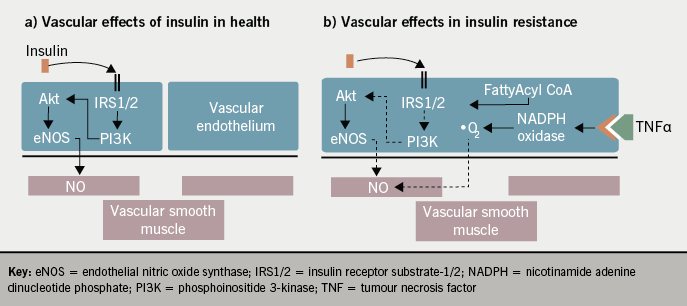
The metabolic effects of insulin are outlined in figure 1. The development of insulin resistance is an independent risk factor for cardiovascular disease and ventricular dysfunction, even prior to the development of type 2 diabetes.3,4 The aetiology of insulin resistance links both metabolic and vascular health. The interaction between adipose tissue and the endothelium in insulin resistance results in decreased endothelial nitric oxide bioavailability.5 This impairs vasodilatation and promotes a prothrombotic state, as well as affecting insulin-mediated capillary recruitment and insulin signalling activity in skeletal muscle as outlined in figure 2. When considering the potential influence of insulin therapy on cardiovascular outcomes it is complicated by the presence of insulin resistance, which is more relevant to those with type 2 diabetes.

Figure 1. The metabolic effects of insulin – through a number of intracellular signalling pathways insulin promotes glycogenesis and inhibits gluconeogenesis in the liver. In the periphery through a number of intracellular signalling pathways, some of which are complex, insulin promotes glucose uptake in muscle and fat and inhibits lipogenesis and lipolysis in adipocytes. (Inhibitory effects of insulin denoted by line with horizontal endplate. Dotted arrows denote complex process)

Figure 2. Effects of insulin on endothelial nitric oxide (NO) bioavailability in health and insulin resistance. In normal health, through intracellular signalling mechanisms, insulin mediates vasodilation in large vessels and probably capillary microcirculation through NO activity (a). In the insulin-resistant state, some intracellular signalling pathways have reduced activity resulting in a reduction in NO and promotion of a prothrombotic state (b) – dotted lines indicate reduced activity

Pharmacology

Insulin is a peptide hormone that is given parenterally. There have been many attempts to deliver insulin by the inhaled or oral routes, but at present the route for routine clinical care remains subcutaneous injection. Commercial insulin is produced by recombinant DNA technology with the principle difference between types being the rate of absorption and duration of action. Broadly speaking insulin can be considered as basal insulin (long acting), prandial insulin (short acting) and mixed insulins (a mixture of long and short acting, normally given twice daily). There are now many analogue insulins available. The basal analogues offer the benefit of a flatter dose–response curve, and, thus, a potential for less hypoglycaemia, and the prandial analogues are faster acting and more likely to mimic the normal first-phase insulin response. In patients with type 1 diabetes, the use of analogue insulins allows the attainment of glycaemic targets with less hypoglycaemia. In patients with type 2 diabetes, the use of more expensive analogue insulins slightly reduces the occurrence of hypoglycaemia, but there is no evidence that they improve prognosis.

Trials of safety and efficacy

Type 1 diabetes

The Diabetes Control and Complications Trial (DCCT) demonstrated that microvascular disease (retinopathy, neuropathy and nephropathy) was reduced in patients with type 1 diabetes who had tighter glycaemic control.6 The DCCT population was young (mean age <30 years) with less than 10 years of diabetes duration, resulting in low absolute rates of cardiovascular events, and was, therefore, unable to determine significant macrovascular benefit.7 Seventeen-year follow-up of the DCCT cohorts by the Epidemiology of Diabetes Interventions (EDIC) group showed that the initial period of intensive glycaemic control was subsequently associated with a 42% reduction (p=0.02) in the risk of any cardiovascular event and a 57% reduction (p=0.02) in nonfatal myocardial infarction, stroke or cardiovascular death.8 These benefits were observed after adjustment for risk factors, such as microalbuminuria and dyslipidaemia, and despite abolition of any differences in glycaemic control by the time of the analysis. The cardiovascular benefit of intensive control in type 1 diabetes may be considered to be a ‘legacy’ of tight glycaemic control early in the history of the disease.

Type 2 diabetes

The United Kingdom Prospective Diabetes Study (UKPDS) identified the benefit of microvascular risk reduction in patients with newly diagnosed type 2 diabetes who had intensive therapy with insulin or sulphonylureas, but did not demonstrate any macrovascular benefit during the mean 10 years of the study intervention.9 The UKPDS 10-year Post-Trial Monitoring (UKPDS PTM), totalling a mean of 20 years of follow-up, demonstrated persisting benefits in the patients who had previously been intensively treated (using either sulphonylureas or insulin) with reductions in total mortality (13%, p=0.007), diabetes-related death (17%, p=0.01) and myocardial infarction (15%, p=0.01).10 Initial intervention in UKPDS was in patients with a short duration of diabetes and, as in DCCT/EDIC, differences in glycaemic control were quickly lost after initial study completion. These findings support a similar ‘legacy effect’ in patients with type 2 diabetes as observed in the patients with type 1 diabetes in DCCT/EDIC.

Glycaemic targets

The Action in Diabetes and Vascular Disease: Preterax and Diamicron Modified Release Controlled Evaluation (ADVANCE) study, the Veteran Affairs Diabetes Trial (VADT) and Action to Control Cardiovascular Risk in Diabetes (ACCORD) study were designed to assess the impact of tight glycaemic control in older patients with longer duration of type 2 diabetes than those in UKPDS and with a greater burden of established cardiovascular disease (CVD). The ADVANCE study reported no significant reduction in major macrovascular events (p=0.32) or death from any cause (p=0.28).11 The ACCORD intensive treatment group had a higher rate of cardiovascular death (hazard ratio [HR] 1.35, 95% confidence interval [CI] 1.04 to 1.76, p=0.02),12 while the VADT trial did not determine any cardiovascular benefit in intensive glucose lowering.13 These studies are not homogenous. ADVANCE patients had a mean duration of diabetes of eight years at study entry and had generally good glycaemic control, with mean HbA1c at baseline of approximately 7.5% in both conventional and intensive groups. Titration of therapy was gradual, and HbA1c had diverged by 36 months, but compared with ACCORD, less insulin was used.11 In ACCORD, a more aggressive approach to blood glucose management was employed with rapid titration of multiple agents (including insulin) to achieve a mean HbA1c of <7% at four months from a higher baseline of 8.3%.12 VADT participants had poorer baseline control with a median HbA1c at baseline of 9.4% and patients in ACCORD and VADT had longer diabetes duration (10 and 11.5 years, respectively).12,13

Interpreting these studies with a clinical perspective and, in particular, the role of insulin on outcomes is difficult. ACCORD had a lower rate of cardiovascular events than expected, despite the increased risk in the intensive group. Insulin therapy was prominent within the intensive group (77.3% compared with 55.4% in the standard group), however, more than 90% of patients in this group (33% of whom had a previous cardiovascular event at baseline) were prescribed rosiglitazone and had lower than expected use of angiotensin-converting enzyme (ACE) inhibitors, which are important confounders.12 Subgroup analysis of these studies reveals that patients with shorter duration of diabetes, better baseline glycaemic control and no previous CVD exhibit a significant improvement in cardiovascular risk with intensive glycaemic management.14 The trend towards benefit in ADVANCE, and the shorter duration of diabetes in these subjects, might be considered further evidence for the ‘legacy effect’ of previous better glycaemic control. Additionally, deteriorating glycaemic control may be of greater cardiovascular impact in patients with type 1 diabetes than in patients with type 2 diabetes.15 This could make mechanistic sense given that insulin resistance is associated with multiple other metabolic abnormalities, in addition to hyperglycaemia, which promote atherosclerosis.

Meta-analysis of these studies, with the addition of the PROactive study, suggests a cardiovascular benefit of glucose lowering. For five years of treatment with a reduction in HbA1c of 0.9%, significant reductions in nonfatal myocardial infarction (17%) and coronary artery events (15%) would be expected, without a clear signal favouring specific treatments.16

While the specific role of insulin in these intensive glycaemic management studies cannot be separately determined, the role of hypoglycaemia is important to consider. In ACCORD, an episode of severe hypoglycaemia was associated with increased risk of death in either arm of the study.12 It is not considered that this is the cause of excess mortality in the intensive treatment arm since the risk of death was lower in those who had experienced a severe hypoglycaemic event in the intensive arm compared with the standard therapy patients.17 In ADVANCE, hypoglycaemia was a marker for multiple adverse outcomes, including respiratory and digestive disorders, and, in VADT, the strongest predictor of cardiovascular death was a prior severe hypoglycaemic event (HR 4.04, p=0.02).14

This evidence has been considered by both the National Institute for Health and Clinical Excellence (NICE) and the Scottish Intercollegiate Guidelines Network (SIGN), and these groups recommend an HbA1c target of 7.0–7.5% in patients with type 2 diabetes, with tighter control at diagnosis (6.5%). Both guideline groups suggest individual patient assessment and the application of pragmatic limits to glycaemic goals with particular emphasis on avoidance of both hypoglycaemia and weight gain.18,19 These recommendations are consistent with the joint position statement from the American Diabetes Association (ADA), American College of Cardiology Foundation (ACCF) and American Heart Association (AHA).20 There is no evidence from these studies to determine whether insulin per se is of particular benefit or harm with respect to CVD. It is, therefore, more important to select the appropriate patient in which to intensify treatment, than the treatment modality used.

Insulin in acute cardiac disease

Acute coronary syndromes

The Diabetes Mellitus Insulin-Glucose Infusion in Acute Myocardial Infarction (DIGAMI) study was designed to assess the effect of tight metabolic control in the context of acute myocardial infarction. Intensive glucose control using insulin-glucose infusion (aiming for a target blood glucose of 7–10.9 mmol/L) was used for the initial 24 hours of in-patient stay, followed by three months of subcutaneous insulin therapy administered in a basal–bolus regimen. Fewer events occurred than predicted, which may have contributed to the lack of significant difference in mortality up to three months. By one year, a relative reduction in mortality of approximately 30% was observed in the infusion group (p=0.027).21 However, subgroup analysis would suggest that this result is predominantly driven by benefit in only the lowest risk patients (low cardiovascular risk profile, no previous insulin treatment). These observations may reflect the reduced power of the study or, in parallel with observations in Steno-2, that glycaemia is a less important cardiovascular risk factor than lipids, blood pressure or smoking.22 Acute hypoglycaemia was more common in patients receiving insulin infusion, but this did not appear to increase mortality.14 DIGAMI could not determine whether the acute control of glycaemia or the three months of subcutaneous therapy was responsible for the improved one-year mortality.21 DIGAMI 2 set out to clarify this point by including a treatment arm with acute insulin infusion, followed by standard control. DIGAMI 2 was hampered by slow recruitment and ultimately lower-than-expected patient numbers, which reduced the power of the study. The observed improved mortality in the original DIGAMI study was not seen in DIGAMI 2, however, this is explained by a number of factors. First, the overall glycaemic control at baseline in DIGAMI 2 was better than in the original study. Second, apart from a difference in glycaemia in the first 24 hours, prolonged follow-up of all three DIGAMI 2 groups did not show any difference in overall glycaemic control. This in itself is partly due to less aggressive glucose reduction in the intensive groups, and greater use of other hypoglycaemic agents in the control group. Third, event rates were lower than expected, which may, in part, be due to greater use of secondary prevention agents and, in part, due to the underpowering of the trial. Perhaps the most important observation from this study is that blood glucose, either measured by plasma glucose or HbA1c is a significant independent predictor of mortality.23 The similar outcomes in all three groups may suggest that glucose-lowering is of benefit, but that specific insulin use is not proven to be of greater benefit than other strategies. More recent observational data from the Euro Heart Survey would suggest that insulin is associated with a poorer prognosis, however, this is likely to reflect a cohort of patients with poorer glycaemic control, greater underlying insulin resistance and more previous cardiovascular events.24 The Bypass Angioplasty Revascularisation Investigation 2 Diabetes (BARI 2D) study has examined the use of insulin versus insulin-sensitising agents in patients with type 2 diabetes undergoing either percutaneous revascularisation or intensive medical therapy. There was no significant difference in mortality or major cardiovascular events between those treated with insulin or other agents even though insulin therapy was associated with both poorer glycaemic control (HbA1c 7.5% vs. 7.0%, p<0.001) and greater risk of hypoglycaemia (p<0.001).25

Heart failure

In states of physiological stress, the autonomic response is deleterious to cardiac function not simply due to the action of catecholamines inducing increased myocardial work, but also related to increased insulin resistance and hyperglycaemia, which induce further metabolic stress on an effectively energy deficient cardiomyocyte. Despite a logical conclusion that restoration of euglycaemia during heart failure should be metabolically (and subsequently functionally) beneficial, there have been concerns that institution of insulin therapy may exacerbate or even provoke heart failure.26 However, in DIGAMI and DIGAMI 2, there was no observed increase in rates of heart failure in insulin treated groups21,23 and in the Hyperglycaemia: Intensive Insulin Infusion in Infarction (HI-5) study 24 hours of intensive insulin-glucose therapy resulted in lower rates of congestive heart failure.27 Additionally, a case–control study of patients with established type 2 diabetes and heart failure did not reveal any increased mortality in those receiving insulin therapy.28 Insulin resistance is independently associated with left ventricular dysfunction,4 and, since clinically, the most insulin-resistant patients often require exogenous insulin therapy to overcome symptomatic hyperglycaemia, there is an opportunity for insulin therapy to confound potential benefit in heart failure because of its use in more metabolically unwell patients. Effectively, insulin therapy in type 2 diabetes is a surrogate marker for more severe insulin resistance and, therefore, potentially more severe heart failure.

Conclusions

Insulin offers a practical and simple method of achieving rapid glycaemic control in many patients with diabetes. In the context of an acute coronary event it should be considered if the diagnosis of diabetes is new or current glycaemic therapy is inadequate. In patients with type 1 diabetes it is a fundamental therapy that should not be stopped, while, in patients with type 2 diabetes, it is part of an increasing formulary of options for achieving glycaemic control. In the longer term, tight glycaemic control using insulin has proven cardiovascular benefit in patients with type 1 diabetes, and is likely to have benefit in patients with type 2 diabetes, provided the appropriate patient is selected, the speed at which therapy is escalated is not excessive and the target aimed for is not unrealistic and does not represent a dangerous risk of hypoglycaemia. The idea of good control ‘at all costs’ is unrealistic and potentially dangerous, particularly in patients with long-standing type 2 diabetes and especially when it would appear that treatment of other established cardiovascular risk factors represents a better risk–benefit balance.

Conflict of interest

MF has recieved honoraria for lectures and advisory boards from Eli Lilly, Novo Nordisk and Sanofi. NB, GM: none declared.

Key messages

  • Intensive insulin treatment in type 1 diabetes significantly reduces diabetic complications, including macrovascular complications
  • In type 2 diabetes, insulin therapy is used to overcome the combination of insulin resistance and beta-cell dysfunction with clear benefits of improved outcomes from microvascular and, although less marked, macrovascular complications. Glycaemic targets remain controversial; weight gain and hypoglycaemia should be avoided if possible
  • Following acute coronary syndromes intravenous insulin followed by subcutaneous insulin can be used to manage hyperglycaemia
  • In patients with chronic heart failure insulin usage is a marker of diabetic patients who have a poor prognosis

References

  1. Baron AD. Hemodynamic actions of insulin. Am J Physiol 1994;267(2 Pt 1):E187–E202.
  2. Sydow K, Mondon CE, Cooke JP. Insulin resistance: potential role of the endogenous nitric oxide synthase inhibitor ADMA. Vasc Med 2005;10(suppl 1):S35–S43.
  3. Hu FB, Stampfer MJ, Solomon CG et al. The impact of diabetes mellitus on mortality from all causes and coronary heart disease in women: 20 years of follow-up. Arch Intern Med 2001;161:1717–23. (doi: 10.1001/archinte.161.14.1717)
  4. Dinh W, Lankisch M, Nickl W et al. Insulin resistance and glycemic abnormalities are associated with deterioration of left ventricular diastolic function: a cross-sectional study. Cardiovasc Diabetol 2010;9:63. (doi: 10.1186/1475-2840-9-63)
  5. Serne EH, de Jongh RT, Eringa EC, Ijzerman RG, de Boer MP, Stehouwer CD. Microvascular dysfunction: causative role in the association between hypertension, insulin resistance and the metabolic syndrome? Essays Biochem 2006;42:163–76. (doi: 10.1042/bse0420163)
  6. The DCCT Research Group. The effect of intensive treatment of diabetes on the development and progression of long-term complications in insulin-dependent diabetes mellitus. The Diabetes Control and Complications Trial Research Group. N Engl J Med 1993;329:977–86. (doi: 10.1056/NEJM199309303291401)
  7. Genuth S. Exogenous insulin administration and cardiovascular risk in non-insulin-dependent and insulin-dependent diabetes mellitus. Ann Intern Med 1996;124(1 Pt 2):104–09.
  8. Nathan DM, Cleary PA, Backlund JY et al. Intensive diabetes treatment and cardiovascular disease in patients with type 1 diabetes. N Engl J Med 2005;353:2643–53. (doi: 10.1056/NEJMoa052187)
  9. UK Prospective Diabetes Study Group. Intensive blood-glucose control with sulphonylureas or insulin compared with conventional treatment and risk of complications in patients with type 2 diabetes (UKPDS 33). UK Prospective Diabetes Study (UKPDS) Group. Lancet 1998;352:837–53. (doi: 10.1016/S0140-6736(98)07019-6)
  10. Holman RR, Paul SK, Bethel MA, Matthews DR, Neil HA. 10-year follow-up of intensive glucose control in type 2 diabetes. N Engl J Med 2008;359:1577–89. (doi: 10.1056/NEJMoa0806470)
  11. Patel A, MacMahon S, Chalmers J et al. Intensive blood glucose control and vascular outcomes in patients with type 2 diabetes. N Engl J Med 2008;358:2560–72. (doi: 10.1056/NEJMoa0802987)
  12. Gerstein HC, Miller ME, Byington RP et al. Effects of intensive glucose lowering in type 2 diabetes. N Engl J Med 2008;358:2545–59. (doi: 10.1056/NEJMoa0802743)
  13. Duckworth W, Abraira C, Moritz T et al. Glucose control and vascular complications in veterans with type 2 diabetes. N Engl J Med 2009;360:129–39. (doi: 10.1056/NEJMoa0808431)
  14. Schernthaner G. Diabetes and cardiovascular disease: is intensive glucose control beneficial or deadly? Lessons from ACCORD, ADVANCE, VADT, UKPDS, PROactive, and NICE-SUGAR. Wien Med Wochenschr 2010;160:8–19. (doi: 10.1007/s10354-010-0748-7)
  15. Juutilainen A, Lehto S, Ronnemaa T, Pyorala K, Laakso M. Similarity of the impact of type 1 and type 2 diabetes on cardiovascular mortality in middle-aged subjects. Diabetes Care 2008;31:714–19. (doi: 10.2337/dc07-2124)
  16. Ray KK, Seshasai SR, Wijesuriya S et al. Effect of intensive control of glucose on cardiovascular outcomes and death in patients with diabetes mellitus: a meta-analysis of randomised controlled trials. Lancet 2009;373:1765–72. (doi: 10.1016/S0140-6736(09)60697-8)
  17. Bonds DE, Miller ME, Bergenstal RM et al. The association between symptomatic, severe hypoglycaemia and mortality in type 2 diabetes: retrospective epidemiological analysis of the ACCORD study. BMJ 2010;340:b4909. (doi: 10.1136/bmj.b4909)
  18. National Institute for Health and Clinical Excellence. Type 2 diabetes: the management of type 2 diabetes. NICE clinical guideline 87. London: NICE, 2009.
  19. Scottish Intercollegiate Guidelines Network. Management of Diabetes. Guideline No. 116. Edinburgh: SIGN, 2010.
  20. Skyler JS, Bergenstal R, Bonow RO et al. Intensive glycemic control and the prevention of cardiovascular events: implications of the ACCORD, ADVANCE, and VA Diabetes Trials: a position statement of the American Diabetes Association and a Scientific Statement of the American College of Cardiology Foundation and the American Heart Association. J Am Coll Cardiol 2009;53:298–304. (doi: 10.1016/j.jacc.2008.10.008)
  21. Malmberg K, Ryden L, Efendic S et al. Randomized trial of insulin-glucose infusion followed by subcutaneous insulin treatment in diabetic patients with acute myocardial infarction (DIGAMI study): effects on mortality at 1 year. J Am Coll Cardiol 1995;26:57–65. (doi: 10.1016/0735-1097(95)00126-K)
  22. Gaede P, Vedel P, Larsen N, Jensen GV, Parving HH, Pedersen O. Multifactorial intervention and cardiovascular disease in patients with type 2 diabetes. N Engl J Med 2003;348:383–93. (doi: 10.1056/NEJMoa021778)
  23. Malmberg K, Ryden L, Wedel H et al. Intense metabolic control by means of insulin in patients with diabetes mellitus and acute myocardial infarction (DIGAMI 2): effects on mortality and morbidity. Eur Heart J 2005;26:650–61. (doi: 10.1093/eurheartj/ehi199)
  24. Anselmino M, Ohrvik J, Malmberg K, Standl E, Ryden L. Glucose lowering treatment in patients with coronary artery disease is prognostically important not only in established but also in newly detected diabetes mellitus: a report from the Euro Heart Survey on Diabetes and the Heart. Eur Heart J 2008;29:177–84. (doi: 10.1093/eurheartj/ehm519)
  25. Frye RL, August P, Brooks MM et al. A randomized trial of therapies for type 2 diabetes and coronary artery disease. N Engl J Med 2009;360:2503–15. (doi: 10.1056/NEJMoa0805796)
  26. Sheehan JP, Sisam DA, Schumacher OP. Insulin-induced cardiac failure. Am J Med 1985;79:147–8. (doi: 10.1016/0002-9343(85)90562-5)
  27. Cheung NW, Wong VW, McLean M. The Hyperglycemia: Intensive Insulin Infusion in Infarction (HI-5) study: a randomized controlled trial of insulin infusion therapy for myocardial infarction. Diabetes Care 2006;29:765–70. (doi: 10.2337/diacare.29.04.06.dc05-1894)
  28. MacDonald MR, Eurich DT, Majumdar SR et al. Treatment of type 2 diabetes and outcomes in patients with heart failure: a nested case-control study from the UK General Practice Research Database. Diabetes Care 2010;33:1213–18. (doi: 10.2337/dc09-2227)