
Contemporary coronary imaging from patient to plaque: part 3 cardiac computed tomography

Br J Cardiol 2010;17:235-9 Leave a comment
Click any image to enlarge
Authors:

The role of cardiac computed tomography (CT) in clinical practice is constantly evolving. Early machines were only capable of measuring coronary calcification. Advances in temporal and spatial resolution, especially the introduction of 64-detector rows, now mean that high-quality non-invasive angiograms are possible in most patients. This review will outline the capabilities and limitations of coronary artery imaging with CT, and also highlight areas that differentiate CT from X-ray angiography, including direct plaque visualisation and potential vulnerable plaque identification.

Development of cardiac computed tomography

The concept of ‘computerised transverse axial scanning’ was first demonstrated by Godfrey Hounsfield nearly 30 years ago.1 Initial computed tomography (CT) scanners required up to 300 seconds for the acquisition of a single image. With such poor temporal resolution they were only suitable for imaging static structures such as the brain.2 The coronary arteries move throughout the cardiac cycle, although their velocity decreases in diastole.3 This underlies the concept of ‘gating’ the scan with the electrocardiogram (ECG), so that data are acquired preferentially during diastole.4 The advent of multi-detector CT (MDCT) has allowed simultaneous acquisition of multiple slices of imaging data. Current CT scanners can deliver a temporal resolution of 75 ms (due to very rapid gantry rotation5) at a spatial resolution of under 400 µm.5

Coronary artery calcium

The advent of electron beam CT (EBCT) in the 1980s gave sufficient temporal resolution to image the coronary arteries.6 Although it could not quantify luminal stenosis, it did allow reliable identification of coronary artery calcification (CAC).7 CT provides good visualisation of vascular calcification because of the marked X-ray attenuation properties of calcium. CAC occurs almost exclusively as a consequence of atherosclerosis and so its presence is a sensitive marker of the atherosclerotic disease process.8 Calcification does not necessarily concentrate at the site of maximal stenosis, so cannot be used to diagnose obstructive coronary disease.9 Instead, the total amount of calcification provides a surrogate measure of the total plaque burden. This burden can be quantified as the ‘Agatston score’, after its pioneer Arthur Agatston.

The CAC score is measured without contrast and is a low radiation scan (1–2 mSv). Multiple large prospective outcome studies of CAC scoring have confirmed the prognostic importance of coronary artery calcium. In a registry of over 25,000 patients, a calcium score of 0 conferred a very low event rate, with 12-year survival of 99.4%.10 A meta-analysis of six studies revealed that an increasing CAC score meant incremental increases in the relative risk (RR) of myocardial infarction (MI) or cardiac death at 3–5 years compared to a zero score: (CAC 1–112 = RR 1.9, 100–400 = 4.3, 400–999 = 7.2 and >1000 = 10.8).11 EBCT has now been superseded by MDCT, but the prognostic message remains the same (figure 1). It should be noted, however, that CAC scoring is not suitable for indiscriminate screening of asymptomatic patients. The likelihood of finding coronary atherosclerosis in low-risk (by Framingham or other scores) patients is too low to warrant imaging, and patients at high risk require risk factor modification irrespective of the result. CAC scoring is most useful in asymptomatic patients at intermediate risk of disease, where a high score will re-classify patients into the high-risk category leading to intensive risk factor modification.12 The National Institute for Health and Clinical Excellence (NICE) have constructed guidelines on the role of CAC and CT coronary angiography (CTCA) in the investigation of symptomatic patients. They suggest patients with suspected cardiac chest pain without confirmed coronary artery disease (CAD) in whom the estimated likelihood of CAD is 10–29% (low-to-intermediate risk) should be offered CAC scoring. If the CAC is 0, other causes of chest pain should be sought. If the CAC is 1–400, then 64-slice CTCA should be offered. If the CAC score is >400, then invasive angiography should be offered if clinically appropriate.13 There are caveats; calcified plaque only represents approximately 20% of the total coronary atherosclerotic burden.14 One series has shown that 4% of symptomatic patients with a reassuring CAC score of 0 had significant stenosis defined at invasive angiography. This can occur when plaques are composed entirely of non-calcified elements.15 The positive correlation seen between CAC scores and cardiac event rates is probably secondary to the increased amounts of non-calcified plaque that accompany the calcified plaque, rather than the direct pathological involvement of the calcified plaques themselves.
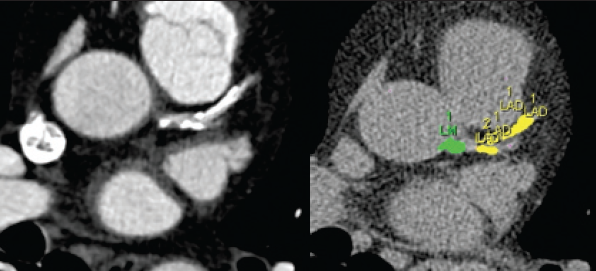
Figure 1. (Left) Contrast enhanced computed tomography (CT) angiogram demonstrating both calcified and non-calcified plaque in the left main and left anterior descending (LAD) arteries (slice width 0.75 mm). (Right) Non-contrast calcium scoring CT. The coloured areas represent calcified plaque with Houndfield Unit (HU) > 130, segmented into left main (green) and LAD (yellow) (slice width 3 mm)

CTCA

In a recently published study examining nearly 400,000 patients who underwent invasive coronary angiography for stable chest pain, 38% were found to have no obstructive coronary disease.16 As invasive angiography has a serious complication rate of one in 1,000, it is desirable for a non-invasive test to replace some of these ‘negative’ procedures. CTCA is widely available and provides the possibility of fulfilling this requirement (figure 2).17
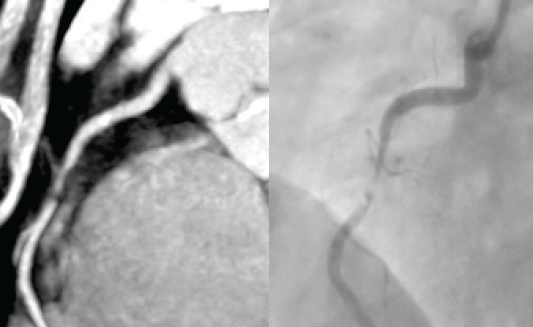
Figure 2. Right coronary artery viewed using CT angiography demonstrating a critical stenosis (left) and same artery shown during invasive angiography (right) for comparison

CTCA is best performed in those in sinus rhythm. Beta blockers and sublingual nitrates are routinely administered. High or irregular heart rates and heavy calcification all reduce the diagnostic accuracy of the technique.18

Several comparator studies of CTCA and invasive angiography have recently reported. The Assessment by Coronary Computed Tomographic Angiography of Individuals Undergoing Invasive Coronary Angiography (ACCURACY) study19 was a multi-centre trial that recruited 230 patients without known CAD, referred for invasive angiography. The prevalence of obstructive disease in the studied population was 13.9%. The sensitivity and specificity of CTCA for detecting obstructive (>70% stenosis) coronary disease was 83% and 83%, respectively. Importantly, the negative predictive value (NPV) was 99%. It should be noted, however, that the positive predictive value (PPV) was only 48%. The PPV of CTCA is increased if it is performed in populations with higher disease prevalence, or if the threshold for diagnosing obstructive stenosis is reduced to 50%. In a study of 360 patients evaluating CTCA in a population with a high prevalence of obstructive disease (68%), Meijboom et al. found a sensitivity, specificity, NPV and PPV to detect stenosis of >50% of 99%, 64%, 97% and 86%, respectively.20

These studies demonstrate the usefulness of CTCA to exclude the diagnosis of obstructive disease in populations with suspected CAD. However, they also demonstrate only moderate PPV, a problem attributable to a comparatively high rate of false positives reported with CTCA. CTCA is of limited value in patients at very low risk of CAD, not least because PPV is reduced in populations with very low disease prevalence. Conversely, it does not add to the management of high-risk patients who will already be undergoing intensive medical therapy, and who will still require invasive angiography if revascularisation is being considered. Recent consensus guidelines12 suggest that CTCA is an appropriate investigation to:

  1. Evaluate patients with stable chest pain and an intermediate pre-test probability of CAD with an un-interpretable or equivocal stress test.
  2. In acute chest pain with an intermediate pre-test probability of CAD and no ECG or enzyme changes suggestive of acute coronary syndrome (ACS).
  3. To evaluate congenital coronary abnormalities.
  4. To assess the aetiology of new-onset heart failure.

Atherosclerotic plaque imaging using CT

Conventional angiography visualises only the arterial lumen. A potential advantage of CT is the ability to highlight plaque within the wall. Quantification of this plaque provides a truer portrait of the extent of coronary disease as it will include plaque in arteries with ‘positive remodelling’, where the arterial segment has expanded outward to accommodate the plaque with minimal lumen loss. The composition of plaque is more important for risk stratification than the stenosis it causes; the majority (approximately two-thirds) of MIs result from disruption of plaques causing less than 50% stenosis.21 In broad terms, cardiac CT can detect three different types of coronary plaque; calcified, non-calcified and mixed (elements of both).

Atherosclerosis imaging requires contrast-enhanced scans with the highest possible spatial resolution. A study comparing 64-slice CT with intravascular ultrasound (IVUS) reported that CTCA correctly identified 95% of calcified plaques, 83% of non-calcified plaques and 94% of mixed plaques.22 Plaque volume estimation by CT shows moderate correlation with IVUS, however, inter-observer variability is high.23,24 Over-estimating calcified plaque volume is a common problem with CT as the attenuation of calcium is so much greater than other structures – this results in ‘partial voluming’.25

Prognostically, the presence of plaque of any degree is important. In a prospective study of 100 patients, there was a higher cardiovascular event rate at 16 months in those with demonstrated coronary plaque compared with those with no disease, even if the plaque was non-obstructive.26 Interestingly, the prevalence of non-calcified plaque is higher in the culprit lesions of patients with ACS than those with stable angina.27

CT for the detection of vulnerable plaque

Analysis of post-mortem studies reveals that plaque rupture is the precipitating event in approximately two-thirds of cases of fatal coronary thrombosis.22 Plaques at risk of rupture have a specific morphology – the ‘thin-capped fibroatheroma’ (TCFA), with large, lipid-rich necrotic cores and thin overlying fibrous caps (<65 µm).28 Aggressive medical treatment has been shown to reduce clinical events in some patients that do not score highly using Framingham scores.29 In view of this, there is a requirement for a non-invasive modality that can detect high-risk coronary plaques to allow intensive treatment of potentially vulnerable patients. Pundziute et al. performed 64-slice CT and virtual histology IVUS (VH-IVUS) in patients with ACS or stable angina. They found that non-calcified plaque and mixed plaque were more prevalent in ACS patients, while calcified plaques were more prevalent in stable patients. They also found that VH-IVUS-defined TCFAs were more common in patients with ACS than stable angina, and that the TCFAs most frequently occurred in plaques classified as mixed by CT.30 Attempts to identify TCFA using CT alone are hampered by technical challenges. The maximum spatial resolution of modern CT scanners is 330 µm. Given that the fibrous cap of the TCFA is by definition less than 65 µm in diameter, we have to accept that it will not be possible to image thin fibrous caps by CT. Lipid-rich necrotic core detection is more feasible appearing as areas of low attenuation on CT (figure 3).
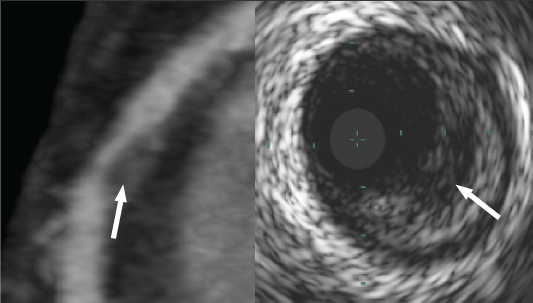
Figure 3. Lipid pool on cardiac CT and intravascular ultrasound (IVUS). CT (left) showing plaque with low attenuation area (white arrow) and corresponding IVUS frame (right) demonstrating echolucent area within plaque (white arrow)

Work using phantoms has shown that it is theoretically possible to differentiate soft (lipid) and intermediate (fibrous) components of non-calcified plaque on the basis of their attenuation values.31,32 Studies comparing CT with IVUS and post-mortem histology have confirmed that lipid-rich plaque has lower attenuation than fibrous plaque.33,34 However, its utility is limited by overlap of the two attenuation ranges, and by the fact that lipid cores may be beyond the spatial resolution of CT. This can be overcome by imaging only the larger proximal coronary segments, which in one study allowed identification of 70% of lipid pools compared with IVUS.35 There are two other features of plaque vulnerability detectable by CT, namely positive remodelling36 and spotty calcification37 (figure 4).
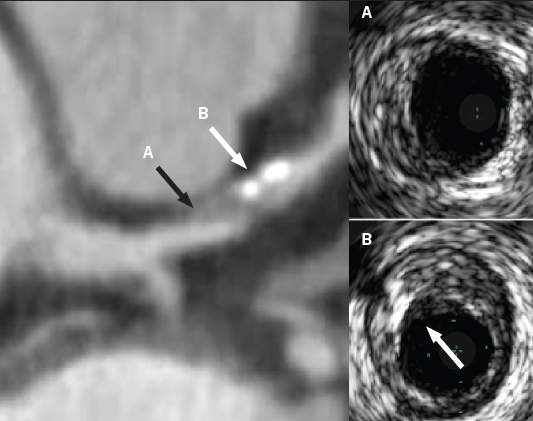
Figure 4. CT (left) of left anterior descending artery demonstrating features of vulnerability: positive remodelling with low attenuation plaque (black arrow) and spotty calcification (white arrow), with corresponding IVUS frames (right)

A CT study in patients with either ACS or stable angina documented the presence of low attenuation plaque (<30 HU) as well as positive remodelling and spotty calcification. All three high-risk features were significantly more common in the arteries of those with ACS than stable symptoms. In addition, the presence of all three features yielded a PPV of 95% that the plaque was associated with an ACS, and the absence of all three features had a NPV of 100%.38 Importantly, this group of investigators have used the same CT features to perform a prospective study of over 1,000 patients followed for two years. They found that both positive arterial remodelling and plaques with attenuation values <30 HU were both independently associated with subsequent ACS, and that the presence of both together gave a hazard ratio of 23.39

Future developments

The field of cardiac CT continues to develop at a fast pace. Recent innovations include 320-detector machines that can image the heart in a single beat, and dual-source imaging with two X-ray sources and two detector arrays5 delivering superior temporal resolution.40,41 There has been concern recently regarding the dose of radiation attributed to cardiac CT.42 The radiation dose of a CTCA examination varies, depending on the patient, scanner, and protocol used. From early reports of doses in excess of 20 mSv,12 multiple dose-reduction strategies have been devised including reduced tube voltage,43 tube current modulation,44 very high pitch imaging45 and prospective gating.46 A recent series using dual-source CT with high pitch reported diagnostic images at less than 1 mSv.45

The ability of CT to classify coronary plaque opens up the possibility of better risk prediction. There is also potential for serial plaque imaging to track the effect of drugs on coronary atherosclerosis. Sequential CAC scores have proven unreliable in detecting plaque regression to date, with a large placebo-controlled trial showing no decrease with statin therapy, despite a significant reduction in low-density lipoprotein (LDL)-cholesterol.47 It has been suggested that a more accurate analysis of plaque progression/regression can be achieved by quantification of all plaque types and not just calcified plaque.48 Classifying non-calcified plaque more precisely could potentially detect ‘vulnerable plaque’. With current scanner technology a dramatic increase in spatial resolution is unlikely in the near future, however, there are other potential avenues to improve detection of vulnerable plaque. These include the use of multiple energy data sets to reduce the overlap of the attenuation of plaque components, which would improve their classification,17 and the possibility of new contrast agents to target inflammatory components, such as macrophages, to highlight areas of potential vulnerability.49

Acknowledgements

Work described in this manuscript was part-funded by the NIHR Cambridge Biomedical Research Centre. Dr D R Obaid is the recipient of a Sackler award.

Conflict of interest

None declared.

Editors’ note

This article follows previous articles in this series on IVUS-derived virtual histology (2010;17:129–32) and optical coherence tomography (2010;17:190–3). See also the editorial by Alfakih and Budoff regarding the radiation burden associated with MDCT on pages 207-08 of this issue.

Key messages

  • Indiscriminate use of calcium scoring or computed tomography (CT) angiography in asymptomatic patients as a screening tool for coronary disease is not supported
  • Calcium scoring can provide prognostic information in selected patients above that obtained from conventional risk factors
  • CT angiography can be useful to exclude significant coronary disease in symptomatic patients at low-to-intermediate risk
  • Cardiac CT visualises coronary plaque, as well as lumen, and may provide the opportunity to detect ‘vulnerable’ plaque in the future

References

1. Hounsfield GN. Computerized transverse axial scanning (tomography). 1. Description of system. Br J Radiol 1973;46:1016–22.

2. Hounsfield GN. The E.M.I. scanner. Proc R Soc Lond B Biol Sci 1977;195:281–9.

3. Achenbach S, Ropers D, Holle J, Muschiol G, Daniel WG, Moshage W. In-plane coronary arterial motion velocity: measurement with electron-beam CT. Radiology 2000;216:457–63.

4. Sagel SS, Weiss ES, Gillard RG et al. Gated computed tomography of the human heart. Invest Radiol 1977;12:563–6.

5. Flohr TG, McCollough CH, Bruder H et al. First performance evaluation of a dual-source CT (DSCT) system. Eur Radiol 2006;16:256–68.

6. Boyd DP, Lipton MJ. Cardiac computed tomography. Proceedings of the IEEE 1982;71:298–307.

7. Agatston AS, Janowitz WR, Hildner FJ et al. Quantification of coronary artery calcium using ultrafast computed tomography. J Am Coll Cardiol 1990;15:827–32.

8. Stary HC. Composition and classification of human atherosclerotic lesions. Virchows Arch A Pathol Anat Histopathol 1992;421:277–90.

9. Beckman JA, Ganz J, Creager MA, Ganz P, Kinlay S. Relationship of clinical presentation and calcification of culprit coronary artery stenoses. Arterioscler Thromb Vasc Biol 2001;21:1618–22.

10. Budoff MJ, Shaw LJ, Liu ST et al. Long-term prognosis associated with coronary calcification: observations from a registry of 25,253 patients. J Am Coll Cardiol 2007;49:1860–70.

11. Greenland P, Bonow RO, Brindage BH et al. ACCF/AHA 2007 clinical expert consensus document on coronary artery calcium scoring by computed tomography in global cardiovascular risk assessment and in evaluation of patients with chest pain: a report of the American College of Cardiology Foundation Clinical Expert Consensus Task Force (ACCF/AHA Writing Committee to Update the 2000 Expert Consensus Document on Electron Beam Computed Tomography) developed in collaboration with the Society of Atherosclerosis Imaging and Prevention and the Society of Cardiovascular Computed Tomography. J Am Coll Cardiol 2007;49:378–402.

12. Schroeder S, Achenbach S, Bengel F et al. Cardiac computed tomography: indications, applications, limitations, and training requirements: report of a Writing Group deployed by the Working Group Nuclear Cardiology and Cardiac CT of the European Society of Cardiology and the European Council of Nuclear Cardiology. Eur Heart J 2008;29:531–56.

13. National Institute for Health and Clinical Excellence. Chest pain of recent onset: assessment and diagnosis of recent onset chest pain or discomfort of suspected cardiac origin. (Final draft). London: NICE, 2010.

14. Rumberger JA, Simons DB, Fitzpatrick LA, Sheedy PF, Schwartz RS. Coronary artery calcium area by electron-beam computed tomography and coronary atherosclerotic plaque area. A histopathologic correlative study. Circulation 1995;92:2157–62.

15. Rosen BD, Fernandes V, McClelland RL et al. Relationship between baseline coronary calcium score and demonstration of coronary artery stenoses during follow-up MESA (Multi-Ethnic Study of Atherosclerosis). JACC Cardiovasc Imaging 2009;2:1175–83.

16. Patel MR, Peterson ED, Dai D et al. Low diagnostic yield of elective coronary angiography. N Engl J Med 2010;362:886–95.

17. Halliburton SS. Recent technologic advances in multi-detector row cardiac CT. Cardiol Clin 2009;27:655–64.

18. Sirol M, Sanz J, Henry P, Rymer R, Leber A. Evaluation of 64-slice MDCT in the real world of cardiology: a comparison with conventional coronary angiography. Arch Cardiovasc Dis 2009;102:433–9.

19. Budoff MJ, Dowe D, Jolly JG et al. Diagnostic performance of 64-multidetector row coronary computed tomographic angiography for evaluation of coronary artery stenosis in individuals without known coronary artery disease. J Am Coll Cardiol 2008;52:1724–32.

20. Meijboom WB, Meijs MF, Schuijf JD et al. Diagnostic accuracy of 64-slice computed tomography coronary angiography: a prospective, multicenter, multivendor study. J Am Coll Cardiol 2008;52:2135–44.

21. Falk E, Shah PK, Fuster V. Coronary plaque disruption. Circulation 1995;92:657–71.

22. Virmani R, Burke AP, Farb A, Kolodgie FD. Pathology of the vulnerable plaque. J Am Coll Cardiol 2006;47(8 Suppl):C13–C18.

23. Achenbach S, Moselewski F, Ropers D et al. Detection of calcified and noncalcified coronary atherosclerotic plaque by contrast-enhanced, submillimeter multidetector spiral computed tomography: a segment-based comparison with intravascular ultrasound. Circulation 2004;109:14–17.

24. Moselewski F, Ropers D, Pohle K et al. Comparison of measurement of cross-sectional coronary atherosclerotic plaque and vessel areas by 16-slice multidetector computed tomography versus intravascular ultrasound. Am J Cardiol 2004;94:1294–7.

25. Schoenhagen P, Barreto M, Halliburton SS. Quantitative plaque characterization with coronary CT angiography (CTA): current challenges and future application in atherosclerosis trials and clinical risk assessment. Int J Cardiovasc Imaging 2008;24:313–16.

26. Pundziute G, Schuijf JD, Jukema JW et al. Prognostic value of multislice computed tomography coronary angiography in patients with known or suspected coronary artery disease. J Am Coll Cardiol 2007;49:62–70.

27. Hoffmann U, Moslewski F, Nieman K et al. Noninvasive assessment of plaque morphology and composition in culprit and stable lesions in acute coronary syndrome and stable lesions in stable angina by multidetector computed tomography. J Am Coll Cardiol 2006;47:1655–62.

28. Kolodgie FD, Burke AP, Farb A et al. The thin-cap fibroatheroma: a type of vulnerable plaque: the major precursor lesion to acute coronary syndromes. Curr Opin Cardiol 2001;16:285–92.

29. Ridker PM, Danielson E, Fonseca FA et al. Rosuvastatin to prevent vascular events in men and women with elevated C-reactive protein. N Engl J Med 2008;359:2195–207.

30. Pundziute G, Schuijf JD, Jukema JW et al. Evaluation of plaque characteristics in acute coronary syndromes: non-invasive assessment with multi-slice computed tomography and invasive evaluation with intravascular ultrasound radiofrequency data analysis. Eur Heart J 2008;29:2373–81.

31. Horiguchi J, Fujioka C, Kiguchi M et al. Soft and intermediate plaques in coronary arteries: how accurately can we measure CT attenuation using 64-MDCT? AJR Am J Roentgenol 2007;189:981–8.

32. Schroeder S, Flohr T, Kopp AF et al. Accuracy of density measurements within plaques located in artificial coronary arteries by X-ray multislice CT: results of a phantom study. J Comput Assist Tomogr 2001;25:900–06.

33. Schroeder S, Kuettner A, Leitritz M et al. Reliability of differentiating human coronary plaque morphology using contrast-enhanced multislice spiral computed tomography: a comparison with histology. J Comput Assist Tomogr 2004;28:449–54.

34. Pohle K, Achenbach S, Macneill B et al. Characterization of non-calcified coronary atherosclerotic plaque by multi-detector row CT: comparison to IVUS. Atherosclerosis 2007;190:174–80.

35. Leber AW, Becker A, Knez A et al. Accuracy of 64-slice computed tomography to classify and quantify plaque volumes in the proximal coronary system: a comparative study using intravascular ultrasound. J Am Coll Cardiol 2006;47:672–7.

36. Schoenhagen P, Ziada KM, Kapadia SR, Crowe TD, Nissen SE, Tuzcu EM. Extent and direction of arterial remodeling in stable versus unstable coronary syndromes: an intravascular ultrasound study. Circulation 2000;101:598–603.

37. Ehara S, Kobayashi Y, Yoshiyama M et al. Spotty calcification typifies the culprit plaque in patients with acute myocardial infarction: an intravascular ultrasound study. Circulation 2004;110:3424–9.

38. Motoyama S, Kondo T, Sarai M et al. Multislice computed tomographic characteristics of coronary lesions in acute coronary syndromes. J Am Coll Cardiol 2007;50:319–26.

39. Motoyama S, Sarai M, Harigaya H et al. Computed tomographic angiography characteristics of atherosclerotic plaques subsequently resulting in acute coronary syndrome. J Am Coll Cardiol 2009;54:49–57.

40. Ropers U, Ropers D, Pflederer T et al. Influence of heart rate on the diagnostic accuracy of dual-source computed tomography coronary angiography. J Am Coll Cardiol 2007;50:2393–8.

41. Alkadhi H, Scheffel H, Desbiolles L et al. Dual-source computed tomography coronary angiography: influence of obesity, calcium load, and heart rate on diagnostic accuracy. Eur Heart J 2008;29:766–76.

42. Fazel R, Krumholz HM, Wang Y et al. Exposure to low-dose ionizing radiation from medical imaging procedures. N Engl J Med 2009;361:849–57.

43. Bischoff B, Hein F, Meyer T et al. Impact of a reduced tube voltage on CT angiography and radiation dose: results of the PROTECTION I study. JACC Cardiovasc Imaging 2009;2:940–6.

44. Herzog P, Jakobs TF, Wintersperger BJ, Nikolaou K, Becker CR, Reiser MF. [Radiation dose and dose reduction in multidetector row CT (MDCT)]. Radiologe 2002;42:691–6.

45. Achenbach S, Marwan M, Ropers D et al. Coronary computed tomography angiography with a consistent dose below 1 mSv using prospectively electrocardiogram-triggered high-pitch spiral acquisition. Eur Heart J 2010;31:340–6.

46. Hsieh J, Londt J, Vass M et al. Step-and-shoot data acquisition and reconstruction for cardiac x-ray computed tomography. Med Phys 2006;33:4236–48.

47. Raggi P, Davidson M, Callister TQ et al. Aggressive versus moderate lipid-lowering therapy in hypercholesterolemic postmenopausal women: Beyond Endorsed Lipid Lowering with EBT Scanning (BELLES). Circulation 2005;112:563–71.

48. Lehman SJ, Schlett CL, Bamberg F et al. Assessment of coronary plaque progression in coronary computed tomography angiography using a semiquantitative score. JACC Cardiovasc Imaging 2009;2:1262–70.

49. Hyafil F, Cornily JC, Feig JE et al. Noninvasive detection of macrophages using a nanoparticulate contrast agent for computed tomography. Nat Med 2007;13:636–41.

A single defibrillation safety margin test is sufficient in most ICD patients: experience from a UK tertiary centre

Br J Cardiol 2010;17:240–3 Leave a comment
Click any image to enlarge
Authors:

Ventricular fibrillation (VF) is induced at the time of implantable cardioverter defibrillator (ICD) implantation in the UK, typically at least twice, with defibrillation 10 J below the maximum output. With the advent of modern leads/devices a single test may be sufficient.

240-img-1We retrospectively evaluated our ICD database between September 2006 and October 2007 to determine baseline patient/procedure characteristics and details of defibrillation threshold assessment during implant. All patients underwent at least two defibrillation safety margin (DSM) tests (10 J below the maximum output of the device). Logistic regression analysis was performed to identify factors predicting two successful consecutive DSM tests (with 10 J safety margin). A total of 264 procedures were performed (mean age ± standard error: 65.6 ± 0.8 years); 258 (97.7%) patients had successful first DSM test (with 10 J safety margin), the remaining six (2.3%) needing interventions with resultant two successful consecutive DSM tests (with 10 J safety margin). Of the 258 patients, 253 had a successful second DSM test (with 10 J safety margin), the remaining five successfully cardioverted at maximum output; the latter were tested again (without additional intervention) and all had a successful third DSM test (with 10 J safety margin). Successful first DSM test was an independent predictor of success for two consecutive DSM tests (p<0.001).
In conclusion, with modern leads and devices, a single successful DSM test is sufficient. This may be particularly important in patients in whom multiple VF inductions would be undesirable, such as those with severe left ventricular systolic impairment.

Introduction

Implantable cardioverter defibrillators (ICDs) are designed to treat ventricular arrhythmias and their efficacy is commonly tested at implantation. The defibrillation threshold (DFT) is the minimum electrical dosage that successfully terminates ventricular fibrillation (VF). The DFT test has been defined as the minimal energy at which at least two defibrillation shocks successfully terminate induced VF.1 A DFT test involves multiple VF inductions to ensure the device can sense, detect and convert VF. Defibrillation is a probabilistic phenomenon in which the higher the shock strength, the higher the likelihood of successful defibrillation. The most common approach in clinical practice to approximating the DFT is to induce VF at least twice and defibrillate the patient with an energy at least 10 J less than the maximum output of the ICD.2 This method ensures an adequate safety margin in most patients, although it does not determine the actual DFT.3 With the advent of modern leads and devices, this strategy of double defibrillation safety margin (DSM) testing (at least 10 J below the maximum output of the device each time) may be unnecessary, particularly in patients with severe left ventricular (LV) systolic impairment.

Methods

We retrospectively evaluated our ICD database at Glenfield Hospital, University Hospitals of Leicester, UK from September 2006 to October 2007. Information collected included baseline patient characteristics, ICD indication, lead/generator data, procedure time and data on DFT assessment. All our patients underwent DFT assessment at implant using the following protocol: VF induced in all using 30–50 Hz burst pacing, shock on T-wave or DC fibber induction; the device was programmed to deliver an initial shock ≥10 J below the maximum output of the device, and if this failed, a second shock at maximum output. An external biphasic 360 J shock was given if both ICD shocks failed. A second VF induction was performed in all patients with the same protocol as above; there was a five minute waiting period between tests. A successful DSM test was defined as VF cardioversion at ≥10 J below the maximum output of the device. If a patient failed the first DSM test, additional manoeuvres were performed to achieve successful defibrillation with ≥10 J safety margin for two consecutive tests. These manoeuvres included ICD lead repositioning, addition or removal of superior vena cava coil, shock polarity reversal, or fixed pulse width programming. For patients who failed the second DSM test (but passed the first), a third DSM test was performed without performing additional manoeuvres to the device or lead. Data on mortality of the cohort at follow-up were also collected.

Predictors of success for two consecutive successful DSM tests were assessed using binary logistic regression analysis. Mean values are given with standard error of mean (SEM). All statistical analyses were performed using SPSS version 12.0.

Results

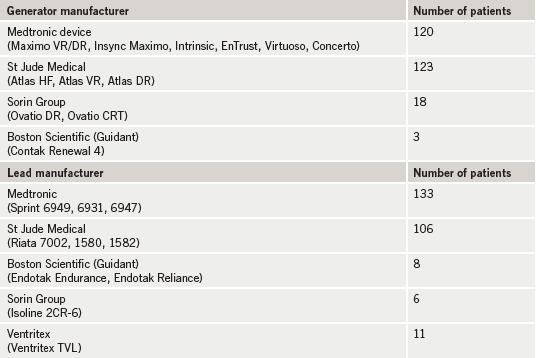
A total of 264 procedures were performed with the ICD tested in all (212 males and 52 females). The mean age ± SEM of the cohort was 65.6 ± 0.8 years; 225 (85%) patients had a new generator and leads (of which 199 were completely new implants), 38 (14%) had a new pulse generator only and one new ICD lead only. A variety of modern devices and ICD leads were used (table 1). One hundred and fifteen patients (44%) had ICD implantation for primary prevention and 149 (56%) for secondary prevention. The aetiology was ischaemic in 156 (59%) patients and non-ischaemic in 108 (41%).

Table 1. Details of generator and lead manufacturers in our implantable cardioverter defibrillator (ICD) cohort (n=264)

Prevalence of poor LV function (defined as ejection fraction [EF] <30%) was 73.9%, moderate LV function (EF 30–50%) 15.0% and good LV function (EF >50%) 11.1%. Mean QRS duration on resting 12-lead electrocardiogram (ECG) was 130.2 ± 3.0 ms. Mean implantation procedure time was 89.8 ± 3.6 minutes. The mean implant data for the right ventricle (RV) ICD lead were: R-wave amplitude 15.2 ± 0.4 mV (range 5–30 mV), impedance 732.1 ± 13.8 Ω and threshold 0.66 ± 0.03 [email protected] ms. Single-chamber ICDs were implanted in 118 and dual-chamber in 146 (including 70 cardiac resynchronisation therapy ICDs). A single RV coil was used in 22% of the cohort with the remainder having dual coils. All ICD leads were placed at the right ventricular apex.

Figure 1 shows the outcome of DFT assessment for the whole cohort. Successful first DSM test was noted in 258 (97.7%). Of these, 253 had a successful second DSM test with five failing the second DSM test (with ≥10 J safety margin) but successfully defibrillating at maximum output. These five patients underwent a further DSM test (with no device modifications/manoeuvres performed) and passed a third DSM test (with ≥10 J safety margin). Of the six (2.3%) patients who failed the first DSM test (with ≥10 J safety margin), all underwent device/lead modification (mentioned previously) before further testing and all six subsequently passed two consecutive DSM tests (with ≥10 J safety margin).

Figure 1. Flow chart illustrating outcomes of cohort studied

All patients had good sensing of induced VF, and where a shock was successful there was prompt termination of VF. There were no differences in the success rate between those with single- and double-shocking coils. Excluding those patients who had a pulse generator change only from analysis did not affect the findings. There were no adverse clinical events during defibrillation testing in our cohort.

There were 31 deaths in our cohort at a mean follow-up of 2.9 ± 0.02 years following device implantation. There were no significant differences in success of initial defibrillation testing between those that died at follow-up compared with those who did not die.

Using logistic regression analysis a successful first DSM test (with ≥10 J safety margin) was found to be the only independent predictor of success for two consecutive DSM tests with ≥10 J safety margin (p<0.001). Age, sex, number of coils on the ICD lead, aetiology, RV lead data at implant and LV function were not significant predictors of success for two consecutive shocks with ≥10 J safety margin.

Discussion

The goal of defibrillation testing is to ensure the maximal energy output of the device has an extremely high (>99%) probability of terminating VF in a given patient. Most UK centres perform DSM testing at implant, typically with a protocol of two defibrillations at a minimum of 10 J below the maximum output of the device. However, our study suggests this strategy of testing twice may be unnecessary in most patients. Our cohort consisted of patients with both primary and secondary indications and utilised a variety of generator and lead manufacturers. We demonstrated that almost all patients had a successful first DSM test (with 10 J ‘safety margin’) and the vast majority passed the second DSM test (10 J safety margin again) as well. The minority that failed the second DSM test (but successfully defibrillated at maximum output) all passed a third DSM test (with 10 J safety margin) suggesting no incremental benefit of performing the second test. This is particularly important as performing defibrillation testing can be associated with serious complications including post-shock stroke, heart failure, cardiogenic shock, embolic events and even death.4,5 Brignole et al.5 found that life-threatening intra-operative complications occurred in 22 (0.4%) patients out of a cohort of 5,501 patients.

With modern leads, devices and biphasic shocks the number of patients who fail DFT assessment has become small.6 A true probability curve is not constructed in most labs following implantation, the majority performing two DSM tests instead.3 Questions have been raised about the need or benefit for testing at all.7-9 Our data suggest that in a contemporary unselected cohort, very few fail a DSM test, irrespective of ICD indication. A successful first DSM test was predictive of two successful DSM tests suggesting the second test was unnecessary. In the Arrhythmia Single Shock Defibrillation Threshold Testing Versus Upper Limit of Vulnerability: Risk Reduction Evaluation (ASSURE) trial, 426 patients with standard ICD indications were prospectively studied to determine efficacy of DSM testing with a single VF induction and delivery of 14 J shock versus a vulnerability safety margin test (VSM);10 328 patients passed a DSM and/or VSM test at 14 J and two confirmatory 21 J shocks and were included in the analysis cohort. These patients had their device programmed to deliver the first shock at 21 J (10 J below the maximum output) and were followed for 9.5 ± 4.5 months. There were 45 treated episodes in 25 patients with the vast majority (85%) terminated with 21 J and all terminated at 31 J.

These findings were in keeping with the Low Energy Safety Study (LESS) trial11 in which 318 patients were programmed to a maximum output of 31 J during follow-up; 254 had successful defibrillation with 14 J shock at VF induction. Over a follow-up of 24 ± 12 months there were 112 VF/VT episodes with no difference in the success of the first or second shocks for termination of ventricular tachyarrhythmia whether the patients had an initial success at 14 J or underwent more extensive testing. A re-analysis of the LESS data found an initial shock at 14 J had a positive predictive accuracy that was not significantly different from that of two successful shocks at 17 J and 21 J.12

In contrast to the ASSURE and LESS trials (which used 14 J to defibrillate), we evaluated DFT at ≥10 J below the maximum output of the device. Whether we would have achieved the same results had we used 14 J instead is unknown. A recently published study in patients with a primary prevention indication and stable heart failure suggested that most patients had a low baseline DFT, in keeping with our study.13 That study also found that DFT testing did not predict long-term mortality or shock efficacy.

Our study does not provide data on whether DSM testing correlates with successful termination of spontaneous ventricular arrhythmias at long-term follow-up. The latter is clinically important and long-term follow-up of this and other cohorts will address this important issue. However, mortality in our cohort at follow-up was not correlated with DSM testing at implant.

Conclusion

With the advent of modern leads and high energy devices, the strategy of double DSM testing may be unnecessary. We suggest a successful single DSM test with good sensing and prompt arrhythmia termination is adequate and does not require further VF induction at ICD implant. The need for DFT testing at all during ICD implant is under considerable debate and our data suggest that DFT testing may, in fact, be unnecessary in patients during ICD implant.

Conflict of interest

None declared.

Key messages

  • The current study suggests that double defibrillation safety margin (DSM) testing at ICD implant is unnecessary
  • With the advent of modern devices and leads, a single test is sufficient in the vast majority for both primary and secondary prevention indications. This is particularly important in patients in whom multiple VF inductions would be undesirable, such as those with severe left ventricular systolic impairment
  • A successful first DSM test with 10 J safety margin independently predicts success of two consecutive DSM tests

References

1. Gerstenfeld EP. Defibrillation threshold testing: is one shock enough? Heart Rhythm 2005;2:123–4.

2. Curtis A. Defibrillation threshold testing in implantable cardioverter-defibrillators. Might less be more than enough? J Am Coll Cardiol 2008;52:557–8.

3. Barold SS, Herweg B, Curtis AB. The defibrillation safety margin of patients receiving ICDs: a matter of definition. Pacing Clin Electrophysiol 2005;28:881–2.

4. Birnie D, Tung S, Simpson C et al. Complications associated with defibrillation threshold testing: the Canadian experience. Heart Rhythm 2008;5:387–90.

5. Brignole M, Raciti G, Bongiorni M et al. Defibrillation testing at the time of implantation of cardioverter defibrillator in the clinical practice: a nation-wide survey. Europace 2007;9:540–3.

6. Day JD, Olshansky B, Moore S et al. High defibrillation energy requirements are encountered rarely with modern dual-chamber implantable cardioverter-defibrillator systems. Europace 2008;10:347–50.

7. Curtis A. Defibrillator implantation without induction of ventricular fibrillation: good enough? Circulation 2007;115:2370–2.

8. Viskin S, Rosso R. The top 10 reasons to avoid defibrillation threshold testing during ICD implantation. Heart Rhythm 2008;5:391–3.

9. Gula L, Massel D, Krahn A et al. Is defibrillation testing still necessary? A decision analysis and Markov model. J Cardiovasc Electrophysiol 2008;19:400–05.

10. Day JD, Doshi RN, Belott P et al. Inductionless or limited shock testing is possible in most patients with implantable cardioverter-defibrillators/cardiac resynchronization therapy defibrillators: results of the multicenter ASSURE study (Arrhythmia Single Shock Defibrillation Threshold Testing Versus Upper Limit of Vulnerability: Risk Reduction Evaluation With Implantable Cardioverter-Defibrillator Implantations). Circulation 2007;115:2382–9.

11. Gold M, Breiter D, Leman R et al. Safety of a single successful conversion of ventricular fibrillation before the implantation of cardioverter defibrillators. Pacing Clin Electrophysiol 2003;26:483–6.

12. Higgins S, Mann D, Calkins H et al. One conversion of ventricular fibrillation is adequate for implantable cardioverter-defibrillator implant: an analysis from the Low Energy Safety Study (LESS). Heart Rhythm 2005;2:117–22.

13. Blatt JA, Poole JE, Johnson GW et al. No benefit from defibrillation threshold testing in the SCD-HeFT (Sudden Cardiac Death in Heart Failure Trial). J Am Coll Cardiol 2008;52:551–6.

Aneurysmal saphenous vein graft rupture: late complication of coronary artery bypass surgery

Br J Cardiol 2010;17:244 Leave a comment
Click any image to enlarge
Authors:

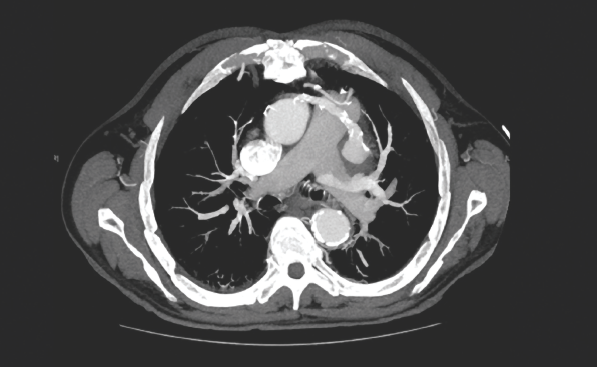
A 72-year-old man, who underwent coronary artery bypass grafting 14 years previously, presented with sharp posterior chest pain and presyncope.

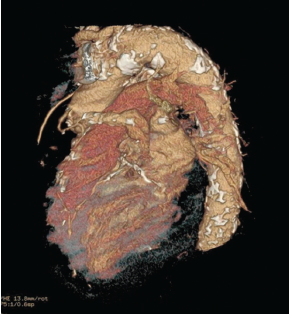
Figure 1. CT scan showing aneurysmal dilatation of saphenous vein graft

Computed tomography (CT) demonstrated aneurysmal dilatation of a saphenous vein graft with irregularity of the aneurysmal sac suggestive of rupture and moderate haemo-pericardium (figures 1 and 2).

Figure 2. 3D reconstruction from CT angiogram

Invasive angiography showed no residual leak with modest perfusion of the distal vessel. The size of the aneurysmal segment and the presence of distal perfusion precluded the use of a polytetrafluoroethylene ‘covered’ stent or occlusion device. He remained haemodynamically stable and pain free, and the effusion resolved. Giant (>4 cm) saphenous vein graft aneurysm formation is a rare but potentially fatal late complication of bypass surgery.

Conflict of interest

None declared.

Ictal bradycardia and asystole associated with intractable epilepsy: a case series

Br J Cardiol 2010;17:245–8 Leave a comment
Click any image to enlarge
Authors:

Ictal bradycardia/asystole is a poorly recognised cause of collapse late in the course of a typical complex partial seizure. Its recognition is important as it might potentially lead to sudden unexpected death in epilepsy (SUDEP). We present five patients with intractable complex partial seizures who had associated ictal bradycardia/asystole. All the patients underwent cardiac pacing to potentially prevent SUDEP. It is important to recognise and treat ictal asystole early, and to achieve this there is need for both an increase in epilepsy monitoring beds and a recognition of the potential role of implantable loop recorders in the evaluation of patients with epilepsy who clinically appear to be at increased risk for ictal asystole.

Introduction

Heart rhythm changes are common during seizures, even those seizures not associated with convulsive activity. Most studies report tachycardia, a heart rate increase of more than 10 beats per minute above the baseline, as the most common rhythm abnormality occurring in 64–100% of temporal lobe seizures.1,2 By contrast, ictal bradycardia has been reported in less than 6% of patients with complex partial seizures.3,4 The ictal bradycardia syndrome occurs in those with established epilepsy when epileptic discharges disrupt normal cardiac rhythm leading to a decrease in heart rate of more than 10 beats per minute below the baseline. The majority of patients with ictal bradycardia have temporal lobe seizures. It is believed that abnormal neuronal activity during a seizure can affect central autonomic regulatory centres in the brain leading to cardiac rhythm changes. It is important to identify ictal bradycardia as a potential harbinger of lethal rhythms, such as asystole, as this may be one important mechanism leading to sudden unexpected death in epilepsy (SUDEP).5 Ictal bradycardia/asystole may be unrecognised until documented during video-electroencephalograph (EEG)–electrocardiogram (ECG) monitoring in those with refractory epilepsy, often in the context of pre-surgical evaluation. Here we present five patients with intractable complex partial seizures associated with ictal bradycardia or asystole. All the patients underwent cardiac pacing to potentially prevent SUDEP.

Patient 1

This is a 50-year-old right-handed man who has had focal epilepsy since the age of 25 years. He described his attacks as an unusual sensation over his right shoulder, or simply “a presence” followed by heat rising through the right side of his body. He then experienced a heightened feeling that something was about to happen. This was followed by loss of awareness, pulling at his clothes, facial grimacing and talking incoherently. Each of these episodes lasted about 60 seconds. He recovered quickly after each event. Occasionally the attacks were more severe resulting in falls and injury. He usually experienced an urge to micturate after a seizure. The seizure frequency was one every fortnight. He had no early risk factors for epilepsy. Neurological examination was normal. Inter-ictal EEG showed epileptic discharges in the left fronto-temporal region.

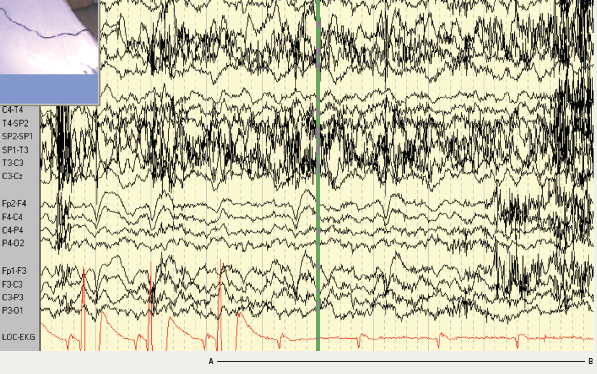
Magnetic resonance imaging (MRI) of the brain showed an area of high signal in the left posterior parietal lobe, which was felt to represent either a low grade glioma or an area of cortical dysplasia. The patient was admitted to the monitoring unit for video-EEG–ECG telemetry as part of the work up for epilepsy surgery (figure 1). At the time of admission, the patient was taking slow-release carbamazepine 400 mg twice daily, slow-release sodium valproate 1,000 mg twice daily and levetiracetam 1,500 mg twice daily. The patient had two seizures while being monitored, both complex partial seizures with electrographic onset from the left temporal region. One of the seizures was associated with ictal asystole. The heart rate at seizure onset was 60 beats per minute, slowing down to 55 beats per minute, followed by a 96 second period of asystole. The period of bradycardia and asystole was preceded by the epileptic seizure. The patient underwent cardiac pacing. No further seizures associated with falls have occurred.

Figure 1. Patient 1: electroencephalograph (EEG)–electrocardiogram (ECG) recording showing a period of asystole A–B

Patient 2

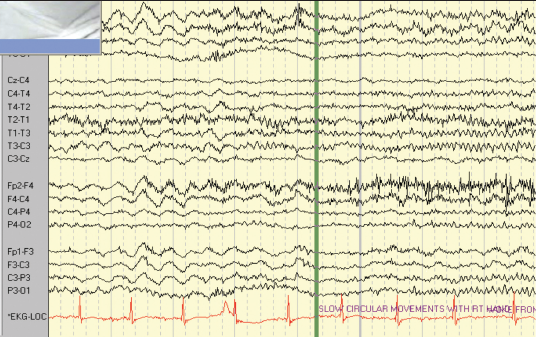
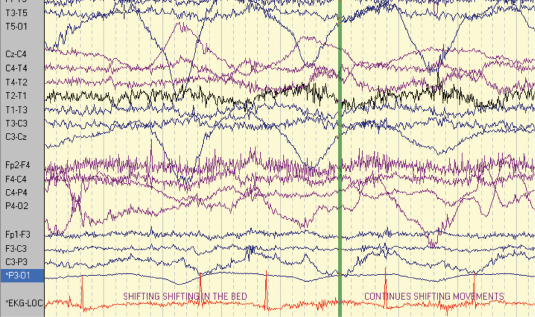
The second patient is a 47-year-old right-handed woman with seizure onset from the age of seven years. Her seizures were characterised by loss of awareness, associated with “fumbling” with her clothes. The seizures were occasional secondarily generalised. She sometimes experienced palpitations and felt she was “going insane”. Seizure frequency at the time of monitoring was two to three per week. She had a normal neurological examination. Her anti-epileptic medication included slow-release carbamazepine 400 mg twice daily and phenytoin 125 mg twice daily. The patient had previously had a vagal nerve stimulator inserted to try and reduce the seizure frequency, but it had little impact on her seizures. MRI showed a lesion in the right temporal lobe consistent with either a low grade glioma or a dysembryoplastic neuroepithelial tumour (DNET). The patient had video-EEG–ECG monitoring over an eight-day period and a total of six complex partial seizures and two auras were recorded (figures 2 and 3). The events were associated with bilateral automatisms, alteration of awareness and automatic wandering. Some events were associated with confused ictal speech. The patient did not exhibit loss of tone during any of the recorded seizures. The ictal EEG showed that the patient had multifocal epilepsy with seizures arising from both temporal lobes. Each of the complex partial seizures was associated with ictal asystole of 10 seconds duration on average. The patient had a cardiac pacemaker inserted.

Figure 2. Patient 2: EEG–ECG recording prior to seizure onset showing a normal heart rate
Figure 3. Patient 2: EEG–ECG recording after seizure onset showing ictal bradycardia

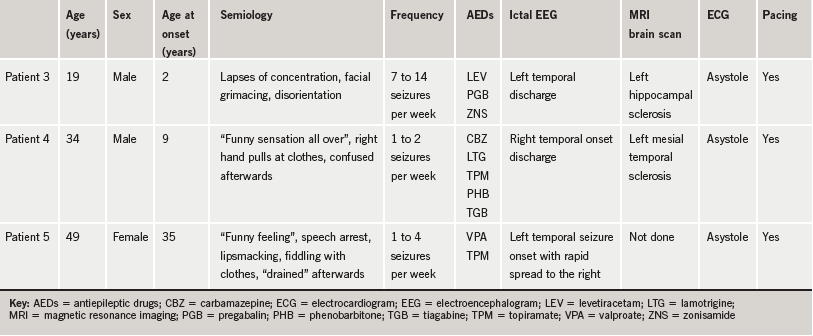
Three other patients who had asystole are tabulated below (table 1).

Table 1. Details of patients experiencing asystole

Discussion

The patients presented here underscore the importance of awareness of ictal bradycardia/asystole. An important distinction is to be made between ictal asystole and convulsive syncope. In ictal asystole, the primary event is the seizure. The epileptic discharge then leads to disruption of the normal cardiac rhythm resulting in slowing of the heart rate or asystole. Clinically this manifests as unexpected collapse or fall late in the course of a typical complex partial seizure. On the other hand, syncope is abrupt loss of consciousness due to a sudden drop in cerebral perfusion. The cause is often relatively benign vasovagal or neurocardiogenic syncope, which results from excessive vagal tone. Vasovagal syncope is usually associated with a precipitant such as standing or venepuncture. Syncope may, however, be caused by potentially fatal cardiac arrhythmias. In convulsive syncope, short-lived myoclonic jerks, tonic spasms, salivation or multifocal jerks may accompany syncope if recovery from cerebral hypoperfusion is delayed. This occurs usually if the head is held in an upright position. The term secondary anoxic seizure is sometimes used. It is not a true seizure and is not associated with epileptic EEG changes. Ictal asystole usually occurs in the context of refractory complex partial seizures while convulsive syncope usually occurs in individuals without epilepsy.6

In ictal asystole, there should be clear evidence of an initial seizure. It is important to differentiate between neurocardiogenic syncope and ictal asystole for two reasons; first, ictal asystole is potentially life threatening as it may be a significant risk factor for SUDEP.7,8 Cardiac pacemaker insertion is, therefore, advised in patients with documented ictal asystole and would be the practice of most epilepsy centres. On the other hand, patients with syncope, if inappropriately treated may be adversely affected by anti-epileptic medication, such as carbamazepine, which may prolong the QT interval and, thereby, potentially cause cardiac arrhythmias. Patients with intractable focal epilepsy are at a higher risk for ictal asystole, while generalised tonic-clonic seizures have been associated with an increased risk for SUDEP. Many of these tonic-clonic seizures have partial onset with subsequent secondary generalisation.9,10 The diagnostic yield of ictal asystole is increased by prolonged video-EEG–ECG monitoring.11 The scarcity of epilepsy monitoring facilities means that ictal asystole will probably remain under-recognised. A possible way of increasing the diagnostic yield of ictal asystole is the use of implantable loop recorders (ILR). The implantable loop recorder can provide continuous long-term ECG home monitoring, and is particularly useful for investigating patients with infrequent symptoms.12 Patients may be monitored for up to one year without the need for hospital admission. Patients with temporal lobe epilepsy who present with unexpected collapse, loss of tone or falls late in the course of a typical complex partial seizure are clinically in a high-risk category for ictal asystole as delayed loss of tone is uncommon in temporal lobe epilepsy.13

Intuitively, we postulate that early diagnosis and treatment of ictal asystole in patients with refractory epilepsy could prevent SUDEP. To achieve this, we recommend that patients with temporal lobe seizures who present with collapse or loss of tone late in the course of a complex partial seizure should either be admitted for video-EEG–ECG monitoring or referred to a cardiologist for an ILR.12 This will facilitate early diagnosis of ictal asystole and treatment by cardiac pacing. It is also apparent that there needs to be an increase in the number of epilepsy monitoring beds.

Conflict of interest

None declared.

Editors’ note
A review article looking at ‘Epilepsy and the heart’ by Drs F Rugg-Gunn and D Holright can be found on pages 233–9 of this issue.

References

1. Marshall DW, Westmoreland BF, Sharbrough FW. Ictal tachycardia during temporal lobe seizures. Mayo Clinic Proc 1983;58:443–6.

2. Blumhardt LD, Smith PE, Owen L. Electrocardiographic accompaniments of temporal lobe epileptic seizures. Lancet 1986;1:1051–6.

3. Smith PE, Howell SJ, Owen L, Blumhardt LD. Profiles of instant heart rate during partial seizures. Electroencephalogr Clin Neurophysiol 1989;72:207–17.

4. Nei M, Ho RT, Sperling MR. EKG abnormalities during partial seizures in refractory epilepsy. Epilepsia 2000;41:542–8.

5. Oppenheimer SM, Cechetto DF, Hachinski VC. Cerebrogenic cardiac arrhythmias: cerebral electrocardiographic influences and their role in sudden death. Arch Neurol 1990;47:513–19.

6. McKeon A, Vaughan C, Delanty N. Seizures versus syncope. Lancet Neurol 2006;5:171–80.

7. Bergen DC. In a heartbeat: autonomic changes during seizures. Epilepsy Curr 2005;5:194–6.

8. Hirsh LJ, Hauser WA. Can sudden unexplained death in epilepsy be prevented? Lancet 2004;364:2157–8.

9. Nashef L, Garner S, Sander JW, Fish DR, Shorvon SD. Circumstances of death in sudden death in epilepsy: interviews of bereaved relatives. J Neurol Neurosurg Psychiatry 1998;64:349–52.

10. Langan Y, Nashef L, Sander JW. Sudden unexpected death in epilepsy: a series of witnessed deaths. J Neurol Neurosurg Psychiatry 2000;68:211–13.

11. Britton JW, Ghearing RG, Benarroch EE, Cascino GD. The ictal bradycardia syndrome: localisation and lateralisation. Epilepsia 2006;47:737–44.

12. Rugg-Gunn FJ, Simister RJ, Squirrell M, Holdright DR,
Duncan JS. Cardiac arrhythmia
in focal epilepsy: a prospective long term study. Lancet 2004;364:2212–19.

13. Schuele SU, Alexopoulos AV, Locatelli ER, Dinner DS. Video-electrographic and clinical features in patients with ictal asystole. Neurology 2007;69:434–41.

In Brief

Br J Cardiol 2010;17:209 Leave a comment
Click any image to enlarge
Authors:

News in brief from the world of cardiology.

New NT-proBNP test

Roche Diagnostics has announced the launch of a new NT-proBNP+ test, which it says can give a result in under 15 minutes when tested on its cobas h232 near-patient testing meter. In addition, the test has an extended measuring range (60 – 9000pg/ml).

The test can serve as an aid in the diagnosis of suspected heart failure, in the monitoring of compensated left ventricular dysfunction and in the risk stratification of patients with acute coronary symptoms. Recent recommendations of a consensus group (Br J Cardiol 2010;17:76-80) highlight the importance of B-type natriuretic peptide (NP) testing for heart failure.

NP testing can rule out heart failure in primary care and reduce the number of referrals for heart failure, which eases waiting lists for echocardiography. Admission and discharge testing can help identify high-risk patients and help with discharge planning and targeting resources.

EU approvals

Vernakalant (Brinavess®, MSD) has been granted marketing approval in the European Union (EU), Iceland and Norway, for the conversion of recent onset atrial fibrillation (AF) to sinus rhythm in adults. The new treatment has a unique mechanism of action from other AF medicines and is the first product in a new class of pharmacologic agents for cardioversion of AF to launch in the EU. Vernakalant acts preferentially in the atria. It is expected it will be launched in the EU later this year.

Pitivastatin has received European Union approval for reduction of total cholesterol and low-density lipoprotein cholesterol in adults with primary hypercholesterolaemia and mixed dyslipidaemia when response to diet and other non-pharmacological measures is inadequate. It differs from some other statins in that it is only minimally metabolised by the liver through the cytochrome P450 pathway.

Fitness to fly report

The British Cardiovascular Society has published guidelines on passengers’ fitness to fly. Over 200 million passengers fly through British airports each year and the BCS report gives evidence that there are very few heart conditions that mean that patients can’t fly safely. The e report includes a summary table of various specific heart conditions with advice on any necessary guidance or restrictions that should be considered for the passenger. The report is available at www.bcs.com.

Correspondence

Br J Cardiol 2010;17:219 Leave a comment
Click any image to enlarge

Correspondence from the world of cardiology

Safe combined intravenous opiate/benzodiazepine sedation for transoesophageal echocardiography

219-img-1Dear Sirs

The recent article by Manika et al.1 regarding sedation for transoesophageal echocardiography (TEE) recommends a national agreed strategy for TEE sedation that incorporates both an opiate and a benzodiazepine. The survey data presented show only 6% of the UK hospitals questioned the use of opioids in combination with midazolam, perhaps with good reason. Bailey et al.2 investigated the effects of midazolam and the opiate fentanyl in volunteers. When midazolam alone was used, no significant respiratory effects were seen. Fentanyl alone produced hypoxaemia (saturations <90%) in half of the subjects, but no apnoea. The combination of drugs, however, produced hypoxaemia in 92% and apnoea in 50%. These authors noted that at the time of publication, 78% of deaths associated with midazolam were respiratory in nature, and 57% involved opiate co-administration. They concluded that the combination should only be used if persons skilled in airway management are present.

The Royal College of Anaesthetists working party specifically state: “Combinations of drugs, especially sedatives and opioids, should be employed with particular caution…there may be potentially dangerous synergistic effects when they (opioids) are used in combination with sedatives”.3 The National Patient Safety Agency comment: “Adverse events occur more commonly when drug combinations are used, for example, midazolam with pethidine or other opioid drugs. Such drugs, used in combination, have synergistic effects and, as a result, narrower margins of safety. The use of multiple drugs during conscious sedation presents additional training requirements”.4

If combination sedation is to be undertaken, then specific recommendations exist. Importantly, the opiate should be given first, with the full effect observed before proceeding.3,5 The midazolam dose should be adjusted (downwards) when combined with opiate.4 The author’s current protocol dictates the administration of midazolam and/or pethidine, with periodic reassessment and repeated administration as necessary. This implies that the drugs may be co-administered at each time point, and that midazolam may be followed by pethidine. If so, this would be against current expert guidance.

At a time when many units run successful TEE lists without any routine sedation, to recommend a national strategy of combination sedation for TEE may not be justified. Whilst combination sedation may improve tolerability of the procedure, the clear and significant additional risks may not justify this approach. Other strategies to improve tolerability whilst reducing the use of sedative agents, for example with ondansetron,6 may be preferable.

Yours faithfully

R Bruce Irwin ([email protected])
SpR Cardiology
Northwest Heart Centre,
Wythenshawe Hospital,
University Hospitals of South Manchester, Manchester.

Dear Sirs,

We read with interest the recent article by Mankia et al.1 and cannot help but agree with the accompanying editorial by McCormack7 that the quoted complication rate of 6/151 requiring resuscitation with intravenous fluids and 2/151 requiring benzodiazepine reversal with flumazanil as concerningly high for a proposed ‘safe’ protocol.

At our centre we make considerable effort to reassure and calm the patient prior to sedation and then use a simple technique of lidocaine (Xylocaine®) local anaesthetic throat spray followed by 2.5 mg intravenous midazolam – reduced to 1.25 mg at the operator’s discretion in elderly patients. After a short period of observation we then intubate in a gentle and controlled manner allowing the patient to guide the pace at which the probe is swallowed.  Very occasionally an additional dose of up to 2.5 mg of midazolam is required for anxious patients. We perform the procedure with the patient in the left lateral position with the echo machine behind the patient so the operator can see both the screen and patient at all times. We provide the patient with 2 litres/minute of oxygen via nasal cannula and undertake continuous ECG monitoring. Using this technique, our patients can be monitored closely and because of the low sedative dose many of our patients remain conscious and rousable and sometimes awake throughout the procedure. We find we are able to explain the findings to the patient immediately after the procedure with generally high levels of information retention. This may not be possible if higher sedative doses were used.

We do not use any opiate analgesia. Although Mankia et al. rightly state that benzodiazapines lack an analgesic effect, we do provide anaesthetic throat spray and there is no evidence presented by Mankia et al. to show that the addition of an opiate produces a better clinical outcome. As they also use a throat spray, the issue, raised by McCormack, regarding suppression of the gag reflex in a sedated patient is not avoided.

Using this technique we have performed 132 procedures over the last two years without the need for use of either intravenous fluids or flumazanil. Despite this, we have only failed to intubate two patients, one of whom was successfully intubated at a second attempt a week later using the same technique, requiring only our standard midazolam dose.  The second patient did not have a further attempt at TOE as it was no longer felt to be clinically necessary. Interestingly, the intubation failure rate from the John Radcliffe group is not quoted by Mankia et al.

The mantra we should all be aiming for is to deliver a dose of sedation that is ‘As Low As Reasonably Practical (ALARP)’. Good patient communication can dramatically reduce anxiety levels allowing lower doses of benzodiazapines to be used. This, in turn, allows intubation to be performed with the cooperation of the patient, obviating the need for opiates. Success rates from this approach are high and complication rates are minimal and the low doses used and avoidance of long-acting agents, such as pethidine, allow the patient to be safely discharged shortly after the procedure having had an explanation of the results. Whilst a nationally agreed guideline is a laudable aim, the suggested protocol does not seem to provide the answer we are looking for.

Yours faithfully

Gareth Wynn ([email protected])
Cardiology ST4

John Somauroo
Consultant Cardiologist

Countess of Chester Hospital,
Liverpool Road, Chester, CH2 1UL.

Dear Sirs,

Mankia et al.1 are to be congratulated for introducing a sedation protocol for transoesophageal echocardiography (TEE) in their institution1.  They also call for a national strategy for TEE sedation that incorporates both an opiate and benzodiazepine.  This call for a national guidelines for TEE is echoed in the accompanying editorial by McCormack,7 who rightly points out that TEE is similar to upper GI endoscopy, and that the British Society of Gastroenterologists (BSG) have published a great deal of guidance for its members; initially in 1991,  the latest iteration relating to the elderly in 2006.8 It has been a source of amazement to those responsible for sedation by non-anaesthetists in individual Trusts, as a result of the Academy of Medical Royal Colleges (AoMRC) report published in 2001,9 that whilst the specialist societies, or Colleges of all of the other specialty groups who carry out sedation, chest physicians, radiologists, gastroenterologists, and ophthalmic surgeons have produced guidelines for their members, this is not the case for cardiologists.  It is time they caught up.

Having said that, we are surprised at the protocol devised by the Oxford group.  As McCormack points out, the suggested maxima for doses of midazolam and pethidine are inordinately high.  We are also surprised that pethidine was chosen as the opioid of choice, as it is relatively long acting, and not particularly efficacious.  Perhaps this was because it was often used by gastroenterologists in the past in the belief it relaxed the sphincter of Oddi.  Practice is changing, and in the BSG’s latest survey of endoscopic retrograde cholangiopancreatography (ERCP) practice, pethidine was used in only 56% of units in England.  Moreover, both the BSG and AoMRC guidance state that if an opioid is to be used that this should be administered first and allowed to take effect prior to administration of a benzodiazepine.

Finally, a comment about risk. There is a plethora of papers, such as by Mankia et al., in which small groups of patients are subjected to sedation techniques ‘successfully’.  The ‘rule of three’ demonstrates that this technique, described in 151 patients, allows us to say with 95% certainty only that the absolute mortality of the technique = 3/151, i.e. less than or equal to 1 in 5010,11.   Clearly, therefore, this small study demonstrates nothing clinically, but rightly highlights the desperate need that cardiologists have for national guidance on sedation in their practice from the British Cardiovascular Society and the British Society of Echocardiography.

Yours faithfully

David N Hunter ([email protected])
Consultant Anaesthetist & Intensivist, and Director of ‘Safer Sedation Course’

Jonathan Lyne ([email protected])
EP Fellow
Royal Brompton Hospital, Sydney Street, London, SW3 6NP.

The authors reply

We read with interest the responses to our article1 and are pleased that there is a general consensus about the need for guideline-led transoesophageal  echocardiography (TEE) sedation practice. The responses also demonstrate some centres are leading the way in providing such an approach. Nevertheless, a major aim of our study was to investigate current sedation practice for TEE over the whole of the UK and the results suggest these responses are not entirely representative of wider practice.

Our protocol was offered as an example of a local solution and the responses offer some important modifications that would allow progress towards more widely applicable guidance. As the median total midazolam dose administered in our cohort was 2 mg – which also reflects the doses used by Wynn and Somauroo – our upper limit of a potential maximum dose of 10 mg midazolam and 75 mg pethidine could quite reasonably be modified. Consistent with the suggestion of Hunter and Lyne, a lower maximum dose of 5 mg midazolam and 50 mg pethidine, as advised by the British Society of Gastroenterology (BSG) for endoscopy,12 might be appropriate. We also acknowledge that provision of an initial dose of opiod without further titration would bring it closer in line with other guidelines. Furthermore, there is varied opinion on the opiod of choice, such that fentanyl may be more acceptable in some centres. Wynn and Somauroo make a vital point regarding the importance of patient reassurance and we agree that there may be value in explicitly stating this within a guideline.

We would suggest Irwin may be being overly cautious in arguing against the combination of opiod and benzodiazepine. The combination is used successfully in many other procedures and its analgesic effect helps simplify intubation and improves the patient’s experience. Our decision to continue use of this combination was, in part, guided by a patient experience survey that we performed as part of the study. This demonstrated a significantly higher patient satisfaction score in those who had also received pethidine. We acknowledge that several patients required benzodiazepine reversal with flumazenil during the period of data collection. The rate of reversal agent and IV fluid use within our unit has been markedly lower since the initial guideline introduction phase and the protocol has been successfully used in well over 500 TEEs. Therefore, we think this may reflect practice during adoption of new guidelines by operators who were not yet fully familiar with the protocol.

We thank the authors for the responses and hope, in combination with our article, these prompt a wider discussion about the importance of TEE-specific sedation guidelines.

Kulveer Mankia
Research Fellow

Paul Leeson ([email protected])
Consultant Cardiologist

Nuffield Department of Anaesthesia, John Radcliffe Hospital,
Oxford, OX3 9DU.

References

1. Manika K, Navickas R, Nicol ED, Bull S, Khan J et al. Safe combined intravenous opiate/ benzodiazepine sedation for transoesophageal echocardiography. Br J Cardiol 2010;17:125-7.

2. Bailey PL, Pace NL, Ashburn MA, Moll JW, East KA, Stanley TH. Frequent hypoxemia and apnea after sedation with midazolam and fentanyl. Anesthesiology 1990;73:826–30.

3. Implementing and ensuring safe sedation practice for healthcare procedures in adults. Report of an intercollegiate working party chaired by the Royal College of Anaesthetists 2002. Available at www.rcoa.ac.uk/docs/safesedationpractice.pdf

4. National Patient Safety Agency. Reducing the risk of overdose with midazolam injection in adults. Rapid response report NPSA/2008/RRR0111. London: NPSA, 9 Dec 2009.

5. Safety and Sedation During Endoscopic Procedures. Guideline published by the British Society of Gastroenterology, September 2003. Available at http://www.bsg.org.uk/clinical-guidelines/endoscopy/guidelines-on-safety-and-sedation-during-endoscopic-procedures.html

6. Aydin A, Yilmazer MS, Gurol T, Celik O, Dagdeviren B. Ondansetron administration before transoesophageal echocardiography reduces the need for sedation and improves patient comfort during the procedure. Eur J Echocardiogr 2010 May 15. [Epub ahead of print]

7. McCormack T. Should the BSE collaborate with the BSG on intravenous sedation? Br J Cardiol 2010;17:103.

8.http://www.bsg.org.uk/images/stories/docs/clinical/guidelines/endoscopy/sedation_elderly.pdf (last accessed June 9, 2010)

9. http://www.rcoa.ac.uk/docs/safesedationpractice.pdf (last accessed June 9, 2010)

10. Ho AM, Chung DC, Joynt GM.  Estimating the risk of a rare adverse event that has not (yet) occurred.  Chest 2000;117:551-5.

11. Eypasch E, Lefering R, Kum CK, Troidl H. Probability of adverse events that have not yet occurred: a statistical reminder. BMJ 1995;311:619-20.

12. The British Society of Gastroenterology. Safety and sedation during endoscopic procedures. London: BSG, 2003. Available from : http://www.bsg.org.uk/clinical-guidelines/endoscopy/guidelines-on-safety-and-sedation-during-endoscopic-procedures.htm

Lasers vaporised from NICE guideline recommendations for refractory angina 

Br J Cardiol 2010;17:159-60 Leave a comment
Click any image to enlarge
Authors:

As from May 2009 the National Institute for Health and Clinical Excellence (NICE) have removed transmyocardial laser revascularisation (TMLR) from the list of treatments for refractory angina.1 From their analysis of efficacy they found no evidence of improved myocardial perfusion, ejection fraction or prognosis. There was also no evidence for improvement in exercise tolerance or Canadian Cardiovascular Society (CCS) class when compared with other treatments. Furthermore, looking at the data on safety, randomised controlled trials showed evidence of increased myocardial infarction in the TMLR-treated patient group, as well as evidence of left ventricular perforation. 

There have been reservations regarding this technique for many years and it would seem to be a valid decision on behalf of the specialist advisers. It seems appropriate, therefore, to look at how to best treat this complex group of patients. 

Recommendations

Members of the Canadian Cardiovascular Society have recently issued a position statement on refractory angina (RFA).2 They have produced three recommendations:

  1. Collect accurate data on the incidence and prevalence of RFA in Canada
  2. To have a clear definition of RFA that reflects recent advancements in pain neuropathophysiology
  3. To have joint CCS and Canadian Pain Society (CPS) guidelines.

The group are awaiting the results of a publicly funded study looking at the prevalence of angina six months after percutaneous coronary intervention (PCI). They are also hoping to establish a registry as part of a joint project with the CCS and CPS.

In order to expand on Mannheimer’s widely quoted definition of RFA,3 the authors suggest broadening it to take into account the neurological response to pain similar to that of chronic tissue injury. Angina is a complex somatic response that does not reliably reflect the amount of myocardial ischaemia and, even more confusing, a lot of ischaemia can be silent. To this end the authors suggest adding to the definition “…while the presence of reversible ischaemia must be clinically established to be the root cause, the pain experienced may arise or persist with or without this ischaemia.” Being aware of this must assist healthcare professionals and patients in a better understanding of RFA, and it should also help prevent some inappropriate attempts at revascularisation or increasing anti-anginal medication.

Collaboration

The close collaboration of cardiologists and pain management specialists is an excellent idea and hopefully it will in some way be reflected in the NICE review on stable angina soon to be undertaken.

As we have discussed previously, patients with RFA benefit from coming to a centre specialising in the condition.4 The multi-disciplinary team should include a cardiologist, pain management specialist, cardiac surgeon and interventionalist, specialist nurse and psychologist.

Each case should be reviewed, and consideration given to the possibility that a new lesion is responsible for the symptomatology. Often myocardial perfusion imaging, stress echocardiography or magnetic resonance imaging can be useful in identifying patients who will benefit from intervention. If PCI is recommended for a complex lesion or chronic total occlusion, this should be undertaken by an experienced interventionalist. Coronary artery bypass grafting (CABG) and redo surgery is sometimes a possibility, although patients need to be fully aware of the risks and understand that often the procedure will not affect prognosis, but may relieve symptoms.

Medical therapy

Medical therapy is of course the mainstay of treatment for angina and should not be looked on as the last of all the options. Trials such as Clinical Outcomes Utilising Revascularisation and Aggressive Drug Evaluation (COURAGE) and Synergy between Percutaneous Coronary Intervention with Taxus and Cardiac Surgery (SYNTAX) have helped us understand that medical therapy is a safe, and often preferable option. Heart rate control is important for reducing myocardial oxygen demand and this can be achieved with beta blockade, ivabradine or a non-dihydropyridine calcium channel blocker. Combination of these therapies is possible with careful monitoring of heart rate and symptomatology. The recently introduced ranolazine can also be considered.5 This has been shown in trials to be safe and effective in treating refractory angina, and can be given in combination with other anti-anginal medications. It inhibits the late sodium current resulting in myocardial relaxation and reduces diastolic stiffness.

Pain management also has an important role in controlling symptoms. Patients with chronic pain, such as angina, can develop hypervigilance or an increased sensitivity to pain. The trigger of even a small area of myocardial ischaemia can evoke an exaggerated pain response often lasting one or two hours. Not only is this extremely debilitating for the patient, but there is the additional fear that it could herald a myocardial infarction, and often involves high-speed trips to hospital only to be discharged the next day with very little in the way of treatment or explanation. Pain medicine aims at amelioration of this neurological response and medication, such as tricyclic antidepressants or anti-epileptics, e.g. pregablin, can be effective. Opioids also have a role to play and can help certain patients return to daily activities.

Transcutaneous electrical nerve stimulation (TENS) is effective in relieving angina. It works by inhibiting painful stimuli to the brain. It is simple to use, but some patients find them inconvenient to wear, in which case a spinal cord stimulator is an effective alternative involving an internal spinal lead and generator. It is, however, more expensive and requires a day-case admission to have a temporary trial device fitted, followed by a further admission to implant the permanent system. Trials have shown them to be effective in relieving angina, but it would seem from recent experience that Primary Care Trusts remain to be convinced. Again it is hoped that this will be clarified in the updated NICE guidelines. Important contraindications to electrical nerve stimulation are pacemakers and other implanted cardiac devices.

Psychological factors

Finally, but very importantly, the patients need psychological care. Healthcare professionals need to be aware of signs for anxiety and depression, social isolation, fear of mortality, misinformation and many other attendant effects of RFA. We need to be prepared to refer to the appropriate agencies or specialist hospitals. It is a mistake to think of this group of patients as ‘end-stage’. They mostly have moderate-to-good left ventricular function and are, therefore, in a favourable prognostic group; sadly, many are unaware of this fact and live in fear. They need to be offered a comprehensive package of care including opportunities to join a cardiac rehabilitation group or home-based exercise and relaxation. It is often the case that they will have collected maladaptive beliefs about what the pain signifies and these thoughts are often more disabling than the actual pain. By addressing misconceptions about their symptoms, their quality of life can be markedly enhanced. This can often be achieved with a home-care package such as the Angina Plan,6 and the guidance and support of a trained nurse.

The aim of treating these patients is to ameliorate the symptoms, with one or many of the strategies mentioned, such that the quality of life is enhanced, enabling the patient to live a more fulfilled life.

Conflict of interest

None declared.

References

1. Department of Health, Social Services and Public Safety. Interventional procedure programme guideline. Available from: www.dhsspsni.gov.uk/hsc_26-09_ipg302.pdf

2. McGillion M, L’Allier P, Arthur H. Recommendations for advancing the care of Canadians living with refractory angina pectoris. Can J Cardiol 2009;25:399–401.

3. Mannheimer C, Camici P, Chester M et al. The problem of chronic refractory angina. Eur Heart J 2002;23:355–70.

4. Wright C, Towlerton G, Fox K. Optimal treatment for complex coronary disease and refractory angina. Br J Cardiol 2006;13:306–08.

5. Chaitman BR, Pepine CJ, Parker JO et al. Combination assessment of ranolazine in stable angina (CARISA): effects of ranolazine with atenolol, amlodipine, or diltiazem on exercise tolerance and angina frequency in patients with severe chronic angina. JAMA 2004;291:309–16.

6. The Angina Plan. Available from: www.anginaplan.org.uk

Mortality and catheter ablation of atrial fibrillation

Br J Cardiol 2010;17:161-2 Leave a comment
Click any image to enlarge
Authors:

The prevalence of atrial fibrillation (AF) in the UK alone is estimated to be 1% of the population (approximately 610,000) and rises with age from 1.5% in people in their 60s to more than 10% in those over 90 years old. It is also more common in males than females. Because prevalence increases with age, it is expected to increase over time as the proportion of people aged 65 and over is projected to increase from 16% of the UK population in 2006 to 22% by 2030.1 AF is the most common supraventricular arrhythmia; it is predicted that catheter ablation (CA) as a management strategy will be one of the most commonly performed electrophysiological procedures in the next decade.

Over recent years data have accumulated suggesting that sinus rhythm (SR) is associated with increased survival.2 Whether this association of SR with improved survival is actually a causal relationship is yet to be proven. CA has proven to be an effective curative treatment particularly when used for paroxysmal AF.3 

The risks of catheter ablation

161-img-1The aim of CA, essentially, is to manipulate catheters around the left atrium and cauterise the sources of AF without causing unnecessary damage, a skill that is technically challenging. This requires aggressive anticoagulation, and can be a time-consuming procedure.

Long-term arrhythmia control or cure rates are quoted in excess of 80%, with data from single large-volume centres reporting low complication rates. Whether experience and high volume are associated with a reduction in complication rates is not proven.

Cappato et al.4 recently reported an analysis of a retrospective case series looking at the incidence and cause of peri-procedural death occurring in patients undergoing CA of AF between 1995 and 2006. Out of 546 identified centres worldwide, 262 reported data on safety. A total of 32,569 patients underwent 45,115 procedures with 32 deaths reported (0.98 per 1,000 patients) – 13 of which were intra-operative deaths, another 12 patients died within a month of the index procedure and seven patients after excess of a month. Tamponade was the most common complication but was rarely associated with permanent disability or death.

The authors themselves list the limitations of the study:

  • Volunteer-based retrospective analyses may underestimate true prevalence and under report complication rates.
  • They omit details regarding the questionnaire structure.
  • Relevant medical data surrounding the fatalities, e.g. identifiable precipitants or predictors related to basal clinical status, as well as the type and duration of AF ablated and its relation to morbidity and mortality in the study, are lacking.
  • Although it would prove most useful, the authors were unable to make a comparison with their initial survey to determine whether the risks of AF ablation had changed over time.5 The initial survey sample was considerably smaller and included patients with currently outdated ablation strategies.

Mortality was not decreased in relation to centre experience and volume (35% of centres included in the survey performed less than 20 procedures per year). It may be that this was attributable to the small number of deaths or under reporting.

Mortality was independent of catheter types used, i.e. 4 mm tip catheter versus irrigated tip catheter, and the success rates or complication rates of the centres reporting deaths.

These data highlight that, although rare, deaths are associated with AF ablation procedures and operators should be formally trained to complete all aspects of the procedure, including trans-septal puncture, and be capable of emergency pericardial aspiration. The need for surgical cover for these procedures remains controversial, although anecdotal evidence suggests that, rarely, patients’ lives are saved by early surgical intervention for cardiac perforation.

In data from our own centre at St Bartholomew’s Hospital in London, we report data of 285 patients undergoing wide area circumferential ablation (WACA) (530 procedures) in a prospective database of consecutive cases initiated in 2002 through 2007. No deaths directly resulting from the procedure were reported; the authors concluding that catheter ablation of AF is safe with no late adverse sequelae. In addition, they comment on its efficacy for relief of symptoms and that cure from AF in the majority, for paroxysmal and persistent AF was achieved, with late recurrence being uncommon.6 We have, however, as with the worldwide trend, experienced an exponential increase in the number of AF ablations performed, and, subsequent to the collection of data for this audit, reported three peri-procedural deaths. One of these was intra-operatively in an elderly female related to cardiac perforation, tamponade and retroperitoneal haematoma, the other in a patient sustaining a cerebellar infarct who, thereafter, developed a myocardial infarction secondary to late stent thrombosis on the evening post-ablation, and lastly a man with longstanding ischaemic heart disease who sustained a myocardial infarction six weeks after his procedure.

Though appearing intuitive and predictable that ablation to SR should be associated with a reduction in mortality, it is pertinent to remember that those who have theoretically the most to benefit, e.g. patients in persistent AF or with associated left ventricular dysfunction and heart failure, are the very patients at highest risk for an ablation procedure.

Does catheter ablation reduce morbidity?

There is unquestionably both morbidity and mortality associated with AF ablation as there is with AF itself. Ongoing randomised trials will conclusively answer whether this is offset by mortality/morbidity benefits associated with attaining and maintaining SR. Catheter Ablation Versus Anti-arrhythmic Drug Therapy for Atrial Fibrillation (CABANA), a phase III pilot trial is designed to test the hypothesis that the treatment strategy of percutaneous left atrial CA for the purpose of the elimination of AF is superior to current state-of-the-art therapy with either rate-control or anti-arrhythmic drugs for reducing total mortality (primary end point), and decreasing the composite end point of total mortality, disabling stroke, serious bleeding and cardiac arrest (secondary end point) in patients with untreated or incompletely treated AF warranting therapy.

Therefore, based on the available evidence CA of AF cannot be considered prognostically beneficial and cannot be advocated for minimally or asymptomatic individuals.

Conflict of interest

RJS is a member of the Scientific Advisory Board for Biosense Webster and on the speakers’ bureau for Endocardial Solutions, from whom he has also received speakers’ honoraria. RJS and RG have received travel grants from Guidant, Medtronic, St Jude Medical, Endocardial Solutions and Biosense Webster.

References

1. Department of Health. National Service Framework for Coronary Heart Disease. Chapter 8: arrhythmias and SCD. London: DoH, March 2005.

2. Nademanee K, Schwab MC, Kosar EM et al. Clinical outcomes of catheter substrate ablation for high-risk patients with atrial fibrillation. J Am Coll Cardiol 2008;51:843–9.

3. Pappone C, Rosanio S, Augello G et al. Mortality, morbidity and quality of life after circumferential pulmonary vein ablation for atrial fibrillation: outcomes from a controlled non-randomized long-term study. J Am Coll Cardiol 2003;42:185–97.

4. Cappato R, Calkins H, Chen SA et al. Prevalences and causes of fatal outcome in catheter ablation of atrial fibrillation. J Am Coll Cardiol 2009;19:1798–802.

5. Cappato R, Calkins H, Chen SA et al. Worldwide survey on the methods, efficacy, and safety of catheter ablation for human atrial fibrillation. Circulation 2005;111:1100–05.

6. Hunter RJ, Berriman TJ, Diab l et al. Long-term efficacy of catheter ablation for atrial fibrillation: impact of additional targeting of fractionated electrograms. Heart 2010 online.

Report from the 20th Scientific Meeting of the European Society of Hypertension, Oslo, Norway

Br J Cardiol 2010;17:168-170 Leave a comment
Click any image to enlarge

Renal denervation (RDN) revisited

A novel, catheter-based technique is looking promising for the treatment of refractory hypertension. Renal sympathetic hyperactivity is associated with the development of hypertension and its progression, as well as chronic kidney disease (CKD) and heart failure. While sympathectomy procedures have been considered over the past 50 or more years, it is now possible, using a steerable femoral 6F catheter with an RF energy electrode tip, to deliver a series of 2 minute ablations to the renal artery, causing renal denervation (RDN) and blood pressure reduction.

168-img-1An initial proof of principle study was reported in The Lancet (Krum H et al. Lancet 2009;373:1275–81) by Dr Henry Krum (Monash University, Melbourne, Australia) and co-investigators who, using the newly developed Symplicity® catheter system, performed RDN in 45 patients with resistant hypertension (systolic blood pressure [SBP] ≥160 mmHg on three antihypertensive agents); the procedure lasting a median of 38 minutes. The primary end points were office blood pressure (BP) and safety data at one, three, six, nine and 12 months, and patient’s renal angiography and magnetic resonance angiography during follow-up. BP was significantly reduced by, -14/-10, -21/-10, -22/-11, -24/-11 and -27/-17 mmHg at these pre-specified time points compared with five non-treated patients who had elevations in BP. Renal function (estimated glomerular filtration rate [GFR] and creatinine) was sustained and there were no renovascular complications. One intraprocedural renal artery dissection occurred before the ablation without sequelae.

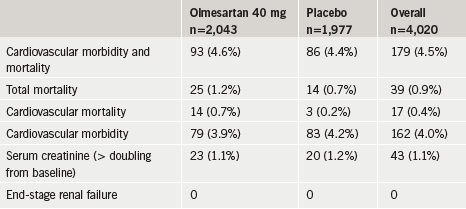

The same team reported the two-year ‘durability’ of BP reduction among the cohort after RDN, during the ESH Congress. In all, 117 patients were treated at 17 centres. BPs were reduced by -20/-11, -24/-10, -24/-12, -25/-12, -29/-17 and -33/-14 mmHg at, one, three, six, 12, 18 and 24 months respectively. One patient required renal artery stenting for a lesion present at baseline, otherwise there were no adverse late events. Catheter-based RDN therefore appears to produce substantial reduction in BP sustained to at least two years and changes in eGFR “are better than the natural history reported in similar patients” say the authors. UK workers, notably at Barts & the London Hospital, are involved in further assessment of RDN as a treatment for resistant hypertension.

ROADMAP: olmesartan delays progression to microalbuminuria in type 2 diabetes

Can the presence of microalbuminuria act as a sensitive surrogate end point to identify early stages of preventable disease? This was the question posed by the ROADMAP study, which was presented at the meeting.

Explaining the rationale for the trial, the study’s lead investigator Dr Hermann Haller (Hannover Medical School, Hannover, Germany) said: “We are treating our patients too late and every diagnostic criteria we have to be able to treat early is important”. He called microalbuminuria an early window into a person’s vasculature: “Microalbuminuria is very strongly associated with future cardiovascular events and it is relatively easy to measure,” he added, saying he thought that of all the measurements for organ damage, microalbuminuria should, at the moment, be “number one”.

ROADMAP (Randomised Olmesartan and Diabetes Microalbuminuria Prevention) was set up to determine whether the angiotensin receptor blocker (ARB), olmesartan, could delay the onset of microalbuminuria in normoalbuminuric patients with type 2 diabetes and at least one additional cardiovascular risk factor, who had not received an ACE inhibitor or an ARB within the last six months.

The double-blind, randomised, controlled study was carried out in 262 centres in 19 European countries. Some 4,447 patients (mean age 57.7 +/- 8.72 years, mean systolic blood pressure 136 +/- 15 mmHg, mean diastolic blood pressure 81 +/- 10 mmHg) with type 2 diabetes (mean duration 6.1 +/- 6.0 years, BMI 31.0 +/- 14.91 kg/m2, HbA1c 7.65 +/- 1.62%) were randomised to either treatment with olmesartan 40 mg (n = 2,232) or placebo (n=2,215).

To reach the target blood pressure of < 130/80 mmHg, other antihypertensive agents were used with the exception of drugs affecting the renin-angiotensin- system. Follow-up was for 3.2 years and urinary albumin to creatinine ratio (UACR) was determined every six months. The primary end point was time to onset of microalbuminuria and secondary end points were cardiovascular and renal morbidity and mortality.

Results showed that patients in the olmesartan group had a significant 23% risk reduction (p= 0.01) in time to onset of microalbuminuria, the study’s primary end point (table 1). Blood pressure was very well controlled in the study with more than 75% of all patients achieving the blood pressure target of < 130/80 mmHg.

Table 1. ROADMAP: primary end point result

Safety

Results for secondary end points in the hypertensive sub population are summarised in table 2. Although results for the secondary end points were similar between the two groups, there was an increase in the numbers of cardiovascular deaths in the olmesartan group compared to the placebo group. This was also seen in the total study population where there were 15 cardiovascular deaths in the olmesartan group compared to three in the placebo group. Dr Haller maintained these numbers were low and not a cause for concern. He said analysis of the data had shown the higher cardiovascular mortality occurred only in those patients with existing cardiovascular disease and a low systolic blood pressure (i.e. < 120/mmHg). “This fits very nicely with the recommendations of the European guidelines that target blood pressure in patients with cardiovascular disease should be between systolic 130 and 140 mmHg,” he said.

He added that predictors for a better response to treatment with olmesartan were those with a higher baseline systolic blood pressure (>135 mmHg), a high UACR (> 4 mg/g), a low HbA1c (< 7.3%) and a low estimated glomerular filtration rate of 83.79. The majority of the effect on microalbuminuria appeared to be blood pressure independent.

Table 2. ROADMAP: secondary end point in the hypertensive subpopulation

Atrial fibrillation and hypertension

“Hypertension is the most prevalent risk factor leading to the development of atrial fibrillation (AF), the most common arrhythmia,” according to Dr I Grundvold (University of Oslo, Norway). In the ATHENA study with dronederone, for example, 86% of patients had hypertension. It is assumed that this risk increases with increasing blood pressure (BP) levels, but it is not known at which level systolic BP imposes a risk for AF.

He presented data from 2,014 apparently healthy men aged 45–59 years who were included in the Oslo Ischemia Study, between 1972–75 and who were followed for 35 years. By this time some 272 men (14% of total) had a diagnosis of AF. The adjusted risk of developing AF was increased by 63% for study participants with baseline BP >128 mmHg (p=0.0003) compared to participants with systolic BP <128 mmHg. This, therefore, represented a “strong, independent long-term predictor of AF” according to these investigators.

Salt controversy, the spice of life

High blood pressure is “the biggest cause of death in the world… and we must do something about it”, said Professor Graham MacGregor (Wolfson Institute of Preventive Medicine, Barts & The London School of Medicine and Dentistry, London).

A well-known advocate for dietary salt restriction, he said that the problem is predominantly one of salt intake, 80% of which is “hidden” in foods. Less is now used for food preservation, with the exception of anchovies and smoked salmon. Salt is also used as a binding agent, to hold water in meat and thus increase its weight and sales price. Similarly, salt is used to make “inedible things edible” and it is, of course, a major driver of thirst, leading to increases in soft sugar-containing drinks, to which children become addicted, leading to weight gain.

The goals in Professor MacGregors view are to get the UK population blood pressure down and to treat those with high blood pressure. He believes the adverse effects of dietary salt are overwhelming and we need to halve our intake to 4 g a day. This is “the most efficient and cheapest thing you can do for public health” he said.

The pressure group, Consensus Action on Salt and Health (CASH; www.actiononsalt.org.uk) for which he is Chairman, has been very successful in influencing the UK Department of Health and the Food Standards Agency in changing policy, and gaining public advocacy and support to bring pressure to bear on the food industry to reduce added salt levels. It issues a press release every six weeks. “The public in the UK know that salt is dangerous but they don’t know what to do about it,” he said. He is pleased with progress and major food manufacturers in the UK have been gradually reducing salt in their products at a rate of about 10–20% per year without rejection or public outcry. He believes that a 6 g a day salt target will be reached in the UK in the next four years.

This is in harmony with the recently launched UK National Institute for Health and Clinical Excellence (NICE) public health guidance on prevention of cardiovascular disease which recommends reducing mean salt intakes by 3 g a day for adults (to achieve a target of 6 g a day) and which would, in the UK, lead to around 14–20,000 fewer annual cardiovascular deaths each year (see page 163).

Professor MacGregor, with help from World Health Organisation, is rolling his message out worldwide. (See review; He FJ, MacGregor GA. Reducing population salt intake worldwide; from evidence to implementation. Prog Cardiovasc Dis 2010;52:363–82.
[www.onlinepcd.com]).

Leg over and blood pressure

170-img-1Crossing your leg over may not be good for your blood pressure! A team from Radboud University Medical Centre, Nijmegen, The Netherlands, has shown, in a study of 25 subjects, that the mere act of crossing their ankle over their knee, in the sitting position, caused considerable haemodynamic changes. For example, compared to the ‘uncrossed position’, blood pressure rose +11.4/+3.8 mmHg, mean arterial pressure (MAP) rose 7.0 mmHg and heart rate by 1.7 beats per minute. There were also increases in cardiac output and stroke volume. The authors recommend that all those who measure blood pressure should be aware of these effects and patients advised to keep their feet on the floor during measurements. They also suggest that, “the position of the legs should be mentioned in all guidelines and publications regarding blood pressure”.

Hypertension trial round up

TALENT

It is important to achieve blood pressure control quickly. But is it more beneficial to start with combination antihypertensive therapy than to start with monotherapy and then add another drug, i.e. stepped care? This was the key question addressed in the TALENT study (a multicentre study evaluating Efficacy of Nifedipine GITS-Telmisartan Combination in blood pressure control and beyond:Comparison of two strategies).

The study recruited 405 high risk hypertensive patients in 40 centres in Spain and Italy. “The primary end point of TALENT, to assess 24-hour mean systolic blood pressure by ambulatory blood pressure monitoring (ABPM) after 16 weeks compared with baseline, was met,” according to Professor Luis Ruilope, Octuber Hospital, Madrid, Spain.

After eight weeks of treatment, the combination of nifedipine GITS 20 mg/telmisartan 80 mg reduced office blood pressure from a baseline of 153/90 mmHg to 138/83 mmHg, with a blood pressure-lowering effect evident at two weeks. The effect was achieved earlier than with monotherapy and the addition of another drug after eight weeks, leading Professor Ruilope to conclude that the message from this is: “don’t be afraid to use two drugs up front”.

ESPORT

Professor Gulianno Tocci (Rome, Italy) presented findings for a team of Italian and French investigators, looking at the efficacy and safety of olmesartan versus ramipril in 351 elderly hypertensive patients. The eight-week active treatment phase showed that olmesartan provided greater blood pressure normalisation compared to ramipril, and that this ARB should be considered a good first-line treatment in these patients. Similar findings were shown in the larger ESPORT study of 1,320 patients.

Commenting on the initial study, Professor Gordon McInnes (Glasgow) suggested that the findings may be explained by using ramipril as a comparator, which he believes is a less effective drug, which should be taken twice a day rather than once daily.

TEAMSTA

Professor M Volpe (Rome) presented the TEAMSTA study results. This looked at the combination of telmisartan 80 mg/amlodipine 10 mg versus their single components in over 800 patients with severe hypertension (blood pressure ≥180/95 mmHg). Again the combination was superior to monotherapies and 80% of the effect was seen early in the eight-week active treatment phase.

Antihypertensive combinations

In a review of which antihypertensive combination to use (ACE inhibitors or angiotensin receptor blockers with calcium channel blockers, when treating hypertension, Professor McInnes reminded delegates of the adage, “it’s the blood pressure, stupid” and he suggested we avoid “woolly thinking”.

Antihypertensives were probably much the same, he said, and what is most important is to use agents, which provide efficacious and sustained reduction of blood pressure.

In a discussion session, mention was made of a recent meta-analysis, which purported to show an increase in cancer in patients taking angiotensin receptor blockers. The view from Oslo was that this represented ‘junk science’ and looked selectively at data, out of context, and that it should be dismissed.

SHARE

Failure to reach blood pressure targets is often blamed on poor patient compliance with antihypertensive medication but it now seems that physician inertia must also be overcome.

Results from the SHARE (New Supporting Hypertension Awareness and Research Europe-wide) study showed that in a survey of 2,629 physicians in Europe, most (76%) felt the European Society of Hypertension guidelines blood pressure targets of 140/90 mmHg were ‘about right’. But the study highlighted the mean blood pressure that physicians became ‘concerned with’ was 149/92 mmHg and most physicians (78% and 61%, respectively) would not consider taking any action in general hypertensive patients until systolic and diastolic blood pressures were above 140 and 90 mmHg, respectively. Some (50%) would not take any action until blood pressure was higher than 168/100 mmHg.

The results also showed that physicians underestimate the number of challenging patients they treat. Challenging patients were defined as those not reaching a blood pressure goal of <140/90 mmHg – physicians estimated 34% of their patients were not at goal, while in reality, this number was 47%.

New NICE guidance on prevention of cardiovascular disease at the population level 

Br J Cardiol 2010;17:163-5 Leave a comment
Click any image to enlarge
Authors:

The National Institute for Health and Clinical Excellence (NICE) has published a new guidance on prevention of cardiovascular disease at the population level.

The guidance sets out a range of evidence-based recommendations for effective action to help reduce cardiovascular disease and make it easier to enable individuals to make healthy choices. It focuses mainly on food production and its influence on the nation’s diet, and it aims to change the cardiovascular risk factors faced by the UK population through regulation, legislation, subsidy and taxation or by rearranging the physical layout of communities.

Dr Simon Capewell (University of Liverpool, UK) who is also vice-chair of the NICE Guidance Development Group, said: “There was a feeling that dietary interventions have been largely neglected, yet have a big potential to deliver CVD benefits. The guidance shows how by introducing simple changes at the population level, huge gains could be made in reducing the death toll from cardiovascular disease. This is no longer an optional discussion, but an issue that governments and the rest of society have to confront.” He added: “The idea is to kick-start a debate, and persuade politicians to set both short-term and long-term goals for change”.

Key goals in the NICE document include:

Reducing mean salt intakes to achieve a target of 6 g per day per adult by 2015 and 3 g by 2025, which would lead to around
14–20,000 fewer annual deaths from cardiovascular disease each year.  Reducing salt added during the manufacturing process is considered especially important since this is estimated to represent 70 to 90% of the population’s total salt intake.

  • Reducing saturated fat intakes from 14% to 7% of energy intake (to reach the levels seen in Japan), which could prevent up to 30,000 cardiovascular deaths annually.
  • Banning the use of trans fats, which could save 4,500–7000 lives each year.
  • Restrictions on advertising for foods high in saturated fats, salt
    and sugar.
  • Making healthy food alternatives cheaper than junk food.
  • More extensive use of the traffic light food labelling systems, which indicates whether food or drink contains a high, medium or low level of salt, fat or sugar.
  • Giving local authorities powers to limit fast food outlets.
  • Ensuring young people under 16 are protected from all forms of marketing, advertising and promotions which encourage an unhealthy diet.
  • Ensure government funding supports physically active modes of travel.

The European Society of Cardiology says the new guidance “delivers important messages for the rest of Europe”. ESC spokesman Dr Lars Rydén (Karolinska Institute, Sweden) added: “This is an extremely strong document that clearly underlines how much can be gained from society by introducing legislative changes protecting the content of diets.”

The full NICE guidance can be found at: http://guidance.nice.org.uk/PH25